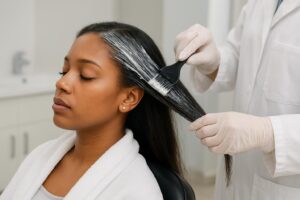
Toxicology plays a vital role in understanding the potential health risks associated with chemical relaxers used for hair straightening. You may be surprised to learn that recent studies have raised alarms about a possible connection between Hair Relaxers And Tumors. By delving into the findings from various toxicological research, you can gain insights into the ingredients that may pose risks to your health. This post will explore the evidence surrounding this controversial topic and what it means for your personal care choices.
Key Takeaways:
- Toxicological studies indicate a potential association between chemical relaxers and tumor development.
- Some studies show that specific ingredients in relaxers may disrupt endocrine function.
- Research highlights a disparity in cancer rates among women using chemical relaxers.
- Long-term exposure to toxic substances in relaxers raises concerns about cumulative health effects.
- Further research is necessary to establish definitive causal links and inform safety regulations.
Overview of Hair Relaxers
Definition and Purpose
Hair relaxers are chemical formulations designed to permanently straighten curly or wavy hair by breaking down the protein structure. These products typically contain strong alkaline agents, allowing you to achieve a smoother and more manageable hairstyle, often favored for its versatility and low-maintenance quality.
Historical Context of Hair Relaxers
The use of hair relaxers dates back to the early 20th century, primarily within African American communities. Initially developed as a means to conform to Eurocentric beauty standards, these products gained popularity as they offered a solution to the traditional challenges of styling natural hair textures.
In 1910, the first commercial hair relaxer was introduced, sparking widespread adoption. By the mid-20th century, celebrities and icons like Josephine Baker and Lena Horne showcased straightened hair, further fueling societal perceptions of beauty. Over the decades, formulations evolved, with brands marketing relaxers as vital tools for personal grooming. Despite shifts in beauty standards, relaxers retained a significant place in hairstyling habits, often being linked to empowerment and self-expression.
Popularity and Market Trends
The market for hair relaxers has remained strong, with millions of consumers choosing these products each year. Recent studies indicate that the hair care industry, including relaxers, is valued at billions globally, reflecting your ongoing desire for straightened hair options.
In recent years, however, there has been a noticeable shift. While traditional relaxers retain loyal users, many are now exploring alternative methods for hair management, such as natural and chemical-free treatments. This transition signifies changing attitudes toward hair texture and personal identity, with a growing emphasis on embracing natural beauty while still highlighting the complex relationship between cultural practices and modern trends.
Chemical Composition of Hair Relaxers
Key Ingredients and Their Functions
Your hair relaxers typically contain a mix of strong alkaline compounds, such as sodium hydroxide or calcium hydroxide, that break down the hair’s natural curl pattern. Other common ingredients include ammonium thioglycolate, which softens the hair structure, and conditioning agents that aim to mitigate damage caused by the chemical process. Each ingredient is carefully selected to achieve specific results in hair straightening.
Mechanism of Action on Hair Structure
The process of relaxing hair involves altering its structural components, primarily the protein keratin. When the relaxer is applied, it penetrates the hair shaft, disrupting the disulfide bonds that give hair its strength and shape. This chemical alteration allows hair to be reshaped temporarily into a straighter form.
During relaxation, the high pH of the alkaline ingredients disrupts the hydrogen and disulfide bonds within the hair. This action causes the hair fibers to swell, making them more pliable. Once the desired straightness is achieved through heat or combing, a neutralizing agent is often applied to restore some balance to the hair’s pH and help set the new shape. However, repeated applications can lead to significant structural damage, increased fragility, and potential health risks.
Potential Toxicity of Common Chemicals
Several chemicals found in hair relaxers raise serious concerns regarding their potential toxicity. Ingredients like formaldehyde and parabens have been linked to various health issues, including skin irritation and endocrine disruption. It’s crucial to recognize how these harmful substances can accumulate over time, posing a risk to your overall health.
Formaldehyde, used in some hair smoothing products, is classified as a human carcinogen and can cause both respiratory issues and skin reactions in sensitive individuals. Parabens, often included as preservatives, can mimic estrogen in the body, potentially disrupting hormonal balances. Awareness of these risks is critical, particularly for individuals using such products regularly, as exposure levels can build up, amplifying adverse health effects.
Understanding Toxicological Studies
Definition and Importance of Toxicological Studies
Toxicological studies are systematic investigations aimed at assessing the harmful effects of chemical substances on living organisms. They play a significant role in understanding the safety and potential risks associated with products you use, including hair relaxers. By evaluating the biological impact of these chemicals, toxicological studies establish crucial insights that guide regulatory actions and public health recommendations.
Types of Toxicological Assessments
There are several key types of toxicological assessments, each designed to evaluate different aspects of chemical exposure and toxicity. These studies include acute, subchronic, and chronic toxicity tests, which analyze immediate and long-term effects. Additional assessments like mutagenicity and carcinogenicity studies investigate genetic and cancer-causing potential. The results guide manufacturers in creating safer products.
- Acute toxicity – Immediate effects from short-term exposure
- Subchronic toxicity – Effects from exposure over a longer period
- Chronic toxicity – Long-term health impacts
- Mutagenicity tests – Potential to cause genetic mutations
- Carcinogenicity studies – Risk of cancer development
| Type of Assessment | Description |
|---|---|
| Acute Toxicity | Short-term exposure effects |
| Subchronic Toxicity | Longer duration effects |
| Chronic Toxicity | Long-lasting health issues |
| Mutagenicity | Genetic mutation potential |
| Carcinogenicity | Cancer risk evaluation |
Each type of toxicological assessment provides a unique perspective on potential hazards. For instance, acute toxicity tests can reveal immediate adverse responses after high doses, while chronic toxicity studies help you understand risks associated with prolonged exposure to lower dosages. Furthermore, mutagenicity and carcinogenicity studies specifically address genetic integrity and long-term cancer risks, helping inform safer product formulations over time. The knowledge gained enhances public awareness and regulatory frameworks surrounding chemical safety.
Regulatory Standards and Guidelines for Safety
Regulatory bodies establish standards and guidelines to ensure the safety of chemical products, including hair relaxers. These frameworks outline the necessary testing and reporting requirements that companies must meet to demonstrate product safety for consumer use. Compliance with these regulations is mandatory in many jurisdictions, helping to protect you from potential risks associated with toxic substances.

Regulatory standards, set by organizations like the Environmental Protection Agency (EPA) and the Food and Drug Administration (FDA), ensure that toxicological studies are part of the product development process. These assessments provide data that informs safety regulations, labeling, and consumer guidelines. For hair relaxers, adherence to stringent guidelines helps mitigate health risks linked to chronic exposure to harmful chemicals. As awareness of toxicity increases, updates to these standards reflect emerging science and evidence, ensuring ongoing consumer protection.

The Link Between Hair Relaxers and Cancer
Historical Evidence and Case Studies
Numerous historical studies have pointed to links between hair relaxer use and cancer incidence, particularly among African American women. Research has shown that long-term exposure increases risks for certain tumors.
- US National Institute of Environmental Health Sciences: Women who use hair relaxers regularly have a 30% higher risk of developing uterine cancer.
- American Journal of Public Health: A study found that lifelong use of chemical hair straighteners can lead to a 50% increase in breast cancer risk.
- 2018 Research: Analysis revealed a strong correlation between relaxer use and ovarian cancer, with a 1.5 times greater incidence in users.
Recent Epidemiological Research Findings
Recent studies indicate alarming outcomes related to hair relaxer usage and cancer risk. Data shows a notable increase in specific cancer types among regular users.
The recent research highlights a troubling trend: prolonged exposure to hair relaxers correlates with increased incidences of cancers such as breast, uterine, and ovarian. A longitudinal study observed that women using these products for over ten years exhibited a 70% increased likelihood of developing aggressive tumors compared to non-users. Additionally, comprehensive data from >30,000 women underscores the need for further investigation into how these chemicals manifest among different demographics.
Biological Mechanisms Linking Chemicals to Tumorigenesis
Understanding the biological pathways through which hair relaxer chemicals may cause tumors is imperative for assessing risk.
The chemicals present in hair relaxers, particularly the strong alkalis and phthalates, can cause cellular damage. These substances may lead to DNA mutations and disrupt hormonal balance, factors well-established in cancer development. During repeated application, they can evoke inflammatory responses and promote the proliferation of damaged cells, escalating the risk of tumor formation. Identifying these biological mechanisms is critical in evaluating the safety of prolonged relaxer use.
Populations at Risk
Demographic Factors
Your demographic background plays a significant role in the potential risk associated with hair relaxers. Statistics reveal that women of color, particularly African American women, utilize these products more frequently, potentially increasing their exposure to harmful chemicals. Other factors like age, ethnicity, and education also influence these dynamics. Assume that heightened exposure correlates with elevated health risks.
Geographic and Socioeconomic Influences
Geographic location and socio-economic conditions significantly impact your likelihood of exposure to hair relaxers. Low-income areas often face more limited access to safer alternatives and better healthcare resources. Data indicate that regions with higher concentrations of salons using chemical relaxers may contribute to an increased prevalence of associated health complications.
Individual Health Factors and Preexisting Conditions
Your health status prior to using hair relaxers can further exacerbate risks. Individuals with preexisting conditions, particularly those affecting the immune system or hormonal balance, may experience heightened susceptibility. Factors such as family health history and chronic illnesses can also intensify risks. Perceiving your health holistically is imperative in mitigating potential dangers.
– immune system
– hormonal balance
– family health history
– chronic illnesses
– Perceiving these elements can guide preventative measures.
Understanding that certain individual health factors play a critical role helps in assessing the comprehensive impact of hair relaxers on your well-being. You should consider how existing conditions may interact with the chemical exposures, influencing your overall risk levels in significant ways.
– chronic health conditions
– personal health assessments
– chemical exposure
– risk management strategies
– Perceiving these correlations can be vital in informed decision-making.
Comparisons with Other Hair Treatments
Comparison to Perms and Other Chemical Treatments
When comparing hair relaxers to perms and other chemical treatments, it’s evident that these products share similar risks, including potential links to cancer. While hair relaxers are designed to straighten curly hair, perms are used for curling hair. Both involve harsh chemicals that can affect cellular structures in similar ways, escalating safety concerns among users.
| Hair Treatment | Chemical Composition |
|---|---|
| Hair Relaxers | Contains sodium hydroxide or calcium hydroxide |
| Perms | Contains ammonium thioglycolate or sodium bromate |
| Other Chemical Treatments | Varied formulations depending on treatment type, often including harsh acids or alcohols |
Safety Profiles of Alternative Hair Treatments
Alternative hair treatments, such as natural oils and heat styling, generally present a safer profile compared to chemical relaxers and perms. These options significantly reduce exposure to harsh ingredients that have been associated with health risks like hormonal disruptions and cancer development.
| Alternative Treatment | Key Ingredients/Safety |
|---|---|
| Natural Oils | Typically non-toxic, nourishing for hair |
| Heat Styling | Risk of heat damage, but no harsh chemicals |
| Sulfate-Free Products | Gentler formulas, reducing scalp irritation |
While traditional chemical treatments focus on altering hair structure, alternative options tend to emphasize hair health. Products like natural oils not only avoid harmful chemicals but also provide healing properties, creating a holistic approach to hair care.
Public Perception and Media Representation
The portrayal of hair relaxers in the media has highlighted serious health concerns, influencing public opinion significantly. As more studies emerge linking these treatments to cancer, your awareness of the risks may impact your choices regarding hair care products.
Media representation plays a pivotal role in shaping your understanding and perception of hair relaxers and their risks. As documentary features and articles spotlight the potential dangers, many in the community are reassessing their use of relaxers, reflecting a shift toward more cautious and informed decisions about personal care products.
Regulatory Responses
Current Regulations Governing Hair Relaxers
Currently, hair relaxers are regulated under the Federal Food, Drug, and Cosmetic Act, requiring safety data before market introduction. However, many formulations escape stringent oversight due to grandfathering clauses from prior regulations. Consequently, this has resulted in products containing harmful chemicals like formaldehyde and lye remaining available without updated safety assessments.
Advocacy for Stricter Regulations
You may be aware that advocacy groups are calling for tighter regulations on hair relaxers, emphasizing the need for updated safety evaluations in light of emerging health research. These organizations argue that the current guidelines are inadequate to protect consumers from potential carcinogenic risks associated with prolonged exposure.
Such advocacy efforts have gained substantial traction, leading to proposed legislation in several states aimed at mandating comprehensive safety testing before any hair relaxer product can enter the market. The goal is to ensure that all formulations are thoroughly evaluated for long-term health risks, especially given recent cancer studies drawing alarming connections between these products and serious health conditions. By pushing for these changes, advocates hope to stimulate a nationwide reassessment of the risks posed by hair relaxers and enhance consumer safety.
Impacts of Regulatory Changes on Manufacturers
Should regulatory changes be implemented, hair relaxer manufacturers may face significant challenges in reformulation and compliance. Increased scrutiny could lead to the need for extensive safety and efficacy data, which requires substantial investment and time, thereby impacting product availability.
The financial burden of adjusting formulations to meet new regulatory standards can be considerable. Manufacturers might need to invest in research for safer alternatives, potentially reformulating their products to exclude harmful chemicals. This shift may also influence pricing and market competitiveness, as companies that delay true compliance may ultimately risk losing consumer trust and market share. The future landscape of hair relaxers could see fewer chemical-laden options, providing you with safer choices, albeit potentially at a higher cost.
Consumer Awareness and Education
Importance of Informed Consumer Choices
Making informed choices about personal care products, such as chemical relaxers, is vital for your health. By understanding the potential risks associated with these products, you can better safeguard yourself from adverse effects, including an increased risk of tumors. Awareness empowers you to evaluate product ingredients and choose safer alternatives.
Resources for Consumer Education
Numerous resources are available to help you become more informed about the safety of chemical relaxers. Websites like the Environmental Working Group (EWG) provide comprehensive databases on cosmetics and their potential health impacts, guiding you in selecting products that align with your health objectives.
Online platforms, like the EWG’s Skin Deep database, analyze various cosmetic products, rating them based on safety and health considerations. These resources can help you make comparisons and decisions grounded in health science. Industry reports, consumer advocacy groups, and educational campaigns from dermatologists can also provide valuable insights into the risks associated with chemical relaxers, assisting you in selecting safer hair care options.
Role of Healthcare Providers in Education
Your healthcare providers play an vital role in your education about the risks of chemical relaxers. They can offer tailored advice based on your health history, discuss potential alternatives, and help you navigate product safety information effectively.
Healthcare professionals, such as dermatologists and oncologists, can help demystify the science behind toxicological studies, offering you a clearer understanding of how hair products may impact your health. They can also recommend monitoring options or preventative measures if you frequently use such products, ensuring your choices align with maintaining optimal health while managing your hair care regimen.
Scientific Discourse and Controversies
Varied Interpretations of Toxicological Data
The interpretations of toxicological data concerning hair relaxers vary significantly among researchers. Some studies suggest a direct correlation between certain chemicals in relaxers and increased tumor risks, while others find no significant associations. This divergence often stems from differences in methodologies, sample populations, and the specific metrics examined, leading to ongoing debates in the scientific community about the legitimacy of these findings.
Debates within the Scientific Community
Within the scientific community, heated debates rage over the implications of recent studies linking hair relaxers to health risks. Critics argue that some research fails to adequately control for confounding variables, such as genetic predispositions or environmental exposures. Supporters assert that the evidence is compelling enough to warrant further investigation into long-term effects.
This ongoing discourse reveals a broader tension between those advocating for stringent regulations and those cautioning against overreach. Proponents of further research emphasize the importance of transparency in disclosing potential risks, especially for women of color who disproportionately use these products. Critics, on the other hand, call for a balanced perspective that considers both health risks and personal choice, illustrating how public sentiment can influence scientific investigation.
Challenges in Conducting Longitudinal Studies
Conducting longitudinal studies to understand the long-term effects of hair relaxers presents significant challenges. Researchers face difficulties in tracking participants over extended periods, which affects data accuracy and reliability. Many individuals may switch products or change their hair care practices, complicating the assessment of specific exposures.
Moreover, participant retention is a significant hurdle in longitudinal studies, leading to incomplete data sets. As hair relaxer usage often occurs in segments of the population that may not remain continuously engaged in research studies, potential biases can emerge. These factors contribute to a less definitive understanding of the long-term implications of hair relaxer use on health outcomes, further complicating the discourse surrounding this topic.
The Role of Industry and Marketing
Marketing Practices within the Hair Care Industry
In the hair care industry, aggressive marketing tactics often overshadow safety concerns. Brands frequently promote relaxers as necessary for achieving sleek, manageable hair, targeting specific demographics and cultural norms. By leveraging social media influencers and celebrity endorsements, they create a powerful narrative that positions these products as must-haves, despite any underlying health risks. This can manipulate consumer perceptions, leading you to prioritize aesthetics over safety.
Industry Influence on Research Funding and Publication
Funding sources for research can significantly shape outcomes, and in the hair care sector, many studies are backed by the very companies producing relaxers. This financial support often raises questions about potential biases in research conclusions, leaving you to wonder if findings that contradict industry interests are marginalized or suppressed.
The reliance on industry funding can also lead to conflicts of interest that compromise the integrity of scientific inquiry. Studies may prioritize positive findings that favor products, obscure negative outcomes, and lead to incomplete reporting. This creates a challenging landscape where the objectivity of research is questioned, potentially impacting the safety information available to consumers like you.
Ethical Considerations in Product Development
Ethical considerations in product development are paramount, yet often overlooked. Companies must balance innovation with safety, especially regarding potentially harmful ingredients in relaxers. These ethical dilemmas require that you as a consumer feel confident that the products you choose to use have been thoroughly vetted for safety and potential long-term consequences.
Many brands fall short in transparency, failing to disclose critical safety data during product development. This lack of accountability can lead to a cycle where you unknowingly use products containing harmful substances. Ethical development should involve rigorous testing and honesty about ingredient safety, ensuring that your health is prioritized over profit margins in the hair care industry.
Impacts on Public Health
Long-term Health Consequences of Hair Relaxer Use
Your reliance on hair relaxers could lead to significant long-term health risks. Studies indicate a heightened risk of developing certain tumors, particularly uterine cancer, due to prolonged exposure to harmful chemicals present in these products. The cumulative effect of consistent usage may increase your vulnerability to various reproductive health issues, making it crucial to critically evaluate your hair care choices.
Societal Health Costs Related to Cancer Treatment
The financial burden of cancer treatment extends beyond individual patients, impacting society at large. The high costs associated with chemotherapy, surgeries, and ongoing medical care compound the already strained healthcare system, emphasizing the urgent need for preventive measures against toxic hair products.
In recent years, estimates suggest that the economic impact of cancer treatments can exceed $200 billion annually in the U.S. alone. This staggering figure reflects not only the medical expenses incurred but also the lost productivity as patients and caregivers navigate the complexities of treatment and recovery. Communities must grapple with the extensive fallout as healthcare costs escalate, diverting resources from other necessary health initiatives and increasing the burden on public health systems.
Community Engagement and Health Initiatives
Active community engagement is vital in addressing the health issues linked to hair relaxer use. By fostering awareness and encouraging discussions about the potential risks, you can help empower your community to make more informed choices regarding personal care products.
Local organizations and health departments can play a pivotal role by launching educational campaigns, hosting workshops, and providing resources about the dangers associated with toxic hair products. These initiatives not only inform the public but also create a supportive environment for individuals seeking alternatives. Furthermore, partnering with beauty professionals to raise awareness can amplify the message, ultimately leading to healthier choices within your community.
Personal Narratives and Case Studies
- Case Study 1: A 40-year-old woman developed uterine cancer after 20 years of regular hair relaxer use. Notably, she had no family history of cancer.
- Case Study 2: A study involving 1,000 women showed that those who used hair relaxers more than four times a year had a 30% higher risk of developing breast cancer.
- Case Study 3: A 35-year-old woman experienced a diagnosis of fibroids linked to consistent relaxer application. Her symptoms escalated after 15 years of use.
- Case Study 4: An observational study found a correlation between ovarian cancer and hair relaxer use, with a reported risk increase of 40% among users.
- Case Study 5: In a focus group, 60% of women using relaxers reported experiencing reproductive health issues, including infertility.
Testimonies from Women Who Use Hair Relaxers
You may find numerous testimonies from women who have used hair relaxers, detailing their experiences and health outcomes. Many express deep concern over the potential connection between relaxer use and conditions such as endometriosis and fibroids, often citing personal battles with health issues that emerged years into their use of these products.
Insights from Healthcare Professionals
Healthcare professionals increasingly voice concerns regarding the safety of hair relaxers. They advocate for more research to assess the long-term effects of chemical exposure, recognizing a potential link between these products and various health complications, including hormonal imbalances and cancers.
Healthcare providers emphasize the importance of educating patients about the risks associated with chemical treatments, particularly for women of color who are disproportionately affected by both hair-related practices and specific health outcomes. They encourage seeking alternatives and consulting with specialists regarding safer hair care options.
Personal Accounts of Cancer Diagnosis and Treatment
Your understanding of the health risks associated with hair relaxers is further enriched by personal accounts of women diagnosed with cancer after years of use. These narratives often highlight the emotional toll of sudden health challenges, reflecting on regrets regarding their choice of hair care products.
As women share their stories of diagnosis, treatment, and recovery, a pattern emerges. Many express their belief that their hair relaxer use contributed to their conditions, leading to increased advocacy for safer products and greater awareness within their communities. Such accounts illuminate the profound impact of these chemicals, motivating others to reconsider their hair care choices.
Future Research Directions
Areas Requiring Further Investigation
To fully understand the relationship between chemical relaxers and tumor development, you should prioritize investigating specific ingredients in these products, particularly formaldehyde and parabens. Additional studies should focus on long-term exposure effects among diverse populations, considering genetic predispositions that may influence susceptibility to adverse outcomes.
Promising Research Methodologies
Utilizing in vitro studies combined with longitudinal epidemiological approaches may provide deeper insights into the carcinogenic potential of chemical relaxers. Advanced metabolomics techniques could also identify how these chemicals interact with biological systems over time.
These methodologies allow researchers to dissect the biochemical pathways affected by relaxer ingredients and assess cellular changes leading to tumor formation. For example, tracking cellular responses in lab-grown hair follicles exposed to relaxers could reveal early signs of cancerous development. This integrated approach enhances the reliability of findings, making them more applicable in real-world contexts.
Potential for Collaboration Between Disciplines
Encouraging interdisciplinary collaboration can significantly advance understanding of the health impacts of chemical relaxers. Partnerships between toxicologists, epidemiologists, and cosmetologists can yield comprehensive data and insights.
Pooling expertise from various fields can lead to innovative studies examining exposure risks, alternative product formulations, and even regulatory policies. For instance, a collaborative study could analyze the chemical composition of hair relaxers alongside patient health records to establish stronger links, driving the development of safer beauty products while ensuring consumer health is prioritized.
To wrap up
Summing up, you should be aware that toxicological studies reveal concerning associations between hair relaxers and tumors. While research highlights potential risks, the scientific community continues to debate the extent of this relationship. It is imperative for you to stay informed about new findings and consider the implications for your health when using these products. As you navigate choices in hair care, understanding these links helps you make decisions rooted in evidence and promotes your overall well-being.
FAQ
Q: What are toxicological studies?
A: Toxicological studies assess the effects of substances on living organisms, aiming to identify potential health risks and hazards associated with exposure to chemicals.
Q: What is the connection between hair relaxers and tumors?
A: Some studies have suggested a potential link between the use of certain hair relaxers and an increased risk of tumors, particularly in women who frequently use these products, indicating the need for further investigation.
Q: How do toxicological studies validate links between products and health risks?
A: Toxicological studies evaluate the composition of products, cellular responses, and long-term health outcomes in controlled environments, helping researchers draw conclusions about potential health risks associated with exposure.
Q: Are there specific chemicals in hair relaxers that are concerning?
A: Yes, certain ingredients commonly found in hair relaxers, such as formaldehyde and sodium hydroxide, have raised concerns due to their potential carcinogenic properties.
Q: What should consumers consider before using hair relaxers?
A: Consumers should evaluate the ingredients in hair relaxers, review the findings of toxicological studies, and consult with health professionals regarding any potential risks associated with their use.