It’s crucial to understand the implications of joining a mass tort lawsuit for PFAS water contamination, especially if you or your community have been affected. These harmful chemicals, often found in drinking water, can pose serious health risks, including cancer and liver damage. By participating in a mass tort, you can seek compensation for your medical expenses and suffering alongside others who share your experiences. This collective approach can enhance your chances of achieving a favorable outcome while holding the responsible parties accountable for their negligence.
Key Water Contamination Takeaways:
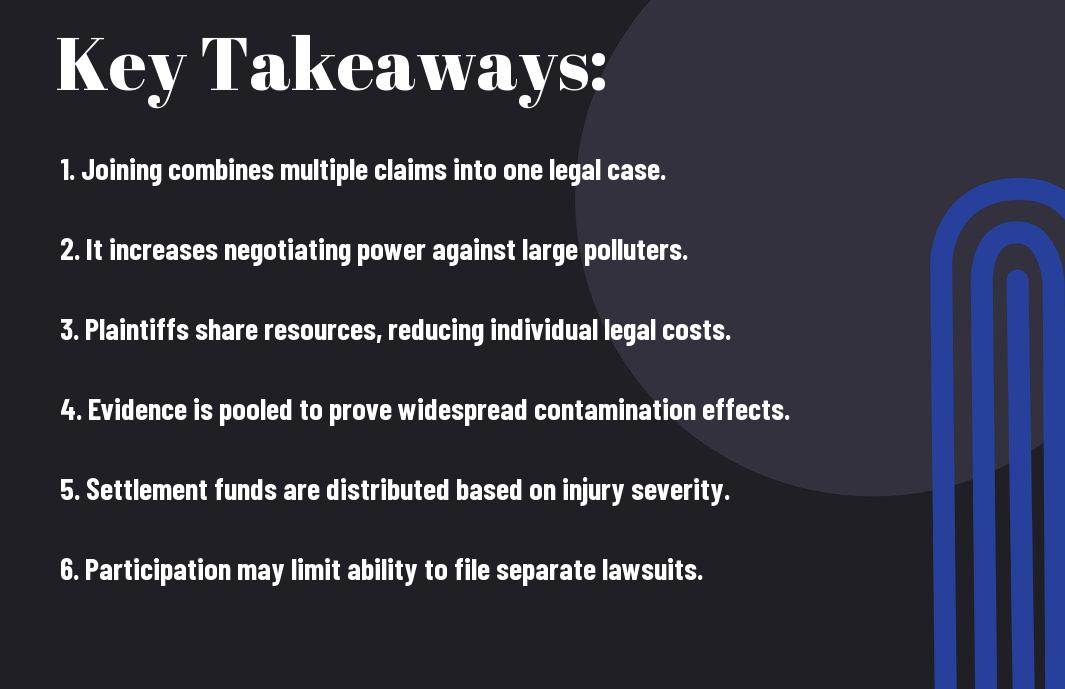
- Joining a mass tort lawsuit for PFAS water contamination allows individuals affected by harmful chemicals to collectively seek compensation from responsible parties.
- Mass torts streamline the legal process, enabling multiple claims to be heard simultaneously, which can lead to more efficient resolution and lower costs for plaintiffs.
- Victims must demonstrate exposure to PFAS and the resulting health impacts to establish a valid claim within the mass tort framework.
- Participating in a mass tort may provide access to shared resources, including expert testimonies and legal representation, enhancing the chances of a favorable outcome.
- The settlement amounts can vary significantly based on factors like the severity of contamination, health effects experienced, and the number of claimants involved.
Understanding Mass Tort Lawsuits
Definition of Mass Tort
After experiencing harm due to PFAS water contamination, you may consider joining a mass tort lawsuit. A mass tort is a legal action that consolidates multiple individual claims into a single case, typically when numerous plaintiffs suffer similar injuries from the same source. This type of lawsuit allows you and others affected by toxic exposure to collectively seek justice against responsible parties, often large corporations or manufacturers.
Your participation in a mass tort can make a significant impact on the overall case. Each plaintiff retains their own individual claim, meaning that you have the opportunity to seek compensation for your specific damages while benefiting from the shared resources and legal expertise of a larger group. This can provide both strength in numbers and a more efficient legal process, especially when dealing with complex issues related to water contamination and health impacts.
Differences Between Mass Torts and Class Actions
Lawsuits can take various forms, and it’s necessary to understand the distinctions between mass torts and class actions. While both allow a group of individuals to file claims together, one glaring difference is how the claims are handled. In a mass tort, each plaintiff has a distinct case based on their unique experiences and injuries, whereas in a class action lawsuit, a single plaintiff represents the interests of the entire class.
Actions taken in a mass tort provide you with greater individuality in your claim, allowing you to present your specific losses and experiences to the court. This is particularly important in cases like PFAS contamination where the extent and nature of health impacts may vary significantly from person to person. Joining a mass tort means your case is supported by the collective strength of other plaintiffs, enhancing the potential for a successful outcome, while still maintaining the integrity and focus of your individual claim.
PFAS Water Contamination Overview

Some of the most pressing environmental and health challenges today stem from the contamination of water sources with per- and polyfluoroalkyl substances (PFAS). These synthetic chemicals, often referred to as “forever chemicals” due to their persistence in the environment, have been linked to a variety of serious health issues, including liver damage, thyroid problems, and even certain cancers. When PFAS infiltrate your drinking water, they pose both an immediate and long-term risk to your health and wellbeing.
What Are PFAS?
Any discussion about water contamination should begin with a clear understanding of what PFAS are. These are a family of over 5,000 man-made chemicals that have been widely used in various industries since the 1940s. Known for their water- and grease-resistant properties, PFAS have found applications in everyday items such as non-stick cookware, water-repellent clothing, and food packaging. However, their widespread use has led to significant environmental accumulation and potential exposure through drinking water.
Sources of PFAS Contamination
What contributes to PFAS contamination in your water supply? The sources are both diverse and concerning. PFAS can enter water systems through industrial discharge, wastewater treatment, and even agricultural runoff where products containing these chemicals are applied. Firefighting foams, particularly those used at military bases or airports, are another significant source, as they often contain high concentrations of PFAS.
PFAS contamination is primarily linked to specific industrial practices and products. For instance, manufacturing sites that produce or utilize PFAS can release these harmful chemicals into the air and waterways. Additionally, landfills where PFAS-containing products are disposed of contribute to groundwater contamination, posing risks to nearby communities. Unfortunately, due to the resilience of PFAS in the environment, these substances can remain detectable in water for decades, making it imperative for those affected to seek solutions for remediation and legal recourse. Understanding the sources of contamination can empower you to address the issue effectively, whether through advocacy, cleaning initiatives, or legal action.
The Legal Process of Joining a Mass Tort
Now that you’ve decided to explore joining a mass tort lawsuit for PFAS water contamination, it’s important to understand the legal process involved. Becoming part of a mass tort can seem overwhelming, but breaking it down into manageable steps can help you navigate it more effectively. This collective legal action aims to hold responsible parties accountable for the harm caused by PFAS, which are hazardous chemicals often found in drinking water and linked to various health issues.
Initial Steps to Join
Across the various avenues for joining a mass tort lawsuit, the first step typically involves seeking legal advice. It’s advisable to consult with a law firm that specializes in environmental law and mass torts, as they can guide you through the preliminary stages and determine if your case is viable. You will need to provide details about your exposure to PFAS and how it has affected your health or the health of your loved ones. This initial consultation will help ascertain whether you meet the criteria to join the mass tort.
Gathering Evidence and Documentation
An important part of your journey in joining a mass tort is gathering the necessary evidence and documentation. This can include medical records, test results that show the presence of PFAS in your water, and any other relevant documentation that demonstrates your claim. The more comprehensive the evidence you provide, the stronger your case will be in the mass tort context.
The documentation you gather not only serves to substantiate your claim but also assists your legal team in identifying patterns of contamination and health impacts associated with PFAS exposure. Your records may include invoices for medical bills, expert reports, and personal diaries documenting health symptoms. Additionally, if you’ve participated in any health studies or provided samples for testing, that information can be beneficial as well. Collecting this evidence early on is vital for building a strong case and ensuring that you receive the compensation you deserve for the damages caused by PFAS exposure.
Potential Benefits of Joining a Mass Tort

After considering your options regarding PFAS water contamination, joining a mass tort lawsuit can lead to several significant advantages. The mass tort mechanism allows individuals like you, affected by the same harmful situation, to unite and present your cases collectively against the responsible parties. This not only strengthens your legal position but also promotes a more efficient resolution process. Mass torts can result in more substantial settlements when compared to individual lawsuits, making your voice heard in a larger, coordinated action that can apply more pressure on the defendants.
Financial Compensation
For many individuals affected by PFAS water contamination, the most compelling reason to join a mass tort is the potential for financial compensation. By joining forces with others who have experienced similar losses and health issues, there is a greater chance of achieving a favorable outcome that addresses medical bills, property damage, and other related expenses. The combined strength of multiple claims often leads to larger settlements or verdicts than isolated cases could achieve on their own, which can be especially valuable for you if you are facing financial burdens due to these toxic chemicals.
Collective Pressure on Defendants
Benefits of joining a mass tort also include the collective pressure exerted on defendants. When numerous individuals come together, it sends a strong message to corporations or entities responsible for the contamination that you are serious about pursuing justice. This unity can lead to increased negotiating power during settlement discussions, as defendants are typically more inclined to settle when faced with the prospect of a large number of claims against them.
Understanding the dynamics of mass tort lawsuits allows you to appreciate how collective actions can influence the legal landscape significantly. When you join forces with others, the aggregated evidence and testimonies can create a clear narrative of the harm caused by PFAS contamination, amplifying your legal argument. This communal approach not only raises awareness about the dangers of PFAS but also instills a sense of accountability among those responsible for the water contamination, ultimately advocating for safer practices and regulations in the future.
Risks and Considerations
All participants in a mass tort lawsuit should be aware of the potential limitations that may arise. While mass torts can provide a pathway for individuals to hold corporations accountable for environmental toxins like PFAS, these claims are not without their complexities. Gathering sufficient evidence to establish a clear connection between personal harm and the contaminants can be challenging, and the timeline for resolving these claims can be lengthy. Additionally, you may face barriers such as legal fees or the need to share any monetary awards with your co-plaintiffs, which can affect your final compensation.
Limitations of Mass Tort Claims
Before entering a mass tort claim, it’s imperative to consider the limitations that come with it. Mass torts tend to be less straightforward compared to individual lawsuits; you will be part of a larger group which can dilute the attention your specific case might receive. The burden of proof falls on you as the plaintiff to demonstrate not just the contamination itself, but also how it specifically impacted you or your health. Moreover, settlements in a mass tort may be lower than what you might expect from a typical personal injury lawsuit if the collective bargaining does not yield favorable terms.
Possible Outcomes and Timeframes
Along with the limitations, it’s vital to consider the possible outcomes and timeframes associated with mass tort lawsuits. While there’s potential for significant financial compensation, the process can take years to resolve. You might not see any financial returns for an extended period, and the outcome is uncertain, ranging from full dismissal of your claims to a successful settlement or verdict in your favor. The duration and complexity of such cases can vary greatly depending on several factors, including the number of plaintiffs involved and the willingness of the corporations at fault to settle.
Tort cases, especially mass torts, can achieve various outcomes that directly influence your life and wellbeing. For instance, a successful outcome may result in substantial compensation for damages and medical expenses related to PFAS exposure, potentially covering ongoing healthcare needs. However, if your case does not prevail or encounters legal obstacles, the impact on your financial and emotional state can be significant. It’s imperative to stay informed throughout the process and maintain realistic expectations, as the journey may be long but could lead to justice and accountability for the harm inflicted upon you.
Finding the Right Legal Representation
Despite the unsettling circumstances surrounding PFAS water contamination, securing appropriate legal representation is an empowering step towards seeking justice. The first task you face is to find an attorney who specializes in mass tort lawsuits and has a proven track record with environmental contamination cases. You should prioritize legal professionals who openly communicate their experience, resources, and approaches to handling such cases. Your choice of attorney will be foundational to the success of your claim, as they will navigate the complex legal landscape and advocate for your rights throughout the process.
How to Choose an Attorney
Representation in a mass tort lawsuit requires attorneys who not only understand the legal implications but also appreciate the personal aspect of your situation. Look for law firms that have established a dedicated section for environmental issues or mass torts. Consider reading testimonials or reviews from former clients to gauge their satisfaction levels. It is also advisable to meet with potential attorneys for consultations, allowing you to assess their communication style and how well they understand the specific nuances of PFAS-related cases.
Questions to Ask Before Hiring
An effective way to sift through your options is by proactively asking pertinent questions during initial consultations. Make sure to inquire about their experience with mass tort cases, specifically regarding PFAS or similar environmental pollutants. Knowing their success rate and how many cases similar to yours they’ve handled will provide valuable insight into their capabilities. Additionally, discuss fee structures and whether they work on a contingency basis, which can alleviate financial pressure as you seek justice.
And don’t hesitate to ask about the specific strategies they plan to employ to advance your case. Understanding their approach will not only give you confidence in their abilities but also clarify what steps you can take to bolster your claim. Furthermore, ensuring that your attorney maintains open lines of communication throughout the process is vital; this can greatly affect your overall experience and satisfaction during an inherently stressful time. Ultimately, the right legal representation will be your ally in the pursuit of accountability and justice, transforming a daunting endeavor into a path towards resolution.
Final Words
Taking this into account, joining a mass tort lawsuit for PFAS water contamination means you are actively participating in a collective legal effort to seek justice for the harmful effects caused by these substances. By being part of this group, you not only gain a platform to voice your concerns and experiences but also stand to potentially share in any compensation awarded to affected individuals. This avenue allows you to hold accountable those responsible for the contamination, thereby advocating for both individual and community health and safety. Your involvement illustrates a commitment to making a difference not just for yourself, but for others who may have suffered similar fates due to negligence and pollution.
Moreover, participating in this mass tort can yield significant advantages. You benefit from shared resources, legal expertise, and the collective strength of numerous claimants, which can enhance your chances of a favorable outcome. It is important to stay informed and engaged throughout the process, as understanding your role within the lawsuit can empower you and strengthen the collective cause against PFAS contamination. Ultimately, by taking this step, you contribute to raising awareness about water safety and environmental accountability, fostering a healthier future for your community and beyond.
Q: What is a mass tort lawsuit, and how does it relate to PFAS water contamination?
A: A mass tort lawsuit is a legal action that involves multiple plaintiffs who have similar claims against one or more defendants for damages, typically related to personal injuries or property damage caused by the defendants’ actions. In the context of PFAS (per- and polyfluoroalkyl substances) water contamination, individuals or communities affected by these harmful chemicals in their drinking water may band together to file a mass tort lawsuit against the manufacturers or companies responsible for the pollution. This collective approach allows plaintiffs to share resources and legal representation while pursuing compensation for health-related issues or damages caused by exposure to PFAS chemicals.
Q: What are the benefits of joining a mass tort lawsuit for PFAS exposure?
A: Joining a mass tort lawsuit for PFAS exposure offers several benefits to plaintiffs. Firstly, it can reduce individual legal costs, as the expenses of litigation are shared among all participating plaintiffs. Additionally, mass torts allow for more efficient processing of cases, as similar claims are handled together, potentially leading to quicker resolutions. Moreover, being part of a larger group can amplify the impact of the case, as collective evidence and testimonies may strengthen the argument against the defendants. This grouping can also enhance the likelihood of achieving a favorable settlement or verdict due to the combined experiences and claims of numerous affected individuals.
Q: What should I consider before joining a mass tort lawsuit related to PFAS?
A: Before joining a mass tort lawsuit for PFAS water contamination, there are several factors to consider. Firstly, it is important to understand the specific health effects and legal claims associated with PFAS exposure, as well as any deadlines for filing claims. It’s also important to research the law firms or legal teams involved in the mass tort to ensure they have experience in environmental or toxic tort cases. Additionally, potential plaintiffs should assess the strength of the evidence available regarding their own exposure to PFAS and any resulting health issues. Lastly, understanding the potential outcomes and the process involved in a mass tort lawsuit can help individuals make informed decisions about their participation in the lawsuit.