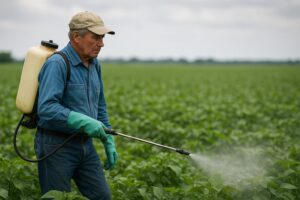
It’s necessary to understand the ongoing legal battles surrounding Roundup and its alleged link to non-Hodgkin’s lymphoma, especially if you are an agrarian plaintiff considering your options. As courts continue to navigate the complexities of these cases, you may wonder about the evidence required to support your claim and the potential outcomes. This blog post will probe into the current landscape, highlighting key factors impacting your ability to achieve a favorable verdict in this contentious saga.
Key Takeaways:
- Agrarian plaintiffs face ongoing legal challenges in Roundup non-Hodgkin’s lymphoma lawsuits.
- The efficacy of scientific evidence linking Roundup to health risks continues to be debated in courts.
- Recent rulings have affirmed the necessity of robust expert testimony for plaintiffs to succeed.
- Juror perceptions of Monsanto’s credibility may influence case outcomes significantly.
- Settlements remain a common resolution path for many plaintiffs amid uncertainty.
- State regulations and varying legal standards can affect litigation strategies across jurisdictions.
- The long-term implications of these cases could reshape agricultural practices and herbicide regulations.
Background on Glyphosate and Roundup
History of Glyphosate as a Herbicide
Glyphosate was discovered in 1970 by Monsanto chemist John E. Franz, marking a significant advancement in herbicide innovation. Initially deemed a descaling agent, its herbicidal properties became evident when it effectively impaired plants’ ability to synthesize vital amino acids. This discovery paved the way for extensive research and development into glyphosate-based formulations, leading to its widespread agricultural adoption.
The Rise of Roundup in Agriculture
Roundup, a glyphosate-based herbicide launched in 1974 by Monsanto, quickly rose to prominence in agriculture due to its effectiveness against a broad range of weeds. Its introduction coincided with the development of genetically modified crops resistant to glyphosate, leading to increased use and reliance by farmers. By 1990, Roundup became the most widely used herbicide in the United States, transforming agricultural practices and simplifying weed management for farmers nationwide.
As Roundup gained market dominance, many farmers embraced glyphosate-resistant crops, creating a new agricultural paradigm known as “glyphosate-dependent farming.” This approach allowed for easier weed control, significantly boosting crop yields and lowering cultivation costs. However, the reliance on Roundup has raised concerns over the emergence of glyphosate-resistant weed species, prompting a shift in farming practices and generating ongoing debates about sustainable agriculture and health risks.
Understanding Non-Hodgkin’s Lymphoma
Non-Hodgkin’s lymphoma (NHL) is a type of cancer that originates in the lymphatic system, particularly affecting lymphocytes, a kind of white blood cell. Various subtypes of NHL exist, which can manifest through symptoms like swollen lymph nodes, fever, and unexplained weight loss. The disease’s complexity arises from its diverse presentations and varying prognosis, demanding tailored treatment approaches based on specific diagnoses.
Your understanding of Non-Hodgkin’s lymphoma can deepen when you consider its risk factors, which include environmental influences like pesticide exposure. Epidemiological studies suggest a link between glyphosate exposure and certain NHL subtypes, leading to legal actions where agrarian plaintiffs seek accountability from manufacturers like Monsanto, and spotlighting the intricate relationship between agricultural practices and public health outcomes.
The Legal Landscape of Roundup Litigation
Overview of Major Lawsuits Against Monsanto
Thousands of lawsuits have been filed against Monsanto, primarily from individuals claiming that their exposure to Roundup caused non-Hodgkin’s lymphoma. High-profile cases have drawn significant media attention, with plaintiffs alleging a lack of adequate warning about the cancer risks associated with glyphosate, the active ingredient in Roundup. With jury verdicts in the billions, these cases challenge Monsanto’s practices and the safety of its products.
Key Court Rulings and Their Implications
Landmark rulings, such as Johnson v. Monsanto, have significantly impacted ongoing litigation by affirming jury findings that Monsanto failed to warn consumers about the cancer risks posed by Roundup. These decisions set precedents, increasing the pressure on the company and influencing how courts evaluate scientific evidence in future cases.
The implications of these rulings extend beyond individual cases; they shape the overall legal strategy employed by agrarian plaintiffs. For instance, successful suits have emboldened other individuals to come forward, challenging Monsanto’s liability and pushing for regulatory changes. Furthermore, these significant jury awards indicate potential vulnerabilities in Monsanto’s legal defenses, as courts consider the weight of evidence regarding glyphosate’s carcinogenicity.
The Role of Science in Judicial Decisions
Scientific evidence plays a pivotal role in determining the outcome of Roundup litigation. Courts often rely on expert testimony and peer-reviewed research to assess the validity of claims regarding glyphosate and cancer links. This scrutiny influences how juries comprehend the risk assessments and safety evaluations presented by both plaintiffs and defendants.
As litigation progresses, the balancing of scientific findings becomes increasingly complex. Studies, reports, and regulatory positions from agencies like the International Agency for Research on Cancer (IARC) have highlighted glyphosate’s potential risks, supporting plaintiffs’ arguments. However, the defense frequently cites contrary research to contest causation claims, leading to contentious courtroom debates over the credibility and relevance of scientific data. These ongoing discussions ultimately determine whether juries lean toward plaintiffs’ claims or uphold Monsanto’s defenses based on scientific interpretations.
The Role of Agrarian Plaintiffs
The Profile of Agrarian Plaintiffs in Litigation
Agrarian plaintiffs typically consist of farmers, agricultural workers, and landowners who have been exposed to Roundup during their professional activities. Many of these individuals have dedicated years to farming, often using pesticides without full knowledge of the associated health risks. Their backgrounds can vary from small family-run farms to larger agricultural enterprises, but they share a common narrative of facing serious health consequences, primarily non-Hodgkin’s lymphoma.
Common Claims of Agrarian Plaintiffs
Agrarian plaintiffs commonly claim that their exposure to Roundup, specifically its active ingredient glyphosate, has directly contributed to their diagnosis of non-Hodgkin’s lymphoma. They argue that the product’s labeling was misleading and that proper warnings were not provided. Many cite long hours of handling and applying Roundup in their daily work, believing that their health problems stem from these repeated exposures.
The specific claims often encompass a lack of adequate safety protocols and a failure of the manufacturer to disclose the potential health risks of glyphosate. Plaintiffs may also reference studies linking glyphosate to cancer, pointing to existing scientific literature that suggests a correlation with non-Hodgkin’s lymphoma. The narratives presented by these individuals frequently illustrate personal anecdotes of health struggles and the impact on their families, bolstering their claims with emotional resonance in the courtroom.
The Impact of Agrarian Testimonies in Court
The testimonies of agrarian plaintiffs play a pivotal role in shaping the narrative of the lawsuits against herbicide manufacturers. Their firsthand accounts provide compelling evidence of exposure risk and the subsequent health issues they face, which can resonate more powerfully than mere statistics.

Agrarian testimonies often bridge the gap between scientific studies and real-world implications, illustrating the human side of the litigation. Courts may find these personal stories persuasive, influencing juries’ perceptions of both the credibility of the claims and the accountability of the manufacturers. As you examine various cases, the emotional weight carried by these testimonies can significantly affect juror sentiment, highlighting the critical nature of agrarian voices within the larger context of the Roundup litigation saga.
Gathering Evidence: Challenges and Opportunities
Scientific Studies Linking Glyphosate to Cancer
Numerous studies have suggested a connection between glyphosate exposure and an increased risk of Non-Hodgkin’s lymphoma. Research published by the International Agency for Research on Cancer (IARC) classified glyphosate as “probably carcinogenic in humans,” prompting agrarian plaintiffs to leverage such findings in their legal battles. Collecting data from these studies is necessary for building a compelling case.
Establishing Causation: Legal Standards
Establishing a direct link between glyphosate exposure and Non-Hodgkin’s lymphoma presents unique legal challenges. Jurisdictions often require plaintiffs to meet specific standards of evidence, demonstrating that their illness is directly attributable to glyphosate rather than other factors. This can involve comprehensive review of medical histories and exposure levels.
Legal standards vary, with some courts adhering to the Daubert standard, which focuses on the reliability and relevance of scientific evidence. You must provide a clear, logical connection between exposure and illness, often necessitating meticulous records and expert testimonies. Courts generally expect you to show that a significant number of studies support a direct causal relationship, rather than merely correlation.
The Importance of Expert Witnesses
Expert witnesses are vital in effectively conveying complex scientific evidence to the court. They serve as the bridge between intricate research findings and your legal arguments, bolstering your case with their authoritative testimony. Their insights can tip the balance in establishing causation or interpreting scientific studies.
Your chosen expert must possess a strong background in epidemiology, toxicology, or a related field, with the ability to clearly explain how glyphosate affects health. The credibility and thoroughness of their testimony can sway jurors’ perceptions and lend substantial weight to your claims, especially when faced with counterarguments from the defense. Selecting experts who have published in peer-reviewed journals or hold positions in reputable institutions can significantly enhance your chances of success.
Jury Dynamics in Glyphosate Trials
Understanding Jury Perceptions of Agrarian Cases
Your perspective as an agrarian plaintiff can heavily influence how jurors perceive your case. Jurors may empathize with agricultural backgrounds, viewing you as hardworking individuals harmed by corporate negligence. Establishing that connection can sway opinions, but contrasting narratives surrounding agribusiness may also play a role, necessitating a nuanced approach to storytelling during the trial.
The Influence of Media on Jury Decisions
Media coverage can significantly impact how jurors view glyphosate-related cases. High-profile reports detailing cancer risks linked to Roundup shape public perception and, consequently, jury sentiments. Jurors might enter the courtroom with preconceived notions influenced by sensationalized stories, affecting their objectivity during deliberations.
Strategies for Agrarian Plaintiffs in Jury Trials
Your case can gain traction by employing focused strategies tailored to jury dynamics. Engaging expert witnesses who resonate with agrarian values can reinforce credibility, while personal testimonies from affected individuals evoke emotional responses that jurors can relate to.
Building a strong narrative that encapsulates both personal and communal experiences can fortify your position in the trial. You might consider harnessing stories from fellow farmers, illustrating shared challenges, and emphasizing community ties. Creating visual materials can further enhance engagement, ensuring jurors understand the real-world implications of glyphosate exposure. This approach can create a compelling narrative, making it more challenging for jurors to dismiss the validity of your claims.
Settlement Trends and Outcomes
Analysis of Settlement Offers to Agrarian Plaintiffs
Settlement offers to agrarian plaintiffs have varied significantly, reflecting a range of motivations from manufacturers and their insurers. Many plaintiffs have reported offers that seem inadequate compared to the toll glyphosate exposure has taken on their health and livelihood. This discrepancy often drives negotiations and can lead to either acceptance of lower offers or extended litigation.
Factors Influencing Settlement Decisions
Various factors influence the settlement decisions of agrarian plaintiffs, including financial needs, the strength of the case, and psychological readiness for trial. Your willingness to settle may hinge on how pressing your financial situation is, as well as how confident you feel about a potential jury outcome. This is compounded by considerations around the extensive legal costs associated with continued litigation.
- Financial necessity and urgency.
- The strength of supporting evidence.
- Potential jury attitudes and perceptions.
- Emotional readiness to endure a long trial.
Negotiating a settlement requires careful evaluation and weighing of these factors. The emotional burden of a lengthy legal battle can impact your desire to reach a swift resolution, even if it means compromising on the amount offered. Moreover, the unpredictability of trial outcomes may lead you to consider stability over potential gains.
- Emotional resilience against litigation stress.
- Perceptions of fairness in settlement offers.
- Advice from trusted legal counsel.
- Long-term medical prognoses and needs.
The Role of Legal Counsel in Negotiating Settlements
Effective negotiation of settlements largely depends on the expertise of your legal counsel. A knowledgeable attorney with experience in agrarian and toxic tort cases can provide critical insights into the value of your claim, guiding you toward the best possible outcome. Their negotiation skills play a pivotal role in advocating for fair compensation.
Your legal counsel’s role extends beyond negotiation tactics; they assess the strengths and weaknesses of your case, gauge the motivations of opposing parties, and utilize their network to strengthen your position. An experienced lawyer can also help you understand the long-term implications of accepting a settlement versus pursuing further litigation, allowing you to make informed decisions based on comprehensive analyses.
The Role of Regulatory Agencies
The EPA’s Stance on Glyphosate
The Environmental Protection Agency (EPA) maintains that glyphosate is safe when used according to label instructions. In its 2020 assessment, the EPA declared glyphosate as “not likely to be carcinogenic to humans” based on an extensive review of scientific studies. This conclusion has been pivotal in shaping public perception and influencing court cases involving agrarian plaintiffs, as it underscores the agency’s support for the product’s continued use in agriculture.
International Perspectives on Glyphosate Use
Global attitudes towards glyphosate are diverse, reflecting differing regulatory frameworks and public opinion. While many countries, particularly in the EU, have implemented strict regulations or bans on glyphosate use, others, such as the United States and Brazil, continue to endorse it. This disparity stems from varying interpretations of research on glyphosate’s safety and environmental impact, leading to potential implications for agricultural practices and litigation across borders.
In the European Union, several countries have imposed restrictions or outright bans on glyphosate, fueled by public outcry and environmental activism. For instance, Germany plans to prohibit glyphosate by 2023, while France has already enacted significant limitations. Conversely, Brazil’s agriculture sector heavily relies on glyphosate, supported by their regulatory body, which has deemed it crucial for crop production. This juxtaposition creates a complex landscape for agrarian plaintiffs, as litigation outcomes might be influenced by the regulatory stance prevalent in different jurisdictions.
The Impact of Regulatory Findings on Litigation
Regulatory findings from agencies like the EPA can significantly impact ongoing litigation involving glyphosate. Courts often consider these assessments when determining the validity of claims made by plaintiffs about the herbicide’s safety. If a regulatory body upholds the safety of glyphosate, it may weaken the plaintiffs’ case, as juries may perceive agency endorsement as a validation of the product’s usage.
The interplay between regulatory findings and litigation outcomes is evident in several recent trials. For instance, when juries hear that the EPA supports glyphosate’s safety, it can create a bias that favors the defendants. Jurors might view regulatory agencies as authoritative sources of truth, leading to a skepticism of the plaintiffs’ assertions regarding health risks. Such dynamics underscore the importance of regulatory evaluations in shaping the legal landscape surrounding glyphosate-related lawsuits.
Evolving Public Opinion on Glyphosate
Trends in Public Awareness and Sentiment
Public awareness of glyphosate’s potential risks has surged in recent years, fueled by high-profile litigation outcomes and extensive media coverage. As studies linking glyphosate to Non-Hodgkin’s Lymphoma emerge, more consumers and advocates are questioning its safety, driving a shift in sentiment that echoes through agricultural communities and the broader public sphere.
The Influence of Advocacy Groups
Advocacy groups play a significant role in shaping public perception of glyphosate. Organizations dedicated to environmental and health issues raise awareness through campaigns, education, and research dissemination, often positioning glyphosate as a harmful chemical. Their initiatives frequently highlight the potential risks associated with agricultural practices involving glyphosate, leading to heightened scrutiny and alarm among the general public.
Groups like the Environmental Working Group and Beyond Pesticides mobilize grassroots efforts, calling for policy changes and increased regulation. They utilize social media platforms and community events to educate the public, engage in advocacy efforts, and galvanize support for stricter guidelines against glyphosate usage. By framing the narrative around glyphosate, these organizations amplify the voices of affected individuals and communities, further influencing public sentiment.
How Public Opinion Affects Legal Strategy
Your case strategy may significantly shift depending on evolving public opinion surrounding glyphosate. When public sentiment favors stricter regulations or expresses concern over its safety, juries might be more sympathetic to agrarian plaintiffs. Understanding these shifts can provide insights into how to frame arguments and select evidence that resonates with contemporary societal concerns.
For example, increased public wariness can motivate jurors to consider the emotional and social ramifications of glyphosate exposure, as opposed to solely focusing on scientific data. As such, lawyers may emphasize narratives highlighting personal stories of illness or community impact. Adapting legal strategies to align with public sentiment not only enhances your argument’s relevance but also may improve the chances of a favorable verdict.
The Future of Roundup Litigation
Predictions for Upcoming Cases
Upcoming cases are likely to reflect growing public awareness and scientific understanding of glyphosate’s potential risks. Courts may favor plaintiffs with robust evidence connecting their health issues to Roundup, especially as more research surfaces. Your approach should account for shifting jury sentiments as agrarian communities grapple with the implications of using this herbicide.
The Changing Landscape of Agricultural Practices
Modern agriculture is rapidly evolving, with many farmers transitioning to alternative weed management strategies, including organic practices and integrated pest management. As you adapt, awareness of your farming choices can impact Roundup litigation outcomes. Increased use of safer herbicides, coupled with crop rotation and cover cropping, may not only reduce health risks but also serve as a defense in future lawsuits.
Legislative Movements and Their Potential Impact
Legislative changes are emerging as states reevaluate glyphosate’s use in agriculture. New regulations may limit or ban glyphosate, influencing how future litigation unfolds. As laws evolve, staying informed about local agricultural policies can guide your decisions and preparedness in potential legal actions.
Recent legislative efforts across various states aim to address health concerns linked to glyphosate, with some proposing stricter usage guidelines or outright bans. These shifts can reshape the agricultural landscape significantly, impacting your farming practices and liability. Engaging with policymakers and participating in local discussions about herbicide usage can help you stay ahead of emerging regulations and shape a safer future for your community.
Alternative Agricultural Practices
Exploring Organic Farming Solutions
Transitioning to organic farming can offer a viable alternative for agrarian plaintiffs seeking healthier pest control methods. By using natural inputs and crop rotations, you can reduce dependency on chemical herbicides like glyphosate, which has been associated with Non-Hodgkin’s Lymphoma. Organic practices not only enhance soil health but also promote biodiversity, potentially leading to a more sustainable and resilient agricultural system.
The Role of Sustainable Practices in Agriculture
Adopting sustainable practices helps mitigate environmental damage while improving crop resilience. Utilizing techniques such as conservation tillage, integrated pest management, and cover cropping can significantly enhance your farm’s ecological balance. These methods focus on preserving resources and fostering an environment that reduces disease pressure and enhances yields in the long term.
At its core, sustainability in agriculture encourages practices that work in harmony with natural ecosystems. Implementing crop diversification not only minimizes the risk of pest outbreaks but also conserves soil and water resources. You may find that practices like agroforestry and permaculture can lead to a more stable farm economy, as these approaches often yield multiple products from the same land, ensuring both ecological and economic longevity.
Economic Implications for Agrarian Communities
Your transition to alternative agricultural practices can have profound economic impacts on local communities. Shifting away from chemical reliance often leads to greater market opportunities, particularly as consumer demand for organic and sustainably produced goods continues to rise. This shift can elevate your earning potential through premiums associated with organic certifications.
The economic implications stretch beyond individual gains. By embracing sustainable practices, you contribute to creating resilient local economies that are less vulnerable to the fluctuations of global markets. In areas where traditional farming methods face challenges, diversifying into organic practices can foster community collaboration, encourage local investment, and reduce healthcare costs associated with pesticide exposure, ultimately leading to stronger, healthier communities.
International Case Studies
- France: In 2019, a farmer was awarded €1 million after developing Non-Hodgkin’s Lymphoma, linking his illness to glyphosate exposure. This landmark case emphasized the responsibility of manufacturers in product safety.
- Canada: A 2020 ruling found that glyphosate did not significantly increase cancer risk based on the evidence presented, leading to a dismissal of plaintiff claims.
- Germany: A lawsuit in 2021 resulted in a settlement of €500,000 for a victim who successfully proved environmental contamination and exposure risks from local farming practices.
- Australia: A farmer received AUD 2.2 million in damages in 2022 following a jury decision that linked his cancer diagnosis to long-term exposure to glyphosate products.
- India: In 2023, a case against a multinational agri-business resulted in regulatory action, reflecting growing public sentiment against chemical usage, although no monetary damages were awarded.
Comparative Analysis of Non-Hodgkin’s Lymphoma Cases Globally
Analyzing Non-Hodgkin’s Lymphoma cases internationally reveals varying outcomes influenced by regulatory environments and public perception. Countries with stringent agricultural regulations tend to see fewer successful claims, whereas regions with increasing public health awareness have begun to hold companies accountable more frequently.
Country
Outcome
FranceFavorable, €1 million awardCanadaDismissedGermanySettlement, €500,000AustraliaAUD 2.2 million awardedIndiaRegulatory action taken
The Influence of Cultural Attitudes on Litigation
Cultural perceptions toward agriculture, health, and corporate responsibility shape legal outcomes in Non-Hodgkin’s Lymphoma cases. Societies that prioritize environmental health often result in more significant lawsuits and settlements against agricultural corporations.
The differing cultural attitudes toward litigation can either empower or hinder agrarian plaintiffs. In countries where agricultural integrity is upheld by public sentiment, plaintiffs experience greater judicial sympathy and support, potentially leading to favorable outcomes. In contrast, regions that view litigation as antagonistic may see cases dismissed swiftly, limiting the ability of those affected to seek justice.
Lessons Learned from International Legal Outcomes
International legal cases surrounding Non-Hodgkin’s Lymphoma offer valuable insights into future litigation strategies. Successful outcomes often underscore the importance of comprehensive scientific evidence and community support in driving claims against agricultural practices.
The lessons learned highlight a clear pathway for future agrarian plaintiffs. Emphasizing robust scientific studies and fostering public discourse around health impacts can significantly bolster claims. Understanding the nuances of each jurisdiction—both culturally and legally—will also offer an necessary framework for approaching litigation effectively in the face of powerful agribusiness interests.
Support Networks for Affected Agrarian Plaintiffs
Resources for Legal Assistance
Accessing legal assistance can significantly impact your case against agribusiness giants. Organizations such as the Farmworker Justice and the Center for Food Safety provide resources and support to help you navigate your legal options. Additionally, various private law firms specializing in pesticide-related lawsuits offer free consultations, which can help determine the strength of your case and guide you through the legal process.
Navigating Medical Support Systems
Securing proper medical support is important for addressing health issues arising from pesticide exposure. Establishing a relationship with healthcare providers who understand the connection between agricultural practices and Non-Hodgkin’s Lymphoma can facilitate a more accurate diagnosis and effective treatment plan. Utilize local health departments and specialty clinics that focus on agricultural health services to aid in managing your care.
By building a strong support network, you can ensure timely access to important medical services. Seek out oncologists experienced in agricultural-related illnesses, as they can provide insights tailored to your unique circumstances. Utilize telehealth options if transportation is a barrier, and participate in support groups where you can share your experiences and gain knowledge from those who have faced similar challenges.
The Role of Community Organizations
Community organizations play a pivotal role in supporting agrarian plaintiffs as they navigate the complexities of their cases. Many local and national groups offer education, advocacy, and resources to help you understand your rights and explore effective strategies for pursuing justice. Connecting with these organizations often provides not only access to critical information but also emotional support from individuals aware of your struggles.
Organizations such as the National Farm Medicine Center and Growers’ Legal Action Network provide vital resources, workshops, and counseling services tailored to agrarian communities. They often hold informational events to empower you with knowledge about your health rights and legal options. Furthermore, these groups can help raise awareness about the challenges faced by affected farmers, creating a stronger collective voice advocating for change and justice.
Media Coverage and Its Impact
The Role of Journalism in Shaping Public Perception
Journalistic reporting has significantly influenced public perception of Roundup and its alleged link to Non-Hodgkin’s lymphoma. Investigative articles and features have highlighted individual cases, transforming these personal stories into broader narratives about corporate accountability and consumer safety. This coverage fosters a more informed public dialogue, raising awareness of the potential risks associated with glyphosate use.
Analyzing Prominent Media Cases
Prominent media cases have spotlighted specific agrarian plaintiffs, often serving as turning points in the ongoing litigation surrounding Roundup. One key example is the case of Dewayne Johnson, whose story received widespread coverage, culminating in a landmark verdict that awarded him $289 million. This high-profile case captured national attention, influencing both public opinion and legal strategies among additional plaintiffs.
The Effect of Documentaries and Investigative Reports
Documentaries and investigative reports have played a transformative role in exposing the complexities of the Roundup saga. Through in-depth examinations and real-life testimonials, they offer viewers a comprehensive understanding of the potential health risks tied to chemical usage in farming.
Several documentaries have focused on the plight of affected agrarian plaintiffs, utilizing personal narratives to humanize the legal battles. For instance, films like “Into the Weeds” explore into the struggles of those diagnosed with Non-Hodgkin’s lymphoma, emphasizing the emotional toll of litigation. These pieces not only inform but motivate audiences to engage with the issues, ultimately pressuring regulatory bodies and corporations for change, which could impact future case outcomes.
To wrap up
Hence, as you consider the ongoing Roundup Non-Hodgkin’s lymphoma litigation, recognizing the evolving landscape of evidence and legal precedents is key for agrarian plaintiffs. Your ability to navigate these complexities can influence your chances of prevailing against Monsanto. Staying informed on scientific developments and legal strategies may empower you to effectively advocate for your rights and seek the justice you deserve.
FAQ
Q: What are agrarian plaintiffs in the context of Roundup lawsuits?
A: Agrarian plaintiffs refer to farmers and agricultural workers who have filed lawsuits against Monsanto, the manufacturer of Roundup, claiming that exposure to the herbicide caused them to develop Non-Hodgkin’s Lymphoma.
Q: What is the basis of agrarian plaintiffs’ claims against Roundup?
A: Agrarian plaintiffs claim that Roundup, particularly its active ingredient glyphosate, is a carcinogen linked to the development of Non-Hodgkin’s Lymphoma, based on scientific studies and personal medical diagnoses.
Q: Have agrarian plaintiffs been successful in previous cases?
A: Yes, several agrarian plaintiffs have won large settlements in individual cases, establishing a precedent that glyphosate exposure can lead to Non-Hodgkin’s Lymphoma.
Q: What challenges do agrarian plaintiffs face in court?
A: Agrarian plaintiffs encounter challenges such as the need to prove causation, potential biases in scientific studies, and the financial resources of Monsanto for legal defense.
Q: What recent developments impact agrarian plaintiffs’ chances in ongoing litigation?
A: Recent court rulings and scientific research continue to evolve, influencing the legal landscape, including the admissibility of evidence regarding glyphosate and its potential health risks.
Q: How does the regulatory environment affect agrarian plaintiffs?
A: Regulatory assessments by entities like the EPA may impact lawsuits by affecting public perception and legal arguments regarding the safety of glyphosate, which can influence jury decisions.
Q: What strategies can agrarian plaintiffs use to strengthen their cases?
A: Agrarian plaintiffs can strengthen their cases by gathering comprehensive medical evidence, expert testimonies on toxicology, and documenting exposure levels to show a clear link between Roundup use and their health conditions.