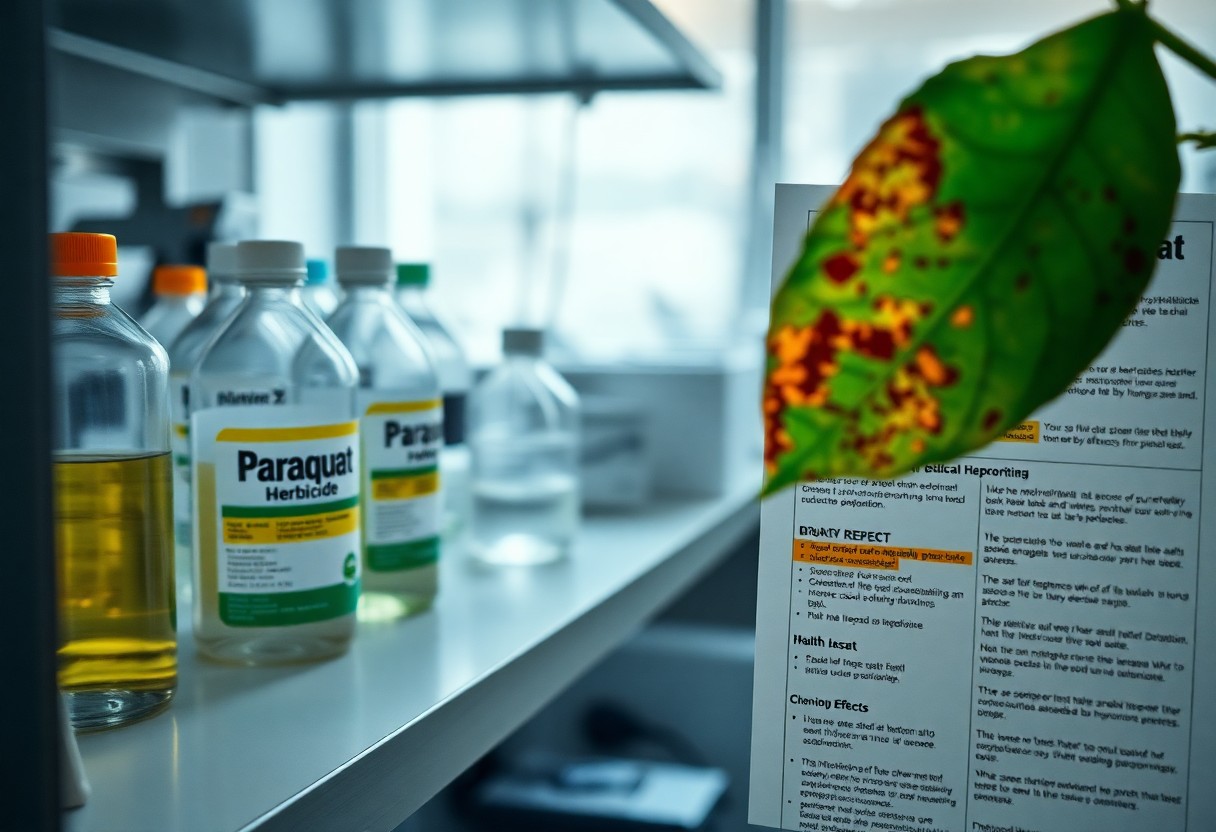
Many individuals exposed to paraquat may not fully grasp the extent of its long-term health implications. As research continues to unveil new findings, you might discover that the side effects of chronic Paraquat Side Effects can be more subtle and pervasive than you once thought. Understanding these potential risks is necessary for your health and well-being, particularly if you’ve been in environments where paraquat was used. This post will explore the depth of paraquat’s effects, shedding light on aspects that may have previously gone unnoticed.
Key Takeaways:
- Paraquat exposure is linked to a range of chronic health issues, including respiratory and neurological conditions.
- The insidious nature of its side effects may contribute to underreporting and misdiagnosis of related illnesses.
- Long-term exposure can result in cumulative health damage that manifests years after initial contact.
- Studies indicate a potential connection between paraquat and Parkinson’s disease, raising concerns about neurodegenerative risks.
- Regulatory agencies are reevaluating the safety and handling of paraquat due to emerging evidence of harmful effects.
- Farmworkers and individuals living near treated areas are at heightened risk and should be monitored closely.
- Public awareness and education on paraquat’s risks are necessary for prevention and early intervention.
Understanding Paraquat
Chemical Composition and Properties
Paraquat, chemically known as 1,1′-dimethyl-4,4′-bipyridinium dichloride, is a powerful herbicide characterized by its stability and solubility in water. Its chemical structure consists of two pyridine rings connected by a bipyridinium bridge, allowing it to interact with plant photosynthesis processes effectively. This compound’s potency lies in its ability to generate reactive oxygen species, causing rapid plant desiccation upon application.
Mechanism of Action
Upon application, paraquat inhibits photosynthesis in plants by disrupting electron transport in chloroplasts, leading to the production of toxic superoxides. This oxidative stress results in cellular damage and ultimately plant death.
The mechanism of action extends beyond immediate herbicidal effects. Paraquat selectively accumulates in lung and neurodegenerative cells, where it can induce oxidative stress and mitochondrial dysfunction. This action plays a significant role in the development of chronic health problems, including respiratory and neurological disorders, often surfacing years after initial exposure. Understanding these pathways sheds light on the potential long-term effects of paraquat on human health.
Use in Agriculture
Utilized predominantly in agriculture, paraquat is favored for its rapid effectiveness against a broad spectrum of weeds. Farmers apply it in various cropping systems, especially those using no-till practices, to manage weed resistance and enhance crop yields.
The agricultural use of paraquat has intensified since its introduction due to its efficiency and quick breakdown in soil. Approximately 21 million pounds of paraquat are used annually in the U.S. alone, highlighting its significance in modern farming. However, the increasing reliance on paraquat heightens concerns regarding its chronic health effects on those handling the chemical and the surrounding communities, necessitating continuous scrutiny and research on its safety profile.
Chronic Exposure to Paraquat
Routes of Exposure
Chronic exposure to paraquat typically occurs through inhalation, skin contact, or ingestion. Agricultural workers handling paraquat products are particularly vulnerable, as they may be exposed to aerosolized particles during application or mixing. Contaminated clothing or equipment can also facilitate dermal absorption, while residues in food or water sources may result in unintentional ingestion.
Risk Factors for Chronic Exposure
Several risk factors heighten the likelihood of chronic exposure to paraquat. These include prolonged occupational exposure, inadequate personal protective equipment, and proximity to agricultural lands where paraquat is used. Population segments most at risk often lack access to education on safe handling practices.
- Occupation in agriculture or pesticide application.
- Living near areas where paraquat is frequently used.
- Insufficient safety protocols and protective gear.
Occupational safety practices play a significant role in reducing exposure risks. Personal protective equipment (PPE) is important in agriculture, and failure to utilize it properly can lead to higher exposure levels. Inadequate training on safe pesticide usage can result in unintentional mishandling, contributing to chronic health issues.
- Lack of training in safe pesticide handling.
- Inconsistent enforcement of safety regulations.
- Environmental contamination affecting local communities.
Population at Risk
Individuals working in the agricultural sector are at heightened risk for chronic paraquat exposure. This includes farmworkers, pesticide applicators, and their families, who may face higher exposure through drifting residues and contaminated environments.
Additionally, communities near agricultural operations can be affected by drift or leaching of paraquat into soil and water sources. Vulnerable populations, such as children and the elderly, may experience more severe effects due to their developing or weakened immune systems. These groups often lack information on prevention, further elevating their risk for chronic health issues linked with paraquat exposure.
Acute Effects of Paraquat Poisoning
Symptoms and Clinical Manifestations
Acute paraquat poisoning can lead to rapid onset of symptoms, including nausea, vomiting, abdominal pain, and difficulty breathing. As the poisoning progresses, you may experience pulmonary edema, liver and kidney dysfunction, and, in severe cases, multi-organ failure. Symptoms vary based on exposure level and individual health status.
Comparison with Other Herbicides
Paraquat differs significantly from other herbicides like glyphosate and atrazine in its toxicity and mechanism of action. While glyphosate targets specific pathways in plants, paraquat exhibits a direct toxic effect on human tissues, leading to more severe health implications post-exposure.
Comparison of Paraquat and Other Herbicides
| Herbicide | Toxicity Level |
| Paraquat | Highly toxic; often fatal |
| Glyphosate | Low toxicity; safety under review |
| Atrazine | Moderately toxic; under regulatory scrutiny |
Paraquat’s distinctive toxicity profile requires immediate medical attention after exposure, contrasting with other herbicides that may not demand the same urgency. This heightened lethality stems from paraquat’s ability to cause oxidative stress at the cellular level, leading to widespread organ damage.

Emergency Treatment Strategies
Your response to acute paraquat poisoning must be swift. Decontamination measures, such as removing contaminated clothing and administering activated charcoal, are fundamental to limit absorption. Supportive care in a hospital setting typically includes oxygen therapy and monitoring of organ functions.
Timely emergency treatment can significantly impact recovery outcomes. Intravenous fluids and medications that support lung function may be employed if respiratory support becomes necessary. Continuous monitoring is necessary for assessing the patient’s evolving condition and preventing complications.
Long-term Health Effects of Paraquat
Neurological Impact
The long-term exposure to paraquat has been associated with serious neurological conditions, particularly Parkinson’s disease. You may experience symptoms like tremors, rigidity, and bradykinesia years after initial exposure. Research indicates that paraquat can lead to neuroinflammation and mitochondrial dysfunction, processes that may drive neurodegeneration and exacerbate the development of chronic brain diseases.
Pulmonary Impact
Your respiratory system is significantly compromised by paraquat exposure, leading to conditions such as pulmonary fibrosis and other chronic respiratory diseases. Studies show that individuals exposed to this herbicide exhibit reduced lung function over time, which can severely impact daily activities and overall quality of life.
Data suggests that pulmonary fibrosis, a progressive and debilitating lung condition, can develop after extensive exposure to paraquat. Symptoms may include dyspnea, cough, and a constant feeling of fatigue. The risk of developing respiratory issues further increases with cumulative exposure, resulting in long-term impairment that can be irreversible and severely limit your physical capabilities, necessitating ongoing medical care and intervention.
Renal and Hepatic Damage
Paraquat exposure can also present serious risks to your kidneys and liver. Chronic exposure is linked to nephrotoxicity and hepatotoxicity, which may manifest as reduced kidney function or liver enzyme alteration. Monitoring these indicators is necessary, especially if you’ve had prolonged exposure.
Emerging evidence shows that paraquat can cause direct cellular damage in both renal and hepatic tissues, ultimately leading to conditions such as acute kidney injury and chronic liver disease. Regular screening for kidney and liver function is advised for individuals exposed to paraquat, as early intervention can mitigate potential long-term damage and help preserve your overall health.
Psychological and Behavioral Effects
Mental Health Disorders
Chronic exposure to paraquat has been linked to increased risks of mental health disorders, including anxiety and depression. Symptoms may manifest gradually, often making it difficult to attribute psychological distress directly to pesticide exposure. Continued studies highlight how paraquat may disrupt neurotransmitter systems, potentially altering mood and emotional regulation.
Impact on Quality of Life
Your quality of life can be significantly affected by paraquat-related psychological and behavioral changes. The onset of mental health issues, along with cognitive impairments, can lead to difficulties in social interactions, professional responsibilities, and general daily activities. A diminished sense of well-being becomes evident as these issues accumulate over time.
Declines in quality of life encompass various dimensions, including physical, emotional, and social realms. As you struggle with mental health disorders, activities that once brought joy may become sources of stress or avoidance. Interpersonal relationships may weaken due to mood swings and cognitive issues, creating isolation. Ultimately, sustaining a fulfilling, engaged lifestyle becomes increasingly challenging, reflecting the wide-reaching impact on your overall well-being.
Cognitive Dysfunction
Cognitive dysfunction associated with paraquat exposure can express as memory loss, decreased attention span, and impaired decision-making skills. These changes may creep in unnoticed, causing frustration in daily activities and interactions.
Research indicates that individuals exposed to paraquat may experience specific deficits in executive function and processing speed. Impaired cognitive abilities can lead to difficulties in learning new information or completing tasks efficiently. Longitudinal studies reveal that these cognitive changes can have lasting effects, complicating your ability to engage in work or social environments and contributing further to diminished quality of life. Robust assessments of cognitive function may be necessary to fully understand the extent of these issues in affected individuals.
Vulnerable Populations
Agricultural Workers
Your exposure as an agricultural worker increases significantly due to frequent handling of paraquat, often without proper protective equipment. Studies indicate that these workers can experience immediate adverse health effects, but the long-term implications, such as neurological disorders, may manifest slowly and insidiously, heightening your risk of serious health issues over time.
Nearby Communities
Living near agricultural areas where paraquat is applied places you and your neighbors at heightened risk. Agricultural runoff can contaminate soil and water supplies, leading to unintentional exposure and health problems, even if you aren’t directly involved in farming activities.
Research shows that residents in these communities have reported rising cases of respiratory problems, skin conditions, and other health issues associated with pesticide exposure. The proximity to fields treated with paraquat can lead to drift during application, meaning you may inhale or absorb the chemical without any direct contact with its source, compounding health risks over time.
Children and Pregnant Women
Your children and pregnant women in your community face unique vulnerabilities to paraquat exposure. Studies indicate that pesticides can have detrimental effects on fetal development and children’s growth, leading to potential lifelong health impacts.
Evidence suggests that fetal exposure to paraquat may result in developmental disorders and increased susceptibility to neurodegenerative diseases later in life. For children, even low-level exposure can harm cognitive function and motor skills, necessitating interventions to mitigate risks associated with living near agricultural areas where paraquat is used.
Regulatory Landscape
History of Regulation
Regulation of paraquat began with its introduction in the 1960s, aiming to control its use in agriculture. Initially approved by agencies such as the U.S. Environmental Protection Agency (EPA), the pesticide faced scrutiny for its safety profiles, particularly concerning its toxicity and potential health risks associated with prolonged exposure.
Current Guidelines and Limitations
Recent guidelines on paraquat usage highlight strict usage restrictions, including specific application techniques and protective equipment for users. These measures aim to minimize exposure and reduce health risks. However, limitations remain in fully addressing chronic effects, as regulatory assessments often focus on short-term toxicity rather than long-term health impacts.
Current limitations in the guidelines primarily stem from inadequate research on chronic exposure effects. Assessments rely heavily on short-term studies that do not capture the cumulative impact of long-term paraquat use. As a result, professionals in agriculture may not be fully aware of the potential for severe health issues, including neurological disorders, that may arise years after exposure, leaving gaps in user safety and risk management.
International Perspectives
Globally, attitudes toward paraquat regulation vary significantly, with some countries outright banning its use while others maintain it as a legal pesticide. The disparity often stems from differing agricultural practices, economic factors, and regulatory environments.
Countries such as the European Union members have enacted comprehensive bans on paraquat due to mounting evidence of its health risks. In contrast, nations with high agricultural reliance still permit its use, citing economic necessity. These international differences in regulation highlight the need for a unified approach to understanding and mitigating the health risks associated with paraquat, ensuring a consistent framework that prioritizes user safety and environmental health across jurisdictions.
Scientific Studies on Paraquat
Epidemiological Studies
Epidemiological studies have provided extensive evidence linking paraquat exposure to various health issues. Research indicates a significant association between paraquat exposure and the development of Parkinson’s disease, particularly among agricultural workers. Longitudinal studies demonstrate a heightened risk of neurodegenerative diseases, suggesting that even minimal exposure can have lasting neurological effects.
Animal Studies
Animal studies have further illuminated the toxicological impact of paraquat. Rodent models have shown that exposure leads to neurodegeneration and cognitive decline, mimicking human disease pathology. These studies provide critical insights into the mechanisms by which paraquat disrupts neurological function.
In one notable study, mice exposed to paraquat exhibited pronounced motor deficits and significant loss of dopaminergic neurons within the substantia nigra, a region implicated in Parkinson’s disease. This research demonstrates not only the chemical’s potential for causing long-term damage but also highlights the value of animal models in understanding the mechanistic pathways underlying paraquat toxicity.
Laboratory Discoveries
In laboratory settings, investigations into paraquat’s cellular effects reveal its capacity to induce oxidative stress in neuronal cells. These findings suggest that paraquat can activate pathways leading to apoptosis, further supporting the hypothesis of its neurotoxic effects.
Mechanisms Behind Insidious Side Effects
Cellular Pathways Affected
Paraquat disrupts mitochondrial function, leading to increased oxidative stress in your cells. This process triggers apoptotic pathways that can result in cell death, particularly in neurons. The neurotoxic effects may manifest gradually, contributing to long-term neurodegenerative conditions. Understanding these cellular effects enhances your knowledge of paraquat’s dangers.
Genetic Predisposition
Your genetic makeup can influence how your body responds to paraquat exposure. Certain genetic polymorphisms may render you more susceptible to the compound’s toxic effects, altering metabolic pathways and increasing oxidative stress levels. These variations can significantly impact your risk of developing chronic conditions linked to paraquat.
Research indicates that individuals with specific genetic variants in detoxifying enzymes, such as the glutathione S-transferase gene family, may experience heightened vulnerability to paraquat. For example, studies show that individuals homozygous for certain GST genes have poorer detoxification capacity, which accelerates the accumulation of toxic metabolites. As a result, understanding your genetic profile is crucial for evaluating your risk of chronic paraquat exposure effects.
Environmental Interactions
The interaction between paraquat and environmental factors can amplify its toxicity. Factors such as exposure to other pollutants or pre-existing health conditions may exacerbate paraquat’s harmful effects, leading to more severe chronic conditions. Evaluating these interactions is crucial for comprehensively assessing health risks.
Your geographical location and lifestyle choices also play significant roles; for example, proximity to agricultural areas where paraquat is heavily used increases your exposure risk. Additionally, individuals with pre-existing respiratory issues or compromised immune systems may experience compounded health problems due to paraquat, demonstrating the importance of considering environmental contexts alongside individual health histories.
Public Health Recommendations
Safety Measures for Workers
You should prioritize protective equipment and training for workers handling paraquat. Implementing strict personal protective equipment (PPE) protocols, including gloves, masks, and protective clothing, significantly reduces exposure risks. Regular safety drills and monitoring can enhance awareness and reinforce correct handling procedures among workers.
Community Awareness Programs
Increasing community engagement about paraquat risks is vital for public health. Community awareness programs should focus on providing education on the dangers of paraquat exposure through workshops, informational brochures, and local seminars that target at-risk populations.
These programs can include interactive sessions where community members share experiences and learn about protective measures, potential health effects, and available resources. Collaborating with local healthcare providers can ensure accurate information dissemination, thereby enabling community members to make informed decisions regarding their safety and health practices.
Government Policy Recommendations
Your involvement in advocating for stronger government regulations around paraquat usage can lead to significant changes in policy. Policies should focus on limiting paraquat availability, improving labeling requirements, and mandating reporting of exposure incidents.
Engagement with policymakers is necessary to promote stricter guidelines and research funding to better understand paraquat’s impacts. Recommendations should include establishing a national register of paraquat users, enhancing the regulatory framework for pesticide use, and providing incentives for farmers who adopt safer, alternative practices. These steps can lead to a more comprehensive approach to reduce risks associated with paraquat exposure, ultimately improving public health outcomes.
Alternative Herbicides and Practices
Less Toxic Alternatives
Many farmers are exploring herbicides that pose lower risks to human health and the environment. Products containing ingredients like glyphosate or acetic acid serve as viable substitutions while still effectively controlling weed growth. These alternatives can lessen the toxic burden and, in some cases, provide comparable results to paraquat without the same level of chronic exposure concerns.
Integrated Pest Management Strategies
Adopting Integrated Pest Management (IPM) strategies allows you to control weeds while minimizing reliance on synthetic herbicides like paraquat. This holistic approach combines cultural, mechanical, and biological control methods, ensuring a comprehensive strategy tailored to specific environments and crop varieties.
With IPM, you can reduce herbicide usage by implementing practices such as crop rotation, cover cropping, and promoting beneficial insects. Utilizing mowing or mulching can help manage weeds mechanically, while selecting disease-resistant crop varieties reduces vulnerability to infestations. By combining these different tactics, you create an ecosystem that supports crop health and diminishes the need for chemical intervention.
The Future of Weed Control
Innovations in weed control promise a shift towards more sustainable and effective methods. Research continues into biopesticides and genetically modified crops that can outcompete or suppress weeds without harmful chemicals.
Emerging technologies are also paving the way for precision agriculture, allowing for site-specific applications that target weeds while minimizing overall chemical inputs. Techniques such as robotic weeding devices and drones can identify and treat infestations with remarkable accuracy. As these technologies develop, they hold the potential to significantly reduce the environmental and health risks associated with traditional herbicides like paraquat.
Case Studies
- Case Study 1: A 52-year-old agricultural worker presented with Parkinson’s-like symptoms after 15 years of paraquat exposure. Clinical assessments confirmed significant dopaminergic neuron damage.
- Case Study 2: A 48-year-old landscaper developed respiratory distress and chronic cough after handling paraquat without protective gear. Spirometry tests revealed a 30% reduction in lung function.
- Case Study 3: A family living near a treated farm reported cognitive impairments and mood disorders after exposed to drift from paraquat spraying. Neuropsychological evaluations showed a 25% decline in cognitive scores.
- Case Study 4: A 35-year-old farmhand experienced skin lesions and gastrointestinal issues after multiple paraquat applications. Biopsies indicated chronic inflammation linked to chemical exposure.
- Case Study 5: Two siblings both developed chronic fatigue and unusual tremors after their father used paraquat in farming. Genetic testing suggested predisposition exacerbated by chemical exposure.
Notable Incidents of Paraquat Exposure
Several incidents highlight the pervasive risks associated with paraquat exposure, particularly in agricultural settings. For instance, a comprehensive report documented varying degrees of neurological impairment in 30 workers exposed to paraquat over five years, revealing alarming trends in cognitive decline and quality of life.
Lessons Learned from Case Reviews
Analyzing case reviews has exposed the multifaceted health impacts of paraquat, emphasizing the necessity for better safety protocols and monitoring. These cases illustrate a pattern of chronic symptoms emerging long after initial exposure, often leading to significant impairments.
Insights from case reviews indicate that many affected individuals exhibited symptoms months or even years after exposure, signifying a delayed response that complicates diagnosis and treatment. The prevalence of neurodegenerative disorders in farm workers consistently reinforced the hypothesis that paraquat poses long-lasting health threats, necessitating rigorous regulations and preventive measures in agricultural practices.
Personal Accounts from Affected Individuals
Personal testimonies from those affected by paraquat exposure reveal harrowing effects on their daily lives and mental health. Many report a decline in physical abilities, persistent pain, and emotional challenges stemming from their experiences.
Accounts collected from affected individuals reveal a stark reality; they struggle not only with physical ailments but also with feelings of isolation and frustration due to the misunderstood nature of their conditions. These narratives highlight the urgent need for support systems and awareness within communities and the healthcare system to address the challenges faced by those impacted by paraquat exposure.
Future Research Directions
Gaps in Current Knowledge
Numerous gaps exist in understanding the long-term effects of Paraquat exposure. Current studies often focus on short-term symptoms, leaving unanswered questions about chronic conditions, neurodegenerative diseases, and genetic predispositions. This lack of comprehensive data stymies effective risk assessments and public health policies surrounding Paraquat use.
Emerging Technologies in Toxicology
Advancements in toxicology are paving the way for more precise assessments of Paraquat’s effects. Technologies such as CRISPR gene editing and high-throughput screening can facilitate better understanding of how environmental toxins impact human health on a molecular level.
With CRISPR, specific genes related to toxicity response can be studied, potentially revealing mechanisms through which Paraquat induces cellular damage. High-throughput screening enables researchers to evaluate the effects of Paraquat on various cell types simultaneously, uncovering subtle variations in responses based on genetic makeup. Integrating these technologies offers a promising avenue for uncovering previously unknown pathways of toxicity and may enhance strategies for mitigation.
Need for Long-term Studies
Long-term studies are crucial to fully characterize the chronic effects of Paraquat exposure. Many existing studies are limited to short duration, providing an incomplete picture of how prolonged exposure might contribute to severe health issues over time.
Exploring the long-term consequences of Paraquat involves tracking cohorts over extended periods, ideally integrating retrospective analyses of health data in conjunction with environmental exposure assessments. Such comprehensive studies can reveal connections between chronic exposure and conditions like Parkinson’s disease, fostering a deeper understanding of the implications for individuals who have been exposed over many years. Robust long-term data will inform regulatory decisions and help identify at-risk populations more effectively.
Final Words
Drawing together the evidence, you can appreciate that chronic paraquat side effects may indeed be more insidious than previously envisioned. As you navigate the potential risks associated with this herbicide, it’s vital to remain vigilant and informed about long-term health implications. Understanding these risks empowers you to make safer choices in your agricultural practices and personal health management, ensuring that you prioritize your well-being in the face of such exposure.
FAQ
Q: What is Paraquat and how is it used?
A: Paraquat is a herbicide widely used in agriculture for weed and grass control. It is known for its efficacy but poses significant health risks if ingested or improperly handled.
Q: What are the common side effects of Paraquat exposure?
A: Common side effects include respiratory distress, nausea, vomiting, and skin irritation. More severe effects can occur with higher exposure levels, including lung damage and systemic toxicity.
Q: What does ‘insidious’ mean in the context of Paraquat side effects?
A: ‘Insidious’ refers to the gradual and subtle onset of symptoms that may not be immediately apparent, allowing for prolonged exposure without immediate detection of serious health consequences.
Q: How are chronic side effects of Paraquat different from acute effects?
A: Chronic side effects develop slowly over time and may include long-term respiratory issues, kidney failure, and neurological disorders, while acute effects occur rapidly following high-level exposure.
Q: Are there long-term risks associated with low-level Paraquat exposure?
A: Yes, long-term risks may include an increased likelihood of developing Parkinson’s disease, pulmonary fibrosis, and other chronic health conditions, even with low-level exposure.
Q: What populations are at greater risk for Paraquat side effects?
A: Agricultural workers, pesticide applicators, and nearby residents in agricultural areas are at greater risk due to higher potential for exposure to Paraquat.
Q: What measures can be taken to reduce the risks associated with Paraquat exposure?
A: Effective measures include using personal protective equipment, implementing proper handling and application protocols, and adhering to safety regulations to minimize exposure risks.