How Many PFAS Water Contamination claims have been filed until 2025?
Unmasking PFAS: The “Forever Chemicals”
PFAS earned their infamous nickname due to their extreme persistence, resisting degradation in the environment and accumulating in human bodies over decades. PFAS mass tort settlement deadlines 2025 are getting close. You’ll find these chemicals embedded in everyday products like firefighting foam and nonstick cookware, yet their resistance to heat and water means they contaminate drinking supplies indefinitely. The U.S. Geological Survey reported detectable PFAS levels in at least 45% of U.S. tap water, fueling lawsuits involving manufacturers such as 3M and DuPont. Their link to serious illnesses like cancer and ulcerative colitis intensifies legal pressure, with settlements surpassing $15 billion but personal injury claims still unfolding nationwide.

Key Takeaways:
- Over 15,000 PFAS water contamination claims had been filed by August 2023, with the number expected to increase by May 2025 due to growing awareness and ongoing litigation.
- Exact claim numbers per state are not publicly available in a centralized database, making comprehensive state-by-state comparisons difficult.
- 31 states have taken legal action against PFAS manufacturers, indicating wide geographic involvement and concern.
- States such as New Jersey, Minnesota, Delaware, and Michigan are among the most active in pursuing settlements and litigation related to PFAS contamination.
- PFAS contamination impacts at least 45% of U.S. tap water, suggesting a potential correlation between contamination levels and the volume of claims.
- Population size and contamination levels likely influence the number of claims, though precise correlations cannot be confirmed without detailed data.
- Ongoing personal injury claims related to PFAS exposure have yet to be resolved and may contribute to a further increase in total filed claims.
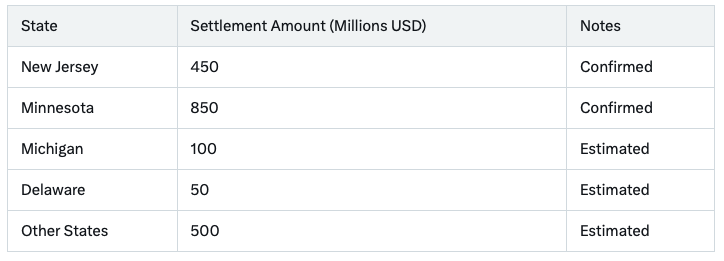
Legal Battleground: Who’s Suing Whom?
By May 2025, the legal landscape features over 15,000 PFAS claims across the U.S., with 31 states officially engaging manufacturers in court. States like New Jersey and Minnesota headline settlements, while municipalities and private plaintiffs target companies for contamination harm. Lawsuits span from environmental damages to personal injuries, reflecting widespread accountability efforts against chemical giants such as 3M and DuPont. Your state’s involvement may hinge on local contamination levels, but the fragmentation of data means you might not see a clear picture of claim distributions or defendants without digging into regional filings and multidistrict litigation updates.
The Nature of Claims: Health, Property, and Environment
Claims you encounter commonly address three core harms: health impacts like cancers and autoimmune diseases; property contamination affecting land and water values; and environmental damage from polluted ecosystems. While water contamination claims dominate, personal injury suits remain active yet unresolved, awaiting court verdicts or settlements that could redefine compensation thresholds for illnesses linked to PFAS exposure.
Key Defendants: Manufacturers and Governmental Entities
The primary defendants in PFAS litigation are large chemical manufacturers, including 3M, DuPont, Chemours, and others accused of knowingly discharging harmful “forever chemicals” into the environment. Some cases extend to governmental bodies blamed for insufficient regulation or cleanup oversight, adding layers to the accountability framework you encounter in these lawsuits.
Manufacturers like 3M have faced massive settlements, such as the $12.5 billion nationwide water contamination deal in 2023 and state-specific agreements like New Jersey’s $450 million settlement in 2025. DuPont and Chemours settled multiple claims totaling over $1 billion related to their Washington Works plant. Meanwhile, municipalities and states sometimes pursue government entities responsible for permitting or failing to control contamination, complicating liability and expanding the spectrum of defendants you may see in ongoing cases.
The Structure of Legal Claims: Class Actions and MDL
Much of the PFAS litigation unfolds within multidistrict litigation (MDL) or class action frameworks designed to consolidate thousands of similar claims. The current PFAS MDL includes over 8,400 lawsuits, streamlining management and discovery processes to handle complex evidence, yet personal injury claims often proceed separately. This structure affects how quickly settlements emerge and how claimants like you experience case progression.
The MDL in the District of South Carolina aggregates lawsuits from across the nation, facilitating coordinated strategy against defendants like 3M and DuPont. However, numerous state-level class actions and individual lawsuits persist outside the MDL, reflecting the diverse legal approaches you might navigate depending on jurisdiction and claim type. Bellwether trials planned for late 2025 seek to establish precedent, potentially accelerating resolutions across the litigation spectrum.
The Numbers Game: Tracking PFAS Litigation
Navigating PFAS litigation is complex, as the total claims surpass 15,000 and continue to grow, but exact breakdowns by state remain elusive. While 31 states have filed suits, the decentralized nature of filings and varying local actions create a challenging landscape to quantify. You’ll find that states like New Jersey and Minnesota dominate with sizable settlements, yet many others pursue litigation quietly. The broad distribution of contamination across nearly half of U.S. tap water suggests claim volumes closely follow population centers and contamination hotspots, even if precise numbers aren’t publicly tallied.
Current Claim Statistics: A Snapshot of Active Lawsuits
As of March 2025, the PFAS multidistrict litigation (MDL) alone reports approximately 8,430 active lawsuits, contributing to the thousands filed nationwide. These focus primarily on water contamination, with thousands more expected as awareness rises. Personal injury claims, linked to cancers and other illnesses, are still pending and could further swell these numbers. Ongoing settlements highlight the litigation’s scale, but the lack of centralized data means you’ll often rely on aggregate MDL figures and state-level updates for the latest snapshots.
Where to Look: Reliable Data Sources for PFAS Claims
Your best information sources combine multidistrict litigation records, state attorney general reports, and environmental watchdog data. The MDL court docket provides up-to-date counts on active suits, while state AG offices frequently publish key settlements and ongoing litigation actions. Nonprofits like the Environmental Working Group (EWG) offer contamination maps that indirectly indicate potential claim hotspots, helping you connect exposure data with legal activity. Still, no single repository captures all filings, so cross-referencing multiple sources is crucial for an accurate view.
You can deepen your understanding by examining the MDL filings that reveal claimant numbers and defendants involved, alongside state-level AG announcements detailing legal strategies and settlements—like New Jersey’s recent $450 million agreement with 3M or Minnesota’s landmark $850 million settlement. Environmental databases, especially those tracking UCMR-5 drinking water PFAS measurements, provide critical context, showing where contamination is most prevalent and likely driving litigation trends. Piecing these together gives you a clearer picture despite data fragmentation.
Timeframes and Trends: Understanding the Claims Landscape
Since 2018, PFAS litigation surged dramatically, with early state settlements like Minnesota’s forming a model for future actions. By August 2023, over 15,000 claims had accumulated, and the volume is rising through May 2025 driven by increased testing and regulatory pressure. You’ll notice waves of claims correlate with new EPA standards and contamination discoveries, emphasizing dynamic litigation growth. Tracking these trends informs your expectations about when more lawsuits and settlements may arise.
Examining timelines reveals litigation moving from initial contamination suits to more nuanced personal injury claims, accelerating as scientific links between PFAS exposure and health ailments strengthen. The 2023 MDL settlement figures and 2024’s $750 million Tyco deal reflect this evolution. Regulatory milestones, such as the EPA’s 2024 drinking water rules, may trigger fresh claims as municipalities and individuals initiate new actions. Watching these patterns helps you anticipate the shifting scope and scale of PFAS legal battles.
Geographic Hotspots: Where Are the Claims?
PFAS claims cluster predominantly in states with known high contamination levels and proactive legal actions. You’ll find concentrated activity in places like New Jersey, Minnesota, Delaware, and Michigan—states that have secured multi-million-dollar settlements and continue litigation. These hotspots reflect the intersection of contaminated water supplies and aggressive state attorney general pursuits, shaping the evolving legal and environmental landscape surrounding PFAS exposures nationwide.

Contamination Concentrations: Identifying Troubled Areas
At least 45% of U.S. tap water contains detectable PFAS levels, with contamination hotspots often near manufacturing sites, military bases, and firefighting training areas. The Environmental Working Group maps over 8,800 contamination sites, highlighting regions like the Midwest and Northeast. These concentrations strongly influence where claims arise, with pollution intensity and public exposure driving both legal actions and settlement negotiations.
State-by-State Breakdown: Notable Regions of Concern
New Jersey and Minnesota stand out with significant settlements—$450 million and $850 million respectively—reflecting extensive contamination and legal progress. Delaware and Michigan also show rising litigation despite less publicized figures. Beyond these states, 31 attorneys general have initiated suits, including Arizona, Illinois, and Pennsylvania, which features municipal lawsuits due to localized water supply impacts. You’ll notice contamination-related claims closely tracking regions with documented PFAS presence but without uniform claim disclosure.
Delving deeper, New Jersey’s aggressive approach resulted in a landmark 2025 $450 million settlement with 3M focused on environmental harm, separate from ongoing personal injury claims. Minnesota’s 2018 $850 million settlement similarly set a precedent for addressing municipal water contamination, with cleanup costs estimated between $14 billion and $28 billion, underscoring the scale of impact. Meanwhile, Delaware’s 2021 settlement followed an extensive attorney general investigation, demonstrating how different states vary in litigation style and transparency. Michigan’s 2023 suit against Asahi Kasei Plastics highlights emerging actions beyond legacy manufacturers, signaling broadening accountability. Collectively, these cases illustrate how legal efforts and settlement sizes correlate with contamination depth and population exposure, even as precise claim counts remain elusive.
Evidence and Studies: Understanding Local and National Impact
U.S. Geological Survey and Environmental Working Group studies confirm widespread PFAS contamination affecting nearly half of drinking water sources. These findings correlate with increased claims and inform regulatory updates like the EPA’s 2024 drinking water standards. Scientific links between PFAS and health effects such as cancer intensify litigation pressure, while contamination maps guide targeted legal strategies and remediation efforts across affected communities.
Expanding on the impact, the 2023 USGS analysis revealed PFAS presence in nearly 45% of sampled water supplies, demonstrating national scope. The Environmental Working Group’s identification of 2,719 sites with confirmed PFAS levels emphasizes localized risk, especially near industrial and military installations. This data grounds many lawsuits, validating exposure claims and justifying large settlements like 3M’s $12.5 billion water contamination agreement. Further, health studies linking PFAS to conditions including kidney cancer and ulcerative colitis amplify personal injury claim momentum within the multidistrict litigation framework, indicating growing complexities in assessing damages tied to both environmental and physiological harm.
Verdicts and Settlements: The Costs of PFAS Claims
PFAS litigation has led to billions in settlements, primarily addressing water contamination across numerous states. While major corporations have agreed to large payouts, much of the financial burden remains tied to long-term cleanup efforts and ongoing lawsuits. You’ll find that settlements focus mostly on environmental restitution, with personal injury claims still unresolved, signaling that the full costs—both financial and health-related—are far from concluded.
Landmark Settlements: Significant Financial Outcomes
The $12.5 billion settlement by 3M in 2023 stands out as the largest, resolving a broad range of water contamination claims, with potential increases up to $13.5 billion. DuPont, Chemours, and Corteva also settled for $1.185 billion in 2023, covering over 3,500 lawsuits tied to their West Virginia plant. These landmark payouts reflect the scale of PFAS contamination and the growing accountability demanded from manufacturers.
State-Level Resolutions: Wins and Ongoing Negotiations
States like New Jersey and Minnesota have led efforts with notable settlements, including New Jersey’s $450 million from 3M in 2025 and Minnesota’s $850 million agreement in 2018. Numerous other states—Delaware, Michigan, and Pennsylvania among them—have secured or pursued settlements, yet many negotiations remain active as contamination and legal actions evolve.
While New Jersey’s 2025 settlement directs over $60 million toward cleanup initiatives starting in 2026, many states still grapple with the scale of PFAS pollution and corresponding legal complexities. Michigan’s and Delaware’s settlements, though less publicly detailed, confirm a broader pattern of state-level litigation addressing localized contamination. These resolutions offer compensation and resources but also highlight ongoing challenges as states pursue further claims and manage remediation costs.
Unresolved Claims: The Future of PFAS Litigation
Personal injury claims connected to PFAS exposure, including those for cancers and ulcerative colitis, remain largely unsettled. The multidistrict litigation’s bellwether cases—focusing on kidney and testicular cancers—could set precedents that reshape future compensations, suggesting a complex litigation landscape ahead.
The pending nature of personal injury suits means you can expect continued legal developments, as scientific evidence evolves and courts weigh manufacturer liability. With hundreds of active lawsuits and limited resolution on health claims, the financial impact of PFAS litigation is likely to expand, affecting insurers, manufacturers, and potentially your community’s access to safe water.

A Look Ahead: Ongoing Legal Challenges and Predictions
As PFAS litigation progresses, you’ll encounter complex dynamics shaping the legal landscape. Challenges persist in managing the rising volume of claims and the evolving regulatory framework. With states expanding actions and new scientific findings influencing courts, settlements could increase significantly. Meanwhile, personal injury claims remain unresolved, potentially leading to a new wave of lawsuits and compensation demands. Expect continued momentum as public awareness grows and legal strategies adapt to emerging evidence and regulations.
Current Active Cases: The Dynamics of Litigation
By March 2025, the PFAS multidistrict litigation (MDL) reported over 8,430 active lawsuits, reflecting intense ongoing legal activity. These cases largely center on environmental contamination, but personal injury suits are gaining traction, with bellwether trials for kidney and testicular cancer planned. States like New Jersey, Minnesota, and Pennsylvania remain at the forefront, balancing large settlements and fresh filings. You should anticipate this volume growing as discovery unfolds and new exposures come to light.
Regulatory Changes: How New Standards Could Fuel Claims
The EPA’s April 2024 drinking water standards, setting limits for multiple PFAS compounds, are creating increased legal pressure. They require more systems nationwide to test and disclose PFAS levels, potentially revealing new contamination areas. This regulatory tightening will likely spark additional claims from communities and municipalities facing compliance costs and health risks, expanding litigation beyond traditional hotspots.
Diving deeper, the EPA’s updated standards mark a significant shift by establishing enforceable limits for six PFAS chemicals, with more under review. This compels public water systems serving millions to conduct frequent, detailed testing under the UCMR-5 program and report findings publicly. As these data become available, you will likely see a spike in lawsuits from regions previously unaware of contamination. Legal teams are already preparing to leverage these findings, arguing for expanded manufacturer liability and demanding comprehensive remediation funding as states grapple with costly cleanup efforts.
The Future of PFAS Claims: Trends in Testing and Awareness
Ongoing advances in PFAS detection technology and broader public knowledge will drive more claims. Innovative testing methods lower detection thresholds, uncovering contamination in previously overlooked areas. Coupled with greater health risk awareness, individuals and local governments are increasingly motivated to pursue litigation, potentially reshaping the scale and scope of future claims.
Expanding on this trend, newer analytical techniques can identify PFAS in water at parts-per-trillion levels, revealing the chemical’s pervasiveness far beyond earlier estimates. Public health campaigns and media coverage have also elevated community vigilance, pushing advocacy groups and residents to demand accountability. This surge in testing and information accessibility empowers you to recognize contamination risks firsthand, fueling a burgeoning pipeline of legal action that may shift settlement dynamics and regulatory enforcement for years to come.
The Broader Implications of PFAS Litigation
The ripple effects of PFAS litigation extend far beyond courtroom battles, touching upon public health, environmental management, and corporate practices. Settlements totalling over $15 billion highlight the scale of environmental harm while ongoing personal injury claims emphasize the uncertain human toll. The widespread contamination of nearly half the U.S. tap water forces you to consider not only legal accountability but also how policy shifts and increased transparency may reshape approaches to persistent chemical pollution nationwide.
Health Risks and Public Awareness: The Human Cost
PFAS exposure links to serious health conditions like cancer and ulcerative colitis, driving many claims yet to be resolved. Awareness campaigns and scientific findings now reach millions, alerting you to the invisible dangers lingering in tap water. The personal injury lawsuits pending in the multidistrict litigation suggest a growing acknowledgment of the direct human impact, underscoring why you, as a consumer, need to stay informed about local water quality and potential long-term effects.
Environmental Responsibility and Policy Changes
Regulatory momentum is building as states and the EPA implement stricter standards to address PFAS contamination. You’re seeing new mandates for water systems to test and limit PFAS levels, reflecting a shift toward proactive environmental stewardship. These policy changes aim not just to control existing pollution but to prevent future contamination, marking a transformative era for water safety and chemical regulation.
In response to extensive litigation and mounting scientific evidence, the EPA’s April 2024 drinking water standards require thousands of systems nationwide to monitor and reduce PFAS compounds. This regulatory shift compels industries to adapt their practices while providing affected communities with greater protection. States like New Jersey and Minnesota lead by example in allocating settlement funds toward comprehensive cleanup programs. Through these combined efforts, you’re witnessing a systemic change in accountability, with policy increasingly reflecting environmental and public health priorities.
Corporate Accountability: Shifting the Burden of Pollution
Recent settlements illustrate that manufacturers are finally being held financially responsible for decades of PFAS pollution. You’ll note that companies like 3M and DuPont have agreed to multi-billion-dollar payouts, signaling a notable shift in how liability is assigned for environmental damage. This trend encourages corporations to rethink their practices to avoid future litigation and reputational harm.
Legal strategies have moved from blaming only local polluters to targeting chemical producers for their role in creating and distributing PFAS. This broader approach puts pressure on corporations to internalize the costs of contamination rather than externalizing them onto communities and taxpayers. Publicly available settlements, such as 3M’s $12.5 billion agreement and DuPont’s $1.185 billion payout, reflect industry acknowledgment of responsibility and may catalyze stricter corporate governance and safer chemical innovation moving forward.
FAQ
Q: How many PFAS water contamination claims have been filed to date?
A: By August 2023, over 15,000 PFAS water contamination claims had been filed. This number has likely increased as of May 2025 due to growing awareness and ongoing litigation, but the exact total is not publicly available.
Q: Are there specific numbers of PFAS claims filed per state?
A: No, there is no centralized public database providing exact claim counts per state. Litigation data is decentralized, making it difficult to determine precise numbers by state, although 31 states have initiated legal actions.
Q: Which states have been most active in filing PFAS water contamination lawsuits?
A: States such as New Jersey, Minnesota, Delaware, and Michigan have shown significant activity in PFAS litigation. These states have reached notable settlements and have ongoing lawsuits related to water contamination.
Q: Is the number of PFAS claims related to population size or contamination levels?
A: Evidence suggests a likely correlation between the number of claims, population size, and PFAS contamination levels. Approximately 45% of U.S. tap water has detectable PFAS, indicating widespread exposure that may influence claim volumes, though exact state-to-claim ratios are unavailable.
Q: What challenges exist in tracking the total number of PFAS claims?
A: A major challenge is the absence of a centralized resource consolidating all claims, as data is spread across multiple courts and jurisdictions. Additionally, ongoing settlements and new filings continually change the total claim count.
Q: How do personal injury claims factor into the total PFAS litigation numbers?
A: Most settled claims currently focus on environmental contamination, particularly water pollution. Personal injury claims, involving health conditions linked to PFAS exposure such as cancer, are largely pending and may increase the total number of lawsuits in the coming years.
Q: Could future regulations impact the number of PFAS claims filed?
A: Yes. For example, new EPA drinking water standards introduced in April 2024 may require more testing and compliance measures, potentially leading to an increase in PFAS contamination reports and subsequent legal claims.