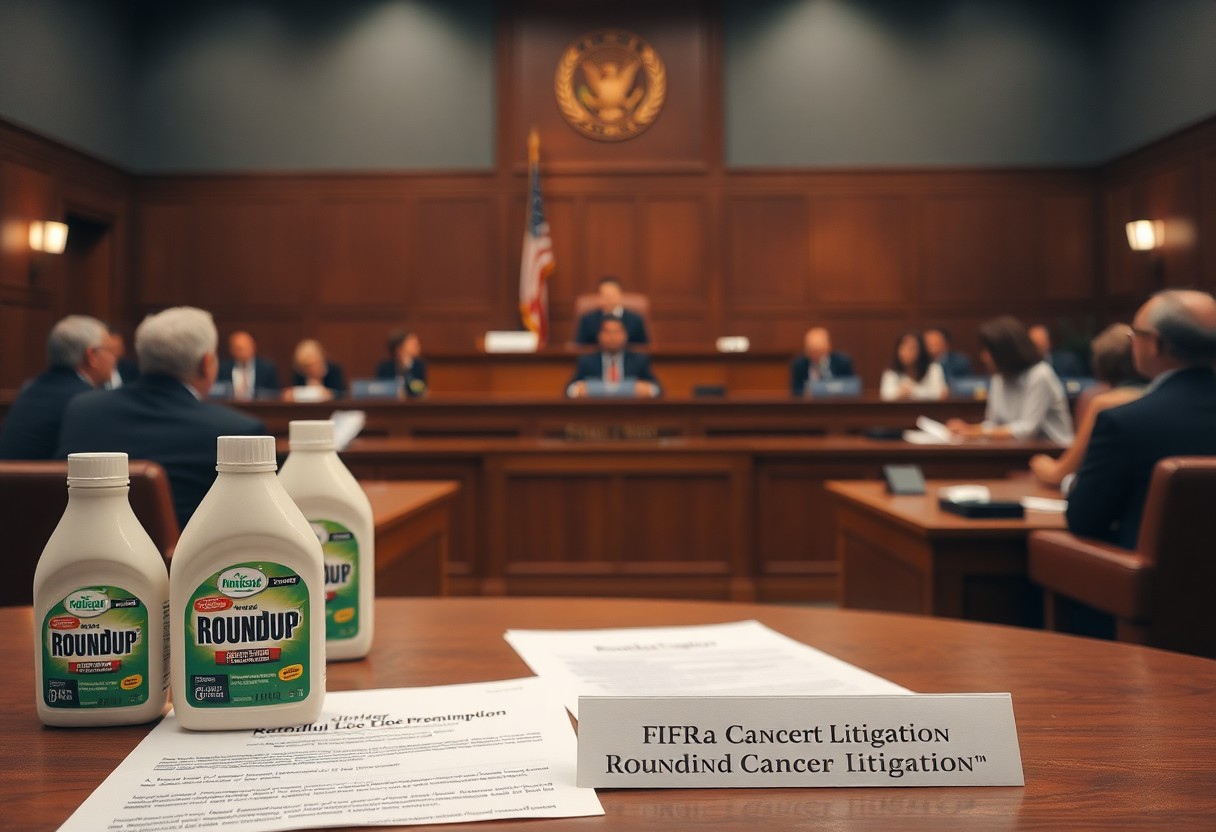
Preemption plays a significant role in the ongoing Roundup cancer litigation, as it raises questions about the extent to which federal law can shield manufacturers from state-level claims. You may wonder how the Federal Insecticide, Fungicide, and Rodenticide Act (FIFRA) affects your rights if you have been impacted by Roundup. Understanding how FIFRA preemption operates is vital for grasping the challenges faced by plaintiffs in holding companies accountable for potential health risks associated with glyphosate-based products. This article investigates into the implications of preemption in the context of these high-profile lawsuits.
Key Takeaways:
- FIFRA preemption may limit state-level claims against glyphosate manufacturers.
- Courts have ruled that FIFRA’s federal regulatory framework overrides certain state laws.
- Previous cases highlight the tension between federal regulation and state tort claims.
- Litigants argue that FIFRA does not preclude all types of liability for herbicide-related injuries.
- The outcome of future litigation may hinge on interpretations of FIFRA and relevant legal precedents.
- Strategies may evolve as new evidence about glyphosate’s carcinogenicity emerges.
- Ongoing litigation could shape regulatory approaches and public perception of glyphosate use.
Background of FIFRA
Overview of the Federal Insecticide, Fungicide, and Rodenticide Act (FIFRA)
The Federal Insecticide, Fungicide, and Rodenticide Act (FIFRA) is a key piece of legislation enacted in 1947 that governs the registration, distribution, sale, and use of pesticides in the United States. Administered by the Environmental Protection Agency (EPA), FIFRA aims to ensure that pesticides do not pose unreasonable risks to human health or the environment, thereby establishing a regulatory framework that pesticide manufacturers must adhere to for products to enter the market.
Purpose and Scope of FIFRA Regulations
The primary purpose of FIFRA regulations is to protect public health and the environment by overseeing pesticide use and ensuring safety through scientific assessment. The law requires manufacturers to demonstrate the efficacy and safety of their products before approval, promoting responsible management of chemical substances that can affect ecosystems, agriculture, and consumer safety.
FIFRA’s stringent guidelines encompass the entire pesticide lifecycle. From initial registration to labeling and post-market surveillance, EPA evaluations consider potential health impacts on humans, wildlife, and plants. The act also outlines the necessary data that companies must provide, including toxicological studies and usage data, which can greatly influence litigation involving pesticide-related health claims.
Historical Context of FIFRA and its Impact on Pesticide Litigation
FIFRA has significantly shaped pesticide litigation since its inception, providing a regulatory framework that can complicate liability claims against manufacturers. By establishing EPA as the authority on pesticide safety, FIFRA preempts certain state law claims, which can limit legal avenues for individuals affected by pesticide-related health issues, such as those linked to glyphosate in Roundup.
Historically, the act arose in response to public health concerns and incidents of pesticide-related harm. Over the decades, amendments to FIFRA have incorporated new scientific findings and environmental considerations. Legal challenges, driven by emerging evidence of health risks, often collide with FIFRA’s federal regulations, leading to complex court rulings that can hinge on the interpretation of preemption and regulatory authority. As a result, FIFRA’s framework continues to play a pivotal role in shaping outcomes in pesticide litigation today.
The Science of Glyphosate
Chemical Composition and Use of Glyphosate
Glyphosate, the active ingredient in many herbicides, is a broad-spectrum systemic herbicide that targets weeds and grasses. Chemically classified as an organophosphorus compound, it inhibits a specific enzyme pathway crucial for plant growth, making it highly effective for agricultural and non-agricultural applications, including garden maintenance and roadside vegetation control.
Health Implications Associated with Glyphosate Exposure
Exposure to glyphosate has raised significant health concerns among various populations, with potential links to respiratory issues, skin irritations, and more severe conditions, such as cancer. Occupational exposure, particularly among agricultural workers, has been the focus of numerous studies aimed at understanding these health risks.
Health risks of glyphosate exposure are particularly pronounced in individuals frequently in contact with the chemical, such as farmers and landscapers. The International Agency for Research on Cancer (IARC) classified glyphosate as “probably carcinogenic in humans,” which has fueled ongoing debates regarding its safety in agriculture and led to increased public scrutiny. Researchers have linked glyphosate exposure to non-Hodgkin lymphoma, emphasizing the need for precautionary measures and further investigation into its long-term effects.
Scientific Studies and Their Findings on Glyphosate and Cancer Risk
Numerous scientific studies have explored the potential cancer risks associated with glyphosate. These studies vary in design and outcomes, with some indicating an increased risk for certain cancers among exposed individuals, while others have found no significant association. The conflicting results complicate the regulatory assessment of glyphosate as a safe herbicide.
The research landscape surrounding glyphosate and cancer risk includes case-control studies, cohort studies, and meta-analyses, each providing unique insights. Notably, a 2019 meta-analysis revealed that individuals with higher glyphosate exposure had a 41% increased risk of developing non-Hodgkin lymphoma. However, regulatory bodies like the U.S. Environmental Protection Agency (EPA) have maintained that glyphosate is unlikely to pose a cancer risk, highlighting the complex interplay between epidemiological evidence and regulatory standards in the ongoing discourse over glyphosate safety.
Overview of Roundup Litigation
Historical Development of Roundup Litigation Cases
Roundup litigation began in earnest around 2015, escalating after the World Health Organization’s IARC designated glyphosate as a probable human carcinogen. Early cases challenged the safety of Roundup, resulting in a growing body of lawsuits from individuals claiming health issues linked to the product.
Key Plaintiffs and Landmark Cases
Notable plaintiffs, such as Dewayne Johnson, brought significant attention to Roundup litigation, achieving landmark victories. Johnson’s case in 2018 marked a pivotal moment, with a jury awarding him $289 million, underscoring the potential liabilities facing manufacturers.
Johnson’s case was based on his diagnosis of non-Hodgkin lymphoma, which he attributed to prolonged exposure to Roundup while working as a groundskeeper. This significant verdict catalyzed a wave of similar lawsuits, prompting other plaintiffs to share their stories of health challenges linked to glyphosate exposure, reinforcing the litigation momentum against Bayer, the parent company of Roundup’s manufacturer, Monsanto. Subsequent cases continued to build on Johnson’s precedent, increasing pressure on the company to address potential health risks associated with their products.
Trends in Jury Awards and Litigation Outcomes
Litigation outcomes have revealed substantial variability in jury awards, reflecting the emotional weight of cases and the health impacts claimed by plaintiffs. Some trials have concluded with multi-million dollar verdicts, while others resulted in dismissals or lower compensations.
The trend indicates an unsettling willingness by juries to hold companies accountable, as seen in multiple high-stakes rulings. Many cases resulted in awards reaching hundreds of millions, ultimately challenging corporate strategies for future defenses. The frequency of appeals and subsequent settlements also illustrates the unpredictability of litigation outcomes, suggesting a complex legal landscape shaped by public sentiment and evolving scientific consensus on glyphosate’s safety.
Legal Foundations of Preemption
Definition of Preemption in the Context of Federal Law
Preemption in federal law occurs when a federal statute supersedes or nullifies state laws that conflict with it. This principle is rooted in the Supremacy Clause of the U.S. Constitution, which establishes that federal law takes precedence over state law whenever the two are in conflict, impacting areas such as regulatory compliance and legal liability.
Types of Preemption: Express and Implied
There are two primary types of preemption: express and implied. Express preemption arises when a federal law explicitly states that it overrides state regulations, while implied preemption happens when federal law is so comprehensive that it leaves no room for state regulation or when state law interferes with the objectives of federal law. This differentiation plays a critical role in legal arguments surrounding Roundup litigation.
| Type of Preemption | Description |
| Express Preemption | Federal law explicitly states its dominance over state law. |
| Implied Preemption | Federal law is comprehensive or state law conflicts with federal objectives. |
| Field Preemption | Federal law occupies a regulatory field, leaving no room for state laws. |
| Conflict Preemption | State law conflicts with federal law, making compliance impossible. |
- Recognizing the distinction between these types of preemption is important when analyzing the legal landscape of Roundup litigation.
The Role of Federal Agencies in Preemption
Federal agencies play a significant role in determining the scope and application of preemption. They are responsible for administering federal laws and regulations, which can impact state legislative authority, particularly in environmental and health-related cases. Their assessments and rulings can provide crucial guidance in legal disputes involving products like Roundup.
Federal agencies, such as the Environmental Protection Agency (EPA), have the authority to set standards that explicitly preempt state regulations. For instance, if the EPA registers a pesticide and establishes safety standards, state laws that conflict with those standards may be deemed preempted. This can directly affect litigation outcomes by limiting state claims based on local regulations or perceived product hazards.
FIFRA Preemption Explained
The Preemptive Effect of FIFRA on State Law
The Federal Insecticide, Fungicide, and Rodenticide Act (FIFRA) establishes federal regulations for the approval and labeling of pesticides, preempting state laws that impose additional requirements. This preemption means state courts cannot hold manufacturers liable for failing to include warnings or information not mandated by FIFRA. Consequently, if you’re involved in litigation related to Roundup, understanding FIFRA’s preemptive effects is vital for assessing your case’s viability.
Legal Challenges Against FIFRA Preemption
Legal challenges to FIFRA preemption often argue that state laws addressing consumer safety are necessary and valid. Plaintiffs claim that FIFRA does not equally protect public health, particularly with concerns surrounding Roundup’s alleged carcinogenicity. These cases highlight tension between federal authority and state rights to regulate agricultural chemicals.
Recent lawsuits attempt to position state laws as imperative for consumer protection against pesticides like Roundup. Courts have heard arguments suggesting FIFRA should not bar claims based on failure to warn about health risks not covered by federal labeling. In some instances, state-level actions are framed as supplementing, rather than undermining, federal regulations. The ongoing contention raises significant questions about the limits of federal preemption concerning public health issues.
Landmark Supreme Court Cases Related to FIFRA Preemption
Your understanding of preemption’s influence becomes clearer when examining the varying judgments in state courts. In some instances, the rejection of preemption has allowed juries to consider compelling evidence of liability, resulting in substantial verdicts against Monsanto. However, in jurisdictions favoring preemption, litigants face steep obstacles, often leading to case dismissals before reaching trial. This dichotomy illustrates how pivotal preemption can be in determining not just the viability of claims, but also the broader accountability of pesticide manufacturers.
Case Studies of Preemption in Roundup Litigation
- 163 F. Supp. 3d 229 (2016) – A case dismissed by the court, citing FIFRA preemption, which argued that regulatory approvals shielded Monsanto from state law claims.
- In Re: Roundup Products Liability Litigation (2018) – This multidistrict litigation saw several cases dismissed on preemption grounds, demonstrating a tendency among judges to favor federal authority.
- Johnson v. Monsanto Co. (2018) – A notable case where the jury found for the plaintiff, but subsequent appeals raised preemption issues, highlighting the tension between state liability and federal standards.
- Hardeman v. Monsanto Co. (2019) – This case resulted in a significant jury verdict against Monsanto, creating tension between the jury’s findings and FIFRA’s preemption arguments in appellate discussions.
- Gonzalez v. Monsanto Co. (2020) – The court deliberated preemption following a jury award; decisions here are critical for understanding future litigation dynamics.
Analysis of Key Cases with Preemption Arguments
In reviewing key cases, the use of FIFRA preemption has frequently been pivotal in legal outcomes. Several courts dismissed claims citing that federal regulations provided adequate product safety assurances, effectively limiting the scope of state law tort claims. This pattern underscores ongoing debates regarding the balance of federal oversight versus state enforcement in litigation.
Judicial Interpretation of Preemption in Various Jurisdictions
Your understanding of judicial interpretation can benefit from examining different jurisdictions’ approaches to preemption. Courts in states like California have been more willing to consider state law claims, while others apply a strict preemption doctrine, leading to varying outcomes across the country.
In California, for instance, courts have sometimes favored plaintiffs by allowing claims based on state law, emphasizing consumer safety. Conversely, jurisdictions like Texas and Illinois have leaned towards strict preemption, arguing that FIFRA should govern pesticide regulation exclusively. This divergence illustrates how local regulatory environments can influence judicial decisions, shaping the landscape for future Roundup litigation and its relationship with FIFRA.
Implications of Rulings on Future Cases
Rulings on preemption bear significant implications for your understanding of future Roundup cases. Courts’ increasing reliance on FIFRA preemption can limit plaintiffs’ claims, potentially deterring litigation based on state laws regarding product safety.
As these judicial trends continue, your ability to navigate Roundup legal challenges may hinge on understanding the broader preemption landscape. Future litigation might see an escalation in preemption arguments, leading to fewer successful claims against manufacturers under state laws. Legal strategies will likely evolve, concentrating on navigating these complex jurisdictional differences to maximize the chances of success in product liability cases.
The Role of Regulatory Agencies
E PA’s Role in Pesticide Approval and Safety Standards
The Environmental Protection Agency (EPA) is fundamental in evaluating and approving pesticide products. Before a pesticide like Roundup can be marketed, the EPA assesses its efficacy and potential health risks, considering various studies and data. This rigorous review process aims to set safety standards and ensure that any pesticide allowed on the market meets minimum safety requirements. While the EPA’s oversight is crucial, it has faced criticism regarding the depth of its evaluations, particularly regarding long-term exposure effects.
Interaction Between State Regulations and Federal Standards
The relationship between state regulations and federal standards under FIFRA creates a complex landscape for pesticide litigation. While FIFRA preempts state laws that impose additional or different labeling requirements, states still possess the authority to regulate pesticide application practices and enforce safety standards, leading to potential conflicts and variances in legal interpretations across jurisdictions.
This dual regulatory framework allows states to implement stricter rules than those established by the EPA. For instance, some states have enacted their restrictions on glyphosate use, diverging from federal standards. However, when litigating Roundup cases, the interplay of federal preemption often complicates these state-level regulations, as courts may dismiss state claims based on FIFRA’s overarching authority. This discrepancy can frustrate efforts to hold manufacturers accountable and limit consumer protections.
Future Directions for Regulatory Frameworks
Looking ahead, regulatory frameworks concerning pesticides may evolve due to growing public concern and scientific research on chemical safety. The EPA could strengthen its evaluation processes or streamline data reviews, incorporating emerging research regarding health impacts and environmental sustainability. Changes in regulatory measures could also be influenced by increased advocacy for more stringent safety protocols.
Future modifications may involve enhanced collaboration between the EPA and state agencies, fostering a cohesive approach to pesticide regulation. Consideration of cumulative exposure risks, longer-term health studies, and a focus on alternative pest management strategies could lead to more refined regulations. As public awareness of chemical safety rises, regulators might adopt more transparent processes and engage in open dialogues with stakeholders to adapt to emerging scientific evidence, shaping safer pesticide use in agricultural practices.
Public Perception and Media Influence
Impact of Media Coverage on Roundup Litigation
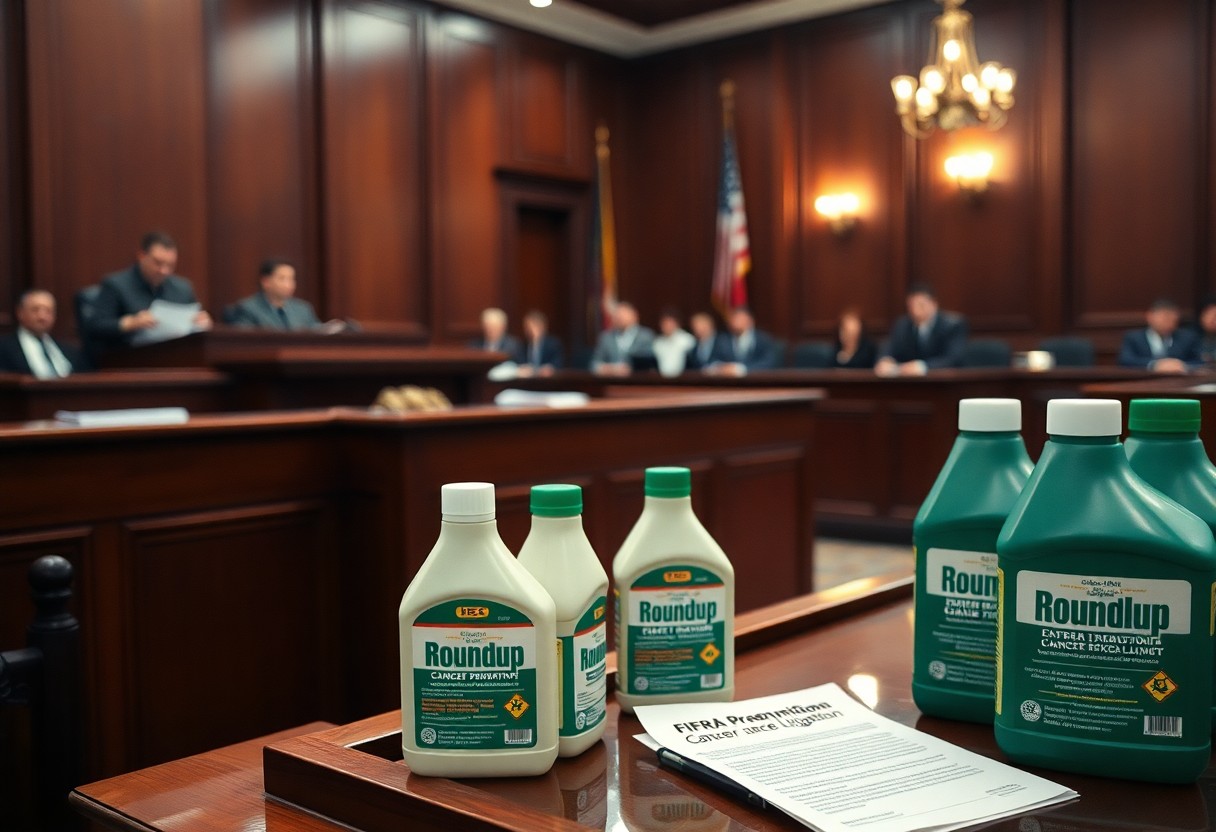
Media coverage has significantly shaped public understanding and perception of Roundup litigation. High-profile cases and extensive reporting on the dangers associated with glyphosate have heightened awareness, often presenting the litigation as a battle between consumer safety and corporate interests. This extensive coverage fuels public concern and scrutiny toward the product, influencing jury opinions in ongoing trials.
Public Attitudes Toward Pesticides and Safety
Surveys indicate that a substantial portion of the public harbors skepticism about the safety of pesticides like Roundup. Concerns about health risks connected to long-term exposure drive a growing demand for transparency and stricter regulations. Many consumers prioritize organic and environmentally friendly alternatives, reflecting a shift in attitudes towards chemical usage in agriculture.
Research shows that 75% of consumers believe pesticide use poses a significant risk to health, prompting many to actively seek products deemed safer. This skepticism often stems from reports linking glyphosate to serious health issues, including cancer, influencing consumers to question agricultural practices and push for organic options. The widespread embrace of social media amplifies these concerns, spreading information quickly and fostering community discussions around pesticide safety.
The Role of Advocacy Groups in Shaping Perception
Advocacy groups play a prominent role in shaping public perception regarding glyphosate and Roundup. Organizations focused on health and environmental issues, such as the Environmental Working Group, highlight potential dangers associated with the use of agricultural chemicals. By mobilizing communities and leveraging social media, these groups amplify concerns and encourage legislative action.
Through campaigns and educational initiatives, advocacy groups raise awareness about the alleged risks posed by glyphosate, often sharing testimonials from affected individuals. For instance, initiatives like “Glyphosate: Not in My Food” seek to inform consumers while prompting retailers to adopt glyphosate-free products. Their efforts can sway public opinion significantly, impacting legislative actions and contributing to an environment of heightened scrutiny over pesticide regulations.
Economic Implications of Roundup Litigation
Cost-Benefit Analysis of Glyphosate Use
The economic advantages of glyphosate, primarily in agriculture, are significant. It boosts crop yields, reduces the need for tillage, and lowers labor costs. However, the potential costs related to litigation and health concerns associated with glyphosate use must be weighed against these benefits. As legal outcomes evolve, your assessment of glyphosate’s economic viability needs continual adjustment to reflect legal risks and emerging scientific data.
Potential Impact on Agricultural Practices and Farmers
Roundup litigation may compel farmers to reconsider herbicide reliance, affecting their crop management strategies. As lawsuits raise awareness about health risks, you might find yourself exploring alternative practices, such as integrated pest management or organic farming. These shifts can lead to increased operational costs or shifts in productivity, contingent upon local market demands and regulatory frameworks.
Shifting to alternative agricultural practices can disrupt established farming methods, requiring investment in new systems, training, and technology. You face potential yield reductions during the transition period as you adapt to these changes. The financial implications may vary based on your specific crops, location, and market conditions, making it important to evaluate the long-term sustainability of these practices in light of Roundup litigation.
Insurance and Liability Concerns for Manufacturers
The ongoing legal landscape surrounding glyphosate could lead insurers to increase premiums, further squeezing your profitability. Additionally, sustained litigation may result in product recalls or restrictions, which can significantly disrupt your supply chain and financial stability, highlighting a critical need for proactive liability management as you assess future risks and opportunities in the agricultural arena.
Future of Glyphosate and Pesticide Regulations
Emerging Research and Its Implications
Recent studies have identified potential links between glyphosate and various health risks, prompting renewed scrutiny. Research focusing on long-term exposure effects and alternative formulations may influence public perception and regulatory responses. Scientific reviews suggesting possible carcinogenicity could sway legislative action toward stricter regulations, affecting your agricultural practices and overall pesticide management.
Trends in Legislation and Regulatory Changes
Legislative activity surrounding glyphosate is evolving, with various states implementing stricter regulations or proposing bans. States like California and New York are leading efforts to restrict glyphosate’s use, reflecting a growing trend toward heightened safety standards that may impact your access to these products.
These legislative shifts often stem from community advocacy and mounting evidence linking glyphosate to health issues. As public concern increases, you may see more states and local governments introducing initiatives that prioritize public health over agricultural convenience. Legal challenges continue to fuel this movement, motivating lawmakers to reconsider existing regulations. Your awareness of these trends could be pivotal in understanding the future landscape of pesticide use.
Predictions for the Future of Glyphosate Use
As more research emerges and public sentiment shifts, predictions regarding glyphosate use suggest a potential decline in its acceptance in mainstream agriculture. Increased scrutiny and regulatory changes may lead to the development and preference for alternatives, impacting your choices as an agricultural producer or consumer.
The trajectory of glyphosate use will likely be influenced by ongoing scientific studies and legal outcomes. If emerging research consistently highlights health risks, you may witness significant reductions in glyphosate applications and a push toward organic farming practices. Additionally, as consumer demand for safer food products grows, manufacturers could pivot away from glyphosate-based solutions, reshaping the agricultural landscape and your purchasing decisions.
Ethical Considerations in Cancer Litigation
Ethical Implications for Legal Practices
Your approach to cancer litigation must encompass a rigorous evaluation of ethical practices. Legal representatives face pressures to prioritize financial gains over the welfare of clients, potentially compromising integrity and trust. Upholding ethical standards ensures that justice is served and clients receive a fair assessment of their circumstances, aligning legal strategies with moral accountability.
The Responsibility of Manufacturers vs. Public Health
Manufacturers bear significant accountability for the products they produce, particularly when consumer safety is at stake. The tension lies in balancing profit margins against the potential health risks that may arise from exposure to hazardous substances like glyphosate. This challenge becomes ethical when considering consumer rights versus corporate interests, raising questions about transparency and responsibility.
The historical context of Roundup’s development plays a pivotal role in understanding manufacturer responsibilities. As scientific evidence emerged linking glyphosate to cancer, the onus should have shifted toward effective risk communication and necessary product reformulations. Cases like Dewayne Johnson’s, where the jury awarded significant damages due to Bayer’s alleged knowledge of Roundup’s carcinogenic risks, highlight the ethical imperative for manufacturers to disclose potential harms, ensuring public safety is prioritized over commercial success.
Balancing Scientific Evidence and Legal Standards
In litigation, aligning scientific evidence with legal standards presents a complex challenge. You must navigate the intricacies of admissible evidence while considering how courts interpret scientific findings within the legal framework, often resulting in contentious battles over what data is deemed relevant and credible.
Judicial systems vary in how they assess scientific evidence, impacting litigation outcomes. The Daubert standard requires judges to act as gatekeepers, ensuring that expert testimony is based on sound scientific principles. As seen in Roundup cases, differing interpretations of this standard can lead to inconsistent results. This underscores the complexity of integrating established research with evolving legal definitions, often leaving plaintiffs vulnerable to subjective judgments rather than objectively evaluated facts. The pursuit of justice hinges on the ability to effectively communicate scientific findings while adhering to legal standards.
Summary of Key Findings
Recap of FIFRA and Its Effects on Roundup Litigation
FIFRA, or the Federal Insecticide, Fungicide, and Rodenticide Act, establishes a regulatory framework for pesticide approval and use in the United States. Its preemption clause limits state-level pesticide regulation, impacting Roundup litigation by allowing manufacturers to argue that federal approval undermines claims of insufficient warnings or safety concerns, thereby complicating consumer lawsuits.
Analysis of Preemption’s Role in Current Legal Landscape
Your understanding of FIFRA’s preemption in the context of Roundup litigation reveals its significant influence on case outcomes. Courts have frequently upheld preemption, limiting plaintiffs’ ability to sue based on state law claims that contradict EPA regulations, which creates hurdles for proving liability against companies like Monsanto.
The Intersection of Science, Law, and Public Policy
The interplay between scientific research on glyphosate and legal frameworks surrounding Roundup deepens the complexity of litigation. As studies connect glyphosate exposure to health risks, you’d find that public policy increasingly reflects these findings, yet legal interpretations of preemption may still restrict how this science impacts legal accountability.
This intersection illustrates how evolving scientific consensus can challenge stagnant legal protections. When emerging data suggests health risks associated with glyphosate, you might expect lawmakers to reconsider regulatory policies. However, the barriers posed by FIFRA preemption can keep critical safety discussions sidelined, impeding effective public health responses and influencing litigation outcomes against glyphosate manufacturers.
Final Words
So, as you navigate the complexities of Roundup cancer litigation, it’s important to consider how FIFRA preemption might impact your case. This legal framework, designed to safeguard pesticide users from different state regulations, may pose significant challenges to your claims. Understanding the nuances of preemption can shape your strategy, influencing the potential outcomes of litigation. Staying informed and adapting to these legal dynamics will be key in your pursuit of accountability and justice.
FAQ
Q: What is FIFRA preemption?
A: FIFRA preemption refers to the legal principle that federal law governing pesticide registration and labeling under the Federal Insecticide, Fungicide, and Rodenticide Act (FIFRA) may limit or eliminate state law claims regarding pesticide safety and labeling.
Q: How does FIFRA preemption relate to Roundup cancer litigation?
A: In Roundup cancer litigation, defendants argue that FIFRA preempts state law claims because the product’s labeling and safety were approved by the Environmental Protection Agency (EPA). Plaintiffs may face challenges in bringing state claims due to this preemption.
Q: What type of claims can be preempted by FIFRA?
A: Claims related to labeling, safety, and marketing of pesticides can be preempted. This includes failure-to-warn claims, design defect claims, and other state law tort claims that conflict with federal law.
Q: Are there exceptions to FIFRA preemption?
A: Yes, some courts have allowed claims that do not directly challenge the labeling of pesticides or those that assert that the product was not used as directed, which can sometimes bypass FIFRA preemption.
Q: How have courts interpreted FIFRA preemption in Roundup cases?
A: Courts have varied in their rulings; some support preemption, while others have permitted certain state law claims to proceed, creating a complex legal landscape for plaintiffs.
Q: What impact does FIFRA preemption have on potential outcomes of litigation?
A: If FIFRA preemption is upheld, it can significantly decrease plaintiffs’ chances of success by limiting their ability to argue claims grounded in state laws, possibly resulting in dismissals or settlements.
Q: What should plaintiffs focus on to navigate the challenges of FIFRA preemption?
A: Plaintiffs should focus on building strong cases that emphasize evidence unrelated to labeling and safety claims, explore possible exceptions to preemption, and understand the jurisdiction-specific interpretations of FIFRA.