
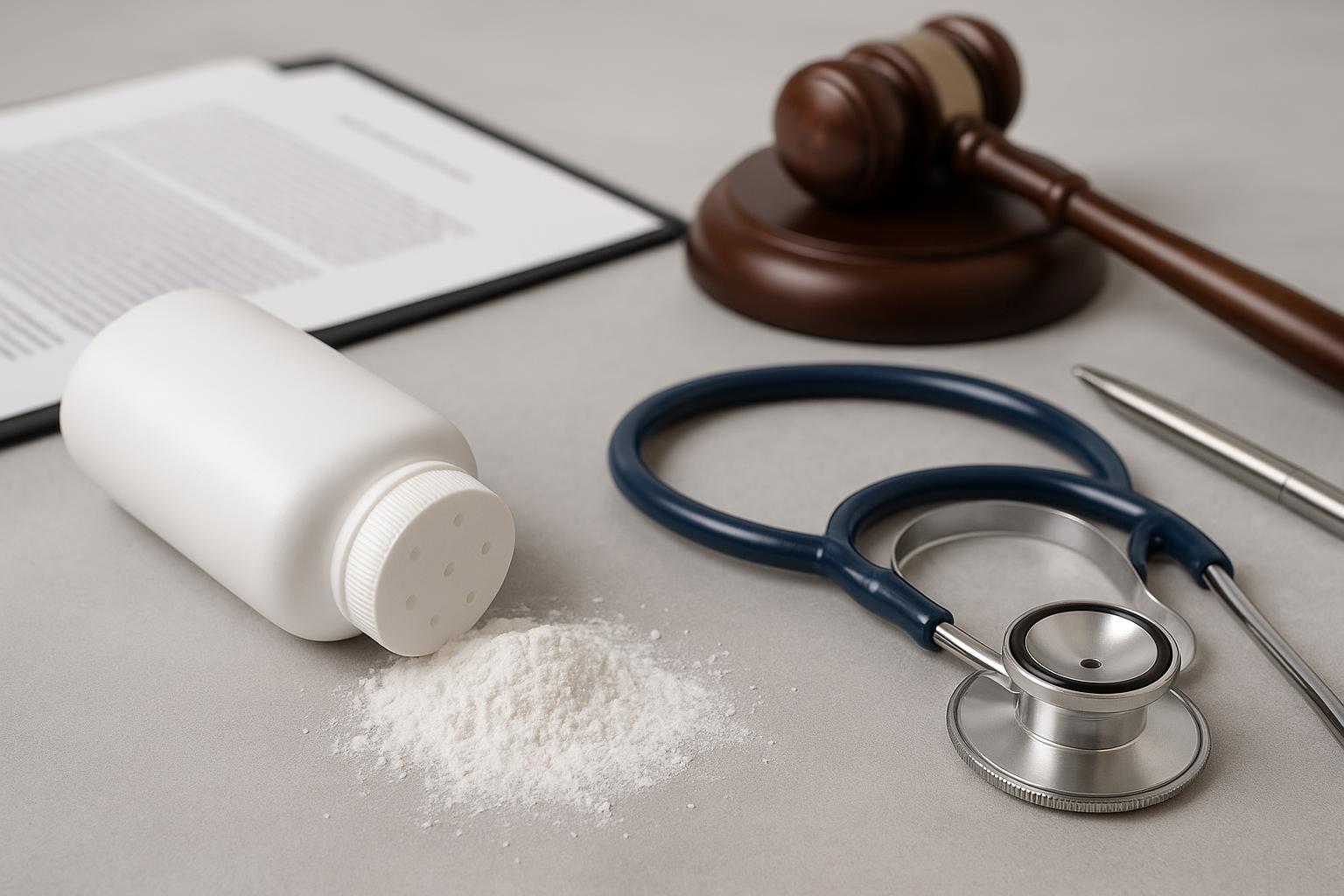
Thousands of women have filed a talcum powder ovarian cancer lawsuit after developing ovarian cancer allegedly linked to long-term use of talc-based products. These lawsuits claim that manufacturers failed to warn consumers about potential cancer risks. If you or a loved one were diagnosed with ovarian cancer after using talcum or baby powder, understanding your legal options is critical.
Before time runs out, find out if you qualify for a talcum powder ovarian cancer lawsuit and learn what evidence, eligibility, and compensation factors may apply to your case.
Understanding the Link Between Talcum Powder and Ovarian Cancer
Talc is a naturally occurring mineral used in many cosmetic and hygiene products for its moisture-absorbing properties. However, research has raised concerns that talc particles may travel through the reproductive system and cause inflammation in the ovaries, potentially leading to cancer. Studies published on PubMed and other medical databases have explored this possible connection for decades.
While not all studies agree, several have found an increased risk of ovarian cancer among women who regularly used talcum powder in the genital area. The National Cancer Institute notes that ongoing research continues to evaluate this potential link.
Recognizing Talc Ovarian Cancer Diagnosis Symptoms
Ovarian cancer often develops silently, with symptoms appearing only in later stages. Women who used talcum powder regularly should be aware of the following warning signs:
- Persistent abdominal bloating or swelling
- Pelvic or lower back pain
- Changes in bowel or bladder habits
- Unexplained fatigue or weight loss
- Loss of appetite or feeling full quickly
Because these symptoms can mimic other conditions, early detection is difficult. If you experience these symptoms, consult a gynecologic oncologist for evaluation and discuss your history of talc use.
Eligibility to File a Talcum Powder Ovarian Cancer Lawsuit
To file a talcum powder lawsuit, you must meet certain eligibility criteria. Generally, claimants must show:
- A confirmed diagnosis of ovarian cancer
- Regular or long-term use of talcum or baby powder in the genital area
- Medical or scientific evidence linking talc exposure to the diagnosis
- Filing within the applicable statute of limitations for a talcum powder lawsuit in your state
Each state sets its own filing deadlines, often ranging from one to three years after diagnosis or discovery of the potential link. Missing this deadline can permanently bar your claim, so timely action is essential.
Check your eligibility for compensation from a talcum powder ovarian cancer lawsuit today to ensure your rights are protected.
Evidence Needed for a Talcum Powder Cancer Claim
Strong evidence is crucial for proving liability and causation. Plaintiffs typically need to provide:
- Medical records confirming ovarian cancer diagnosis
- Proof of product use, such as purchase receipts or witness statements
- Pathology reports showing talc particles in ovarian tissue (if available)
- Expert testimony linking talc exposure to the cancer
Scientific studies and internal company documents have played a major role in previous verdicts, showing that some manufacturers may have known about potential risks but failed to warn consumers.
How to Prove Talc Caused Ovarian Cancer
Proving causation in a talc ovarian cancer claim requires demonstrating that talc exposure was a substantial contributing factor to the disease. Attorneys often rely on:
- Epidemiological studies showing increased risk among talc users
- Expert medical opinions connecting talc exposure to the plaintiff’s diagnosis
- Evidence of asbestos contamination in certain talc products
While no single piece of evidence guarantees success, a combination of medical and scientific proof strengthens your case.
Compensation for Talc-Related Ovarian Cancer Injuries
Victims who successfully prove their claims may be entitled to compensation for:
- Medical expenses and ongoing treatment costs
- Lost wages and reduced earning capacity
- Pain, suffering, and emotional distress
- Loss of consortium or companionship
Some cases have resulted in significant baby powder cancer settlement amounts, though each case is unique. Settlement values depend on factors such as the severity of illness, strength of evidence, and jurisdictional laws.

Filing Process and Timelines
The process to file a talcum powder ovarian cancer lawsuit typically includes:
- Consultation with a qualified mass tort attorney
- Case evaluation and evidence collection
- Filing the complaint within the statute of limitations
- Discovery and expert testimony
- Negotiation or trial
Because these cases can take years to resolve, early filing is critical. The sooner you begin, the stronger your position may be when negotiating or litigating your claim.
CTA: Take Action Before Time Runs Out
Thousands of women have already taken legal action against major manufacturers. If you suspect your ovarian cancer may be linked to talcum powder use, do not delay. Take action now to see if you qualify for a talcum powder ovarian cancer claim and preserve your right to potential compensation.
Factors That Influence Case Value
Several elements can affect the potential value of your claim, including:
- Duration and frequency of talc use
- Medical documentation and expert support
- Age and overall health of the claimant
- Evidence of corporate negligence or concealment
Courts may also consider punitive damages if evidence shows that a company acted with reckless disregard for consumer safety.
Medical and Scientific Research on Talc Risks
According to the National Cancer Institute, research on talc and ovarian cancer remains ongoing. Some studies suggest a modest increase in risk, while others find no significant association. The PubMed database contains numerous peer-reviewed studies examining talc exposure and cancer outcomes. These findings continue to shape litigation and public awareness.
CTA: Start Your Free Case Review
If you or a loved one were diagnosed with ovarian cancer after using talcum or baby powder, you may have legal options. Start your free talcum powder ovarian cancer case review and claim your potential compensation now. There is no obligation, and your information remains confidential.
Frequently Asked Questions About Talcum Powder Ovarian Cancer Lawsuits
What is the average baby powder cancer settlement amount?
Settlement amounts vary widely depending on the strength of evidence, medical expenses, and jurisdiction. Some plaintiffs have received substantial awards, but outcomes differ by case.
How long do I have to file a talcum powder ovarian cancer lawsuit?
The statute of limitations differs by state, typically ranging from one to three years after diagnosis or discovery of the link between talc use and cancer. Acting quickly ensures your claim remains valid.
What evidence do I need for a talcum powder cancer claim?
Essential evidence includes medical records, proof of product use, pathology reports, and expert testimony connecting talc exposure to ovarian cancer.
Can I file a lawsuit if my loved one passed away from ovarian cancer?
Yes. Surviving family members may file a wrongful death claim on behalf of a deceased loved one, subject to state-specific laws and deadlines.
Do I need to have used a specific brand of talcum powder?
Most lawsuits involve well-known brands, but any talc-based product could be relevant if evidence shows long-term use and a causal link to ovarian cancer.
How do I prove talc caused my ovarian cancer?
Proving causation involves combining medical documentation, expert analysis, and scientific research demonstrating that talc exposure was a contributing factor to your diagnosis.
Is there a cost to have my case reviewed?
Most law firms handling these cases offer free consultations and work on a contingency basis, meaning you pay no upfront fees unless compensation is recovered.


