

NAION causes abrupt, often permanent Vision Loss After Ozempic; if you took Ozempic, you should seek immediate medical care and consult an attorney about possible NAION lawsuits to protect your rights.
Key Takeaways:
- Reports of vision loss after Ozempic (semaglutide) include case reports of non-arteritic anterior ischemic optic neuropathy (NAION) temporally linked to drug start or dose increases.
- Plaintiffs in lawsuits allege the manufacturer failed to warn adequately about NAION risk and are pursuing compensation; cases and filings vary by jurisdiction.
- Regulators and safety databases contain adverse event reports, but causation between semaglutide and NAION remains contested in the medical and legal communities.
- Clinical trial data showed increased diabetic retinopathy complications with semaglutide in some subgroups; evidence for NAION is limited mainly to case reports and observational analyses.
- Patients experiencing vision changes while taking Ozempic should obtain urgent ophthalmic evaluation and may consider consulting an attorney experienced in drug-injury claims.

Understanding NAION: Symptoms and Pathophysiology
Characteristics of Non-Arteritic Anterior Ischemic Optic Neuropathy
Optic disc swelling and visual field defects characterize NAION; you typically experience painless, partial vision loss with altitudinal deficits and a congenitally crowded optic nerve head that increases your risk.
Warning signs: Sudden, painless loss of vision
Loss of vision in NAION is usually sudden and painless; you may notice a shadow, blurred area, or a missing portion of your visual field, often upon waking, requiring urgent assessment.
You must treat any abrupt, painless vision change as an emergency: prompt ophthalmic evaluation confirms optic nerve ischemia, documents field loss, and can lead clinicians to stop potential offending medications and arrange close follow-up.
Comparison between NAION and common diabetic retinopathy
Contrast shows NAION causes acute optic nerve ischemia with sudden field loss, while diabetic retinopathy produces chronic, progressive retinal damage, hemorrhages, and macular edema that typically worsens over time.
Comparing key features side-by-side helps you and your care team distinguish causes and prioritize urgent actions when vision changes occur.
Comparison: NAION vs Diabetic Retinopathy
| NAION | Diabetic Retinopathy |
|---|---|
| Onset: Sudden (often upon waking) | Onset: Gradual, progressive over months/years |
| Primary site: Optic nerve head (ischemia) | Primary site: Retina (microvascular damage) |
| Symptoms: Altitudinal field loss, painless vision loss | Symptoms: Floaters, blurred central vision, metamorphopsia |
| Exam: Disc swelling, sectoral optic atrophy | Exam: Retinal hemorrhages, exudates, neovascularization |
| Urgency/Treatment: Immediate evaluation; limited acute therapies, stop offending drugs | Urgency/Treatment: Timely ophthalmic care, laser or anti-VEGF for macular disease |

Evaluating the Scientific Link Between Ozempic and Vision Loss
Key findings from recent JAMA Ophthalmology clinical studies
JAMA Ophthalmology studies observed a small increase in NAION reports among semaglutide users; you should weigh the reported association against study limits, as cohorts were limited and causation was not established.
Statistical risk analysis for semaglutide users
Analysis of pooled data indicates a modest absolute risk rise-only a few additional NAION cases per 10,000 patient‑years-and you must note confidence intervals were wide and residual confounding remains.
You should consider that most analyses were observational, relied on administrative records, and lacked baseline optic‑disc risk stratification; reported associations may reflect underlying diabetic vascular risk or detection bias, so reviewers urge randomized trials and larger prospective cohorts to determine whether semaglutide carries a true elevated NAION risk you need to factor into treatment decisions.
Legal Framework for Failure to Warn Lawsuits
Allegations regarding inadequate safety labeling and disclosure
You may allege that the drug’s label failed to disclose the risk of NAION and sudden vision loss, depriving you and your doctor of information needed to weigh treatment benefits and risks.
Manufacturer liability and pharmaceutical negligence standards
Your claim typically argues the manufacturer breached its duty by not testing, warning, or updating labels about safety signals, so you suffered harm that was foreseeable and preventable.
When you pursue such claims, courts assess whether the manufacturer owed a duty to warn, breached the standard of care through inadequate testing, post-market surveillance, or labeling, and whether that breach proximately caused your irreversible vision loss; common defenses include preemption and learned-intermediary arguments that your counsel must rebut with regulatory and medical evidence.
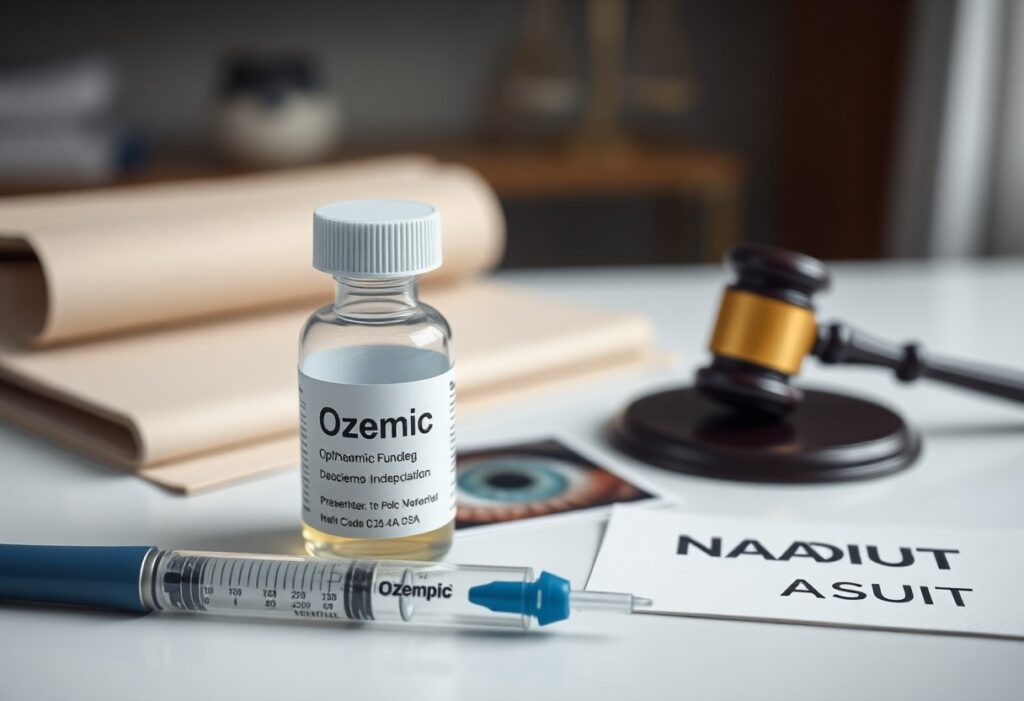
Criteria for Pursuing a Vision Impairment Claim
Necessary medical documentation and specialist diagnosis
Documentation should include ophthalmic exams, OCT or fluorescein imaging, ER notes, and a formal diagnosis from a neuro-ophthalmologist; provide pre- and post-Ozempic vision records and treatment logs. Emphasize sudden vision loss and any NAION findings.
Navigating statutes of limitations and filing deadlines
Deadlines for filing vary by state; preserve records and consult counsel early to track the statute of limitations, which may be as short as one to two years in some jurisdictions.
You must act quickly because your claim usually accrues when you knew or should have known of the harm; some states apply a discovery rule, others use a fixed accrual date. Consult an attorney to calculate the statute of limitations, preserve medication containers and records, and assert tolling where applicable-missed deadlines can leave you with no legal remedy.
Financial Recovery and Damages in Mass Tort Litigation
Calculating economic impact, medical costs, and lost wages
Costs include medical expenses, ongoing care, and lost wages; you should document bills, pay stubs, and prognosis to support a clear economic damages claim.
Compensation for permanent disability and loss of quality of life
You can seek damages for permanent vision loss, pain, and reduced daily activities; expert testimony and quality-of-life metrics strengthen non-economic claims.
Long-term awards commonly account for projected care, assistive devices, and therapy; you and your attorney should retain medical and vocational experts to calculate lifetime losses and present compelling evidence of diminished quality of life.
The role of multi-district litigation (MDL) in pharmaceutical cases
MDLs consolidate similar claims so you can share discovery, expert reports, and potentially secure faster, coordinated settlements while preserving your individual damage calculations.
Centralization in an MDL can reduce time and costs yet still allow case-by-case assessments; you should monitor bellwether outcomes because they often influence overall settlement values and trial strategy.
Conclusion
Upon reflecting, you should seek immediate ophthalmic evaluation for sudden vision loss after Ozempic and preserve medical records. You may have grounds for an NAION lawsuit; consult a qualified attorney to assess causation, timelines, and potential compensation while continuing follow-up care.
FAQ
Q: What is NAION and how has it been linked to Ozempic?
A: NAION (nonarteritic anterior ischemic optic neuropathy) is an ischemic injury to the optic nerve that often causes abrupt, painless vision loss in one eye and characteristic optic disc swelling on exam. Case reports, adverse event database entries, and plaintiff allegations have identified instances of NAION occurring after exposure to semaglutide (Ozempic) and other GLP-1 receptor agonists; these reports propose ischemic or perfusion-related mechanisms but do not establish definitive causation. Regulatory agencies and researchers have reviewed safety data for ocular events associated with semaglutide, and some labeling and postmarketing surveillance reflect warnings about diabetic retinopathy progression and other eye-related adverse events.
Ophthalmologists treat NAION supportively and manage vascular and systemic risk factors, while investigators and litigants focus on whether product warnings, safety studies, or drug promotion failed to disclose the risk adequately.
Q: What symptoms should prompt urgent evaluation after starting Ozempic?
A: Acute, painless loss of vision in one eye or new visual field defects such as a shadow, curtain, or loss of the lower or upper half of the visual field require immediate ophthalmic assessment. Typical NAION symptoms include sudden decrease in central vision or peripheral field loss, optic disc swelling seen on fundus exam, and relative afferent pupillary defect when the affected eye is significantly worse. Symptom onset can occur within days to months of starting a medication in reported cases; any new visual disturbance after initiating or changing a diabetes or weight-loss medication should prompt same-day evaluation by an eye specialist.
Q: Who may be eligible to pursue a lawsuit related to sudden vision loss after Ozempic?
A: Individuals who used Ozempic and subsequently developed a clinically confirmed diagnosis of NAION or severe, unexplained vision loss may have grounds for a product liability claim if evidence suggests the drug contributed to the injury. Eligibility commonly depends on documented timing of drug exposure, medical records confirming the ophthalmic diagnosis, absence of a more likely alternative cause, and filing within the applicable statute of limitations for the state where the claim is brought. Plaintiffs typically consult attorneys experienced in pharmaceutical litigation who review medical records, drug prescription history, and adverse event reports to assess case strength before proceeding.
Q: What evidence do attorneys and courts typically seek in NAION claims tied to Ozempic?
A: Medical records showing timing of Ozempic use, ophthalmology exam notes, visual field test results, optical coherence tomography (OCT) and fundus photography documenting optic nerve swelling or atrophy, and records of systemic risk factors (diabetes control, hypertension, sleep apnea, smoking) are central pieces of evidence. Prescription and pharmacy records establish exposure and dosing history, while adverse event reports, internal company documents (if available), and scientific literature relate to causation and whether warnings were adequate.
Witness statements from treating physicians and expert testimony from neuro-ophthalmologists or pharmacovigilance specialists are frequently used to explain technical medical links to judges and juries.
Q: What practical steps should someone take if they suspect Ozempic caused sudden vision loss and they want to pursue legal action?
A: Seek immediate medical care from an ophthalmologist or neuro-ophthalmologist to document the injury and obtain a definitive diagnosis, retain copies of all medical and prescription records, and report the event to the FDA MedWatch program to create an official adverse-event record. Contact a law firm with experience in pharmaceutical mass torts or personal injury to request a case evaluation; provide medical records and medication history for review. Be aware that timelines for filing suit vary by state, evidence collection can take weeks to months, and attorneys will often work on a contingency-fee basis while investigating potential claims against the manufacturer.


