
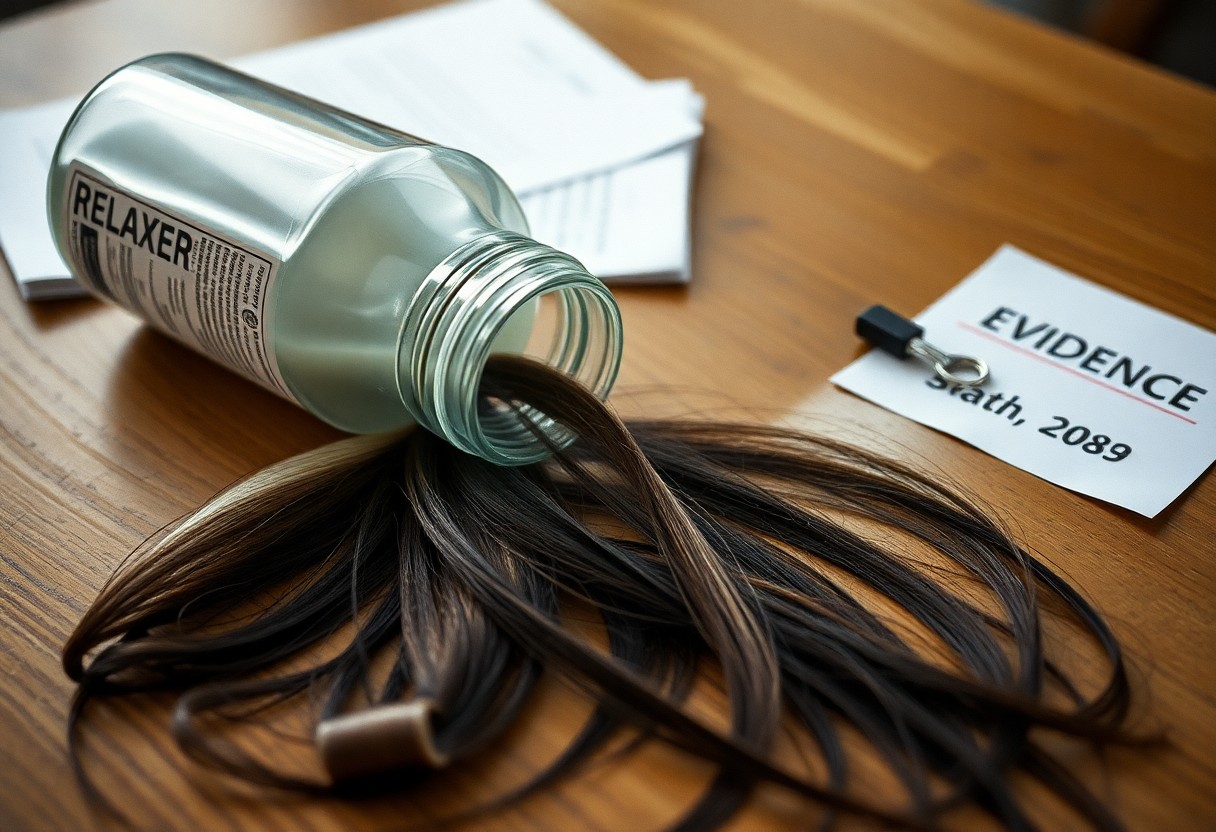
Many recent lawsuits allege that hair relaxers can increase your risk of cancer, and regulators and researchers are examining chemical exposures linked to these products. Hair Relaxer Injury Claims, if you used relaxers regularly, this post explains how to evaluate symptoms, gather medical and product records, and consider legal options; you may be eligible for compensation if exposure contributed to illness. Stay informed about study findings, timelines, and claim deadlines to protect your health and rights.
Key Takeaways:
- Lawsuits allege long‑term use of chemical hair relaxers is linked to higher risks of certain cancers (including uterine and ovarian) due to exposure to potentially carcinogenic or endocrine‑disrupting ingredients.
- Plaintiffs claim manufacturers failed to warn consumers and concealed hazards; cases have been consolidated in multidistrict litigation with investigations and ongoing claims and settlements.
- Claims emphasize disproportionate harm to Black women, who historically use relaxers more frequently, with plaintiffs seeking compensation for medical costs, pain and suffering, and punitive damages.
Background on Hair Relaxers
Common chemical ingredients and formulations (lye, no-lye, persulfates, phthalates, parabens)
You’ll find two main chemistries: sodium hydroxide (lye) relaxers – often formulated at roughly 2-10% active base – and “no‑lye” systems that generate guanidine hydroxide from guanidine carbonate plus calcium hydroxide. Manufacturers also add ammonium/sodium persulfates in related lightening/wave products, and solvents/fragrances that can contain phthalates and preservatives like methyl/propyl parabens. Some epidemiological analyses report about a ~20% elevated cancer risk in long‑term users in certain cohorts, prompting current litigation and scrutiny.
Typical application methods and exposure routes (salon treatments, at-home use, inhalation, dermal absorption)
You’ll encounter relaxer application in salons every 4-12 weeks (professional practice) or at home with DIY kits; processing times commonly run 10-30 minutes. Major exposure routes are dermal absorption through the scalp-especially where skin is inflamed or burned-and inhalation of fumes or aerosols during mixing, application, and blow‑drying, with stylists facing repeated occupational exposure.
In practice, salon procedures often involve mixing concentrated products, applying them directly to the scalp, and using heat or mechanical manipulation to achieve straightening; if you leave a formula on longer than recommended or apply to compromised skin, absorption and local burns rise sharply. Air monitoring studies in professional settings detect measurable persulfate and solvent aerosols during mixing and processing, and case reports document acute scalp chemical burns requiring medical care-factors that both increase systemic uptake. Over decades, repeated sessions (many users average every 6-8 weeks for 10-20+ years) compound cumulative exposure, which is a central point in current exposure and epidemiologic assessments.
Scientific Evidence and Causation
Key epidemiological studies and pooled analyses
You can point to large cohort studies-most notably the Black Women’s Health Study and the Sister Study-and pooled analyses combining tens to hundreds of thousands of women that report associations between long‑term or frequent relaxer use and higher risks of certain cancers. Several papers found relative risks in the 1.2-1.8 range for uterine/endometrial outcomes in heavy users, while results for breast and ovarian cancers are more inconsistent across studies.
Laboratory and toxicology findings supporting biological plausibility
Laboratory work has detected endocrine‑disrupting chemicals (phthalates, parabens and other additives) in many formulations and shown estrogenic activity and DNA damage in vitro, supporting a biologically plausible link between scalp exposure and hormone‑sensitive cancers you worry about.
In more detail, chemical analyses of relaxers identify compounds that can act on hormone receptors or form reactive metabolites; in cell models, product extracts have induced estrogen receptor signaling and generated oxidative DNA lesions. Animal and mechanistic studies show systemic uptake after scalp application and metabolic activation by cytochrome P450 enzymes, offering pathways for tumor promotion at chronic exposure levels. You should note that specific agents and concentrations vary widely by product and over time.
Gaps, conflicting results, and limitations of current research
You’ll see important limitations: many studies rely on self‑reported use, have limited follow‑up for long cancer latency, and face confounding by reproductive factors, obesity and concurrent hair‑dye use, producing heterogeneity and some conflicting findings across endpoints and populations.
More specifically, exposure misclassification is common because products change formulations (lye vs non‑lye, additives), and epidemiologic analyses rarely include biomonitoring of specific metabolites or quantify cumulative dose. Short follow‑up can undercapture cancers with long latency, and few studies stratify by age at first use, frequency, or scalp condition. You therefore need prospective cohorts with repeated exposure measures, objective biomarkers, and clearer dose-response data to resolve inconsistency.

Legal Theories and Grounds for Lawsuits
Product liability, failure to warn, and design-defect claims
You can allege that a relaxer’s formulation was inherently unsafe, pointing to ingredients like sodium hydroxide, guanidine compounds, formaldehyde-related agents, and phthalates and to lab reports detecting endocrine-disrupting residues; manufacturers may be liable for design defects, contaminated batches, or for failing to warn consumers and stylists about cumulative exposure, inadequate testing, or risks for pregnant users-claims often rely on product testing, MSDS data, and label comparisons across brands.
Negligence, strict liability, and consumer-protection causes of action
You can pursue negligence by proving a duty to test and warn, a breach (for example, continued marketing despite internal safety signals), causation, and damages; strict liability shifts focus to the product’s dangerous condition regardless of care; meanwhile state consumer-protection statutes allow claims for deceptive marketing, restitution, and sometimes enhanced remedies or attorney fees when labels or safety claims mislead buyers.
More practically, you’ll need expert epidemiologists and toxicologists to establish general and specific causation, and documentary proof-purchase records, salon appointment logs, ingredients lists-to show exposure; courts often see Daubert challenges to scientific evidence, so your case strategy typically emphasizes validated cohort studies, biomonitoring data, and comparators showing higher disease rates among heavy users, while seeking damages for medical monitoring, treatment costs, lost earnings, and pain and suffering.
Litigation Landscape and Case Status
Notable individual lawsuits and consolidated class actions
You’re reading about dozens of individual suits brought by women alleging products from brands such as L’Oréal/SoftSheen‑Carson and Dark & Lovely caused uterine, ovarian, or other reproductive cancers; plaintiffs seek compensatory and punitive damages, medical monitoring, and corrective advertising. Several state courts have grouped related filings into coordinated proceedings, and you’ll find cases advancing past initial motions to dismissal into discovery in multiple jurisdictions.
Multidistrict litigation (MDL) status and procedural posture
You’ll see many federal cases centralized by transfer panels into MDLs to streamline discovery and pretrial rulings, with courts emphasizing coordinated expert disclosure and consolidated document production. Judges typically set phased schedules so you can track fact discovery, expert reports, and Daubert briefing on a unified timeline rather than disparate dockets.
In practice, the MDL dockets are moving through common tasks: custodial and scientific file production, ESI protocols, and early motion practice over admissibility of epidemiologic studies and causation experts. You should expect bellwether selection, targeted sampling of representative claims, and court orders on deposition limits and privilege logs to shape settlement leverage before any nationwide resolution.
Recent settlements, verdicts, and regulatory responses
You’re likely to encounter a mix of confidential early settlements and few public verdicts so far; defendants have engaged in settlement talks while litigation and discovery continue. At the same time, regulators and public-health bodies have intensified scrutiny of product safety data and labeling tied to hair‑straightening chemicals.
Practically, that means increasing regulatory inquiries, targeted inspections, and requests for manufacturer safety studies that you can view as pressure points driving negotiations. Private settlements often remain nondisclosed, but public regulatory activity – including data demands and guidance requests – has strengthened plaintiffs’ bargaining positions and influenced case valuation.
Building a Claim and Practical Guidance for Plaintiffs
Evidence needed: medical records, expert testimony, and corporate discovery
You must assemble complete treatment files – pathology reports, imaging, oncology notes and prescription records with exact dates – to prove diagnosis and latency. Engage a toxicologist and an epidemiologist to link product exposure to disease and quantify risk (studies have shown relative risks in some cohorts of ~1.5-2.0). Use discovery to obtain internal safety tests, manufacturing logs, and marketing emails that show what companies knew and when.
Choosing counsel, timelines, likely remedies, and settlement considerations
You should hire a firm experienced in mass torts and product-liability litigation; expect timelines of roughly 12-36 months to bellwether trials and statute-of-limitations windows that vary by state (commonly 1-6 years). Remedies typically include medical costs, lost earnings, pain and suffering, and occasionally punitive awards; settlements may be lump-sum, structured, or paid from a global settlement fund.
When choosing counsel focus on demonstrated success in similar large-scale cases (bellwether and common-fund outcomes in talc and opioid litigation are useful analogues). Verify the firm’s resources for extensive discovery-deposing corporate scientists, hiring toxicology labs, and funding Daubert battles-and confirm a contingency arrangement (most firms take about 30-40% plus expenses). Expect phased litigation: pleadings, targeted discovery, bellwether selection, then settlement negotiations informed by trial results; you should evaluate offers against projected future medical costs, life expectancy, and the strength of expert causation opinions. Finally, weigh a guaranteed lower payout now versus the risk and delay of trial: strong corporate documents uncovered in discovery often drive higher settlements, while weak causation evidence may favor early resolution.
Summing up
Drawing together, if you’ve used hair relaxers and face a cancer diagnosis or other harm, you should evaluate your exposure, preserve medical records, and consult an experienced attorney to assess whether you have a viable injury claim. Lawsuits allege links between certain products and increased cancer risk; pursuing compensation can cover medical costs, lost income, and damages. Act promptly to protect your legal rights and explore all available remedies.
FAQ
Q: What do the hair relaxer injury lawsuits allege?
A: Plaintiffs allege that repeated exposure to chemicals in some hair relaxers is linked to an increased risk of certain cancers and other health problems. Common claims include product liability (design defect, manufacturing defect), failure to warn consumers about risks, negligence, and fraudulent marketing. Lawsuits cite epidemiological studies, toxicology reports, and internal company documents to support that ingredients such as formaldehyde-releasing agents, lye (sodium hydroxide), and endocrine-disrupting compounds may contribute to cancer risk, while noting that causation is contested and under litigation.
Q: Who may be eligible to bring a claim or join existing litigation?
A: People who used implicated hair relaxer products and later received a qualifying cancer diagnosis or related injury may be eligible. Eligibility typically depends on: documented use of specified products/brands, a medical diagnosis tied by treating physicians or experts to the timeframe of use, and proof of exposure frequency and duration. Family members may file wrongful-death claims if a user died. Eligibility rules, filing deadlines, and consolidation (e.g., MDLs) vary by jurisdiction; an attorney experienced in product liability can evaluate individual facts and case viability.
Q: What evidence is needed and what types of compensation are sought?
A: Key evidence includes medical records and pathology reports, detailed product-use history (receipts, photos, bottles, salon records), treating-provider statements, timelines of exposure, and expert reports linking exposure to injury. Plaintiffs also use scientific studies and company documents in discovery. Potential compensation covers past and future medical expenses, lost earnings, pain and suffering, loss of consortium, and in some cases punitive damages for egregious corporate conduct. The process may involve pre-suit investigation, filing, discovery, settlement negotiations, or trial; cases involving many claimants are sometimes centralized in multidistrict litigation for coordinated handling.


