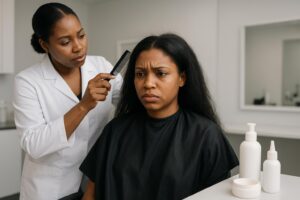
Relaxer products have gained attention in recent years due to their potential health risks, prompting numerous lawsuits aimed at gaining justice for those affected. As you navigate the details of the Hair relaxer lawsuit settlement amounts 2025, it’s important to understand what you can expect from the upcoming trials and how compensation amounts may impact you. This post will provide valuable insights into the ongoing litigation process, the challenges faced by claimants, and the potential outcomes that could affect your rights and safety.
Key Takeaways:
- Upcoming trials related to hair relaxer lawsuits are expected to address significant settlements for affected consumers, with amounts anticipated to reflect the severity of health impacts linked to these products.
- Victims of hair relaxers reporting health issues, such as uterine cancer or other serious conditions, may see potential compensation that includes medical expenses, pain and suffering, and punitive damages against manufacturers.
- The results of the 2025 trials will likely influence future product safety regulations and potentially lead to stricter guidelines for hair relaxer formulations.
- Class action lawsuits may be a common approach, allowing multiple plaintiffs to combine their claims, potentially leading to larger settlement amounts.
- Consumers should stay informed about their rights and potential participation in lawsuits as more information on case outcomes becomes available in the lead-up to the trials.
The Landscape of Hair Relaxer Lawsuits
Recent Trends in Hair Relaxer Litigation
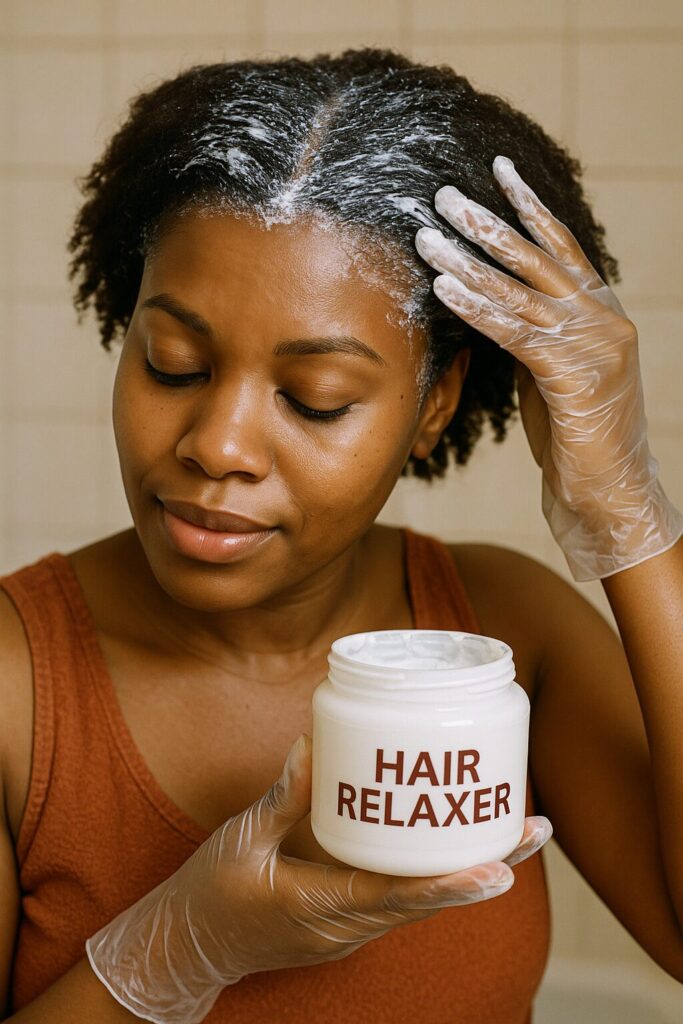
Litigation surrounding hair relaxers has seen a surge in activity, particularly as more consumers are reporting severe health issues linked to these products. Courts are increasingly favoring plaintiffs as evidence mounts linking hair relaxers to conditions like uterine cancer and endometriosis. Numerous cases are now being filed, reflecting a growing awareness and demand for accountability among manufacturers.
Key Companies and Products Under Scrutiny
Major hair care brands like L’Oreal, Mizani, and SoftSheen-Carson have come under fire due to allegations that their relaxer products contain toxic chemicals contributing to serious health risks. Lawsuits allege that these companies failed to adequately warn consumers about potential dangers associated with long-term use of their chemical relaxers.
With thousands of lawsuits pending, these brands face mounting pressure to address the widespread concerns raised by consumers. Reports indicate that ingredients such as lye and formaldehyde are being highlighted as particularly harmful, leading to significant health complications. As you navigate the landscape of hair relaxer litigation, understanding the specifics of the products and companies involved will be imperative in evaluating your potential claims. The outcome of these trials could significantly impact future regulations and safety protocols in the beauty industry.
Navigating the Legal Maze: What to Expect in Trials
The Trial Process Explained
The trial process for hair relaxer lawsuits involves several stages, starting with jury selection, where both sides pick jurors that they believe will be sympathetic to their case. You can expect to see opening statements outlining each side’s arguments, followed by the presentation of evidence and witness testimonies. After both sides lay out their cases, closing arguments will summarize their positions before the jury deliberates to reach a verdict. This entire process can take weeks or even months, depending on the complexity of the case.
Potential Challenges and Setbacks for Plaintiffs
As a plaintiff in a hair relaxer lawsuit, you may face several challenges that could affect the outcome of your trial. These could include difficulties demonstrating a direct link between the product and health issues, as well as potential counterarguments from manufacturers that may dispute the science behind your claims. Additionally, other legal complexities, such as jurisdiction issues and the adequacy of your evidence, can significantly impact your case.
One major hurdle could be the need for extensive medical documentation to establish a causal relationship between your use of the hair relaxer and any resulting health conditions, such as cancers or reproductive issues. This documentation must be compelling and often requires expert testimony to support your claims. If the defense argues effectively that your health concerns stem from other sources unrelated to the product, it could further complicate your case, delaying justice and potentially lowering your settlement amounts. Gathering evidence, expert witnesses, and navigating these intricacies will be important in overcoming these challenges and pursuing fair compensation.
Financial Implications: Settlement Amounts on the Horizon
Analysis of Previous Settlement Packages
Looking back at previous hair relaxer lawsuit settlements, amounts have varied significantly, often depending on the severity of health issues and the number of claimants involved. Settlements have ranged from thousands to millions of dollars for individual cases. For instance, one high-profile case settled for over $1 million, reflecting the grave impacts of chemical exposure. Understanding these past settlements is important for gauging potential outcomes in your own case.
Projected Settlement Amounts for 2025 Cases – Hair relaxer lawsuit settlement amounts 2025
As you anticipate the upcoming trials in 2025, analysts predict settlement amounts could be higher than previous years, potentially ranging from $100,000 to $5 million based on the severity of health injuries and the specific circumstances of each claimant’s case.
Factors driving these estimations include increased awareness of the risks associated with hair relaxer chemicals and notable media coverage pushing for corporate accountability. A growing number of affected consumers means manufacturers may face pressure to settle larger claims to avoid the financial burden of prolonged litigation. If you’re involved in one of these lawsuits, these projections present a hopeful outlook for meaningful compensation that reflects the distress and medical issues experienced.
The Science Behind Hair Relaxers: Risks and Health Concerns
Understanding the Chemical Components
Hair relaxers typically contain harsh chemicals such as sodium hydroxide, calcium hydroxide, and guanidine hydroxide. These agents work by breaking down the natural structure of your hair, effectively altering its texture. Prolonged exposure to these substances can lead to significant alterations in your hair’s health and integrity, which raises concerns about their long-term implications on overall well-being.
Documented Health Issues Linked to Hair Relaxer Use
Health issues associated with hair relaxer use include a heightened risk of certain forms of cancer, such as endometrial and ovarian cancer. Studies indicate that women who frequently use these products may experience complications ranging from severe skin burns to respiratory issues and reproductive health problems. The evidence suggests that the cumulative effect of chemical exposure may have lasting impacts on your health.
Research connecting hair relaxers to health complications reveals alarming statistics. According to a study published in the Journal of the National Cancer Institute, regular users of chemical hair straighteners faced a more than twofold increased risk of developing uterine cancer compared to non-users. Additionally, the American Cancer Society notes that hair relaxers can penetrate the scalp and enter the bloodstream, potentially leading to systemic health issues. These findings underscore the importance of caution and awareness regarding the products you choose for hair care.
State-by-State Perspectives on Hair Relaxer Regulations
Comparing Legal Precedents Across States
Legal outcomes in hair relaxer cases differ significantly from state to state, influenced by local statutes and judicial attitudes toward consumer protection. Some states have established favorable precedents for plaintiffs, while others may exhibit a more conservative approach, impacting your potential claims. For example:
| State | Notable Legal Precedents |
|---|---|
| California | Established consumer protection laws favoring plaintiffs in personal injury cases. |
| Texas | Higher burdens of proof required, making it tougher for plaintiffs to succeed. |
| New York | Recent rulings have expanded liability for manufacturers regarding product safety. |
| Florida | Mixed outcomes; some lawsuits have succeeded based on specific chemical disclosures. |
Legislative Changes Impacting Future Lawsuits
Recent legislative changes across various states are reshaping the landscape for future hair relaxer lawsuits. For instance, in 2024, California passed a law mandating more stringent labeling requirements, which could directly influence your ability to hold companies accountable for undisclosed risks associated with hair relaxers. As states evolve their regulations, you may see an increase in the number of successful claims, as well as potential changes in what evidence is admissible in court.
The growing attention to the safety of personal care products has prompted many legislators to revisit existing laws regarding chemical disclosures and consumer rights. States like Illinois and New Jersey are pushing for stricter regulations on toxic substances in beauty products, which may lead to more robust protections for you. As these legislative trends continue, you could benefit from a more consumer-friendly legal environment, increasing the likelihood of success in future lawsuits.
What Claimants Need to Know Before Participating
Gathering Evidence: Documentation and Support
Begin by compiling all relevant documentation that supports your claim. This includes personal medical records, product labels, receipts for purchases of hair relaxers, and any correspondence with medical professionals regarding your health issues linked to these products. Having thorough and organized evidence will strengthen your position in the lawsuit and increase the likelihood of a favorable settlement.
Key Deadlines and Filing Requirements
Filing a lawsuit involves adhering to specific deadlines and requirements set by the courts. Each state has its own statute of limitations, typically ranging from one to four years after the injury occurs. Missing these deadlines can jeopardize your chance of receiving compensation. It’s vital to consult with an attorney who specializes in product liability to ensure you meet all necessary timelines and procedural obligations.
For those considering participation in the hair relaxer lawsuit, understanding the filing requirements demands particular attention. Alongside statutory limitations, you must ensure that your claims are filed in the appropriate jurisdiction, as some cases may be consolidated in federal or state courts. Prepare to gather any witness statements or expert testimonies that may assist your case. Thorough preparation will enhance your chances for a successful outcome in the trials ahead.
The Role of Advocacy Groups in Shaping Legal Outcomes
Highlighting the Efforts of Nonprofits and Activists
Nonprofits and activists have played a significant role in advocating for hair relaxer safety and justice for victims. Organizations dedicated to raising awareness about the risks associated with chemical hair treatments actively support those affected by health issues. Their campaigns often include protests, petitions, and educational programs designed to inform the public and influence legislation regarding cosmetic safety.
The Impact of Public Awareness and Education
Public awareness initiatives have heightened understanding of the dangers that hair relaxers pose, pushing affected individuals to seek justice. By sharing personal stories, statistics, and research findings, advocacy groups foster a collective voice against corporate negligence. This growing awareness has resulted in increased media coverage, motivating lawmakers to revisit regulations regarding hair care products.
Furthermore, grassroots campaigns leveraging social media have mobilized thousands to speak out against harmful practices and push for accountability from manufacturers. Educational webinars and informative articles help demystify the potential health impacts of hair relaxers. A notable increase in the number of lawsuits reported over the past few years illustrates how awareness can translate to action, compelling corporations to address consumer safety more responsibly. The momentum generated by these efforts is critical, as it cultivates an informed public ready to engage in legal and legislative processes that safeguard health and well-being.
Future Implications of Hair Relaxer Settlements
Legal Precedence and Its Effect on Other Cosmetic Cases
The outcomes of hair relaxer lawsuits are likely to establish strong legal precedents for future cases involving harmful cosmetic products. As these settlements address issues related to health risks and manufacturer responsibility, subsequent litigations involving other beauty products may reference these legal outcomes. This could embolden more consumers to pursue claims against companies that fail to disclose potential hazards in their products, particularly as awareness about cosmetic safety increases.
Long-Term Changes in Industry Practices and Regulations
Settlements related to hair relaxers may influence significant shifts in the cosmetic industry, prompting manufacturers to adopt safer formulations and stricter regulations. In response to mounting legal pressures and consumer demand for transparency, companies may prioritize developing products devoid of harmful chemicals, leading to a more cautious approach to ingredient use.
The demand for safer alternatives has already sparked innovation within the beauty sector, with many brands exploring plant-based or organic formulations as a response to legal scrutiny. Regulatory bodies could also tighten safety standards, requiring more rigorous testing before products hit the market. As consumer education around the risks of traditional hair treatments increases, you’re likely to see an industry increasingly held accountable for their formulations, ensuring that health and safety take precedence in product development. Overall, these shifts may create a more responsible beauty landscape, ultimately benefiting consumers like you.
Conclusion
Following this, you can anticipate varying settlement amounts in the upcoming hair relaxer lawsuits in 2025. While these cases evolve, staying informed about the developments and understanding your legal rights will empower you in navigating the process. If you or someone you know has experienced adverse effects from hair relaxer products, consider consulting a legal expert to explore potential claims and ensure you’re prepared for what lies ahead.
FAQ
Q: What is the current status of hair relaxer lawsuit settlements in 2025?
A: As of 2025, numerous lawsuits have been filed against hair relaxer manufacturers alleging that their products can cause serious health issues, including cancer. Many of these cases are part of class action lawsuits, and some settlements have already been reached. The settlement amounts vary widely depending on the specific case details, evidence presented, and the number of claimants involved. Ongoing trials are expected to clarify more about potential compensation for affected individuals.
Q: How can I participate in the hair relaxer lawsuit if I have been affected?
A: If you believe you have suffered health issues due to using hair relaxer products, you can participate by joining a class action lawsuit or filing an individual claim. It is advisable to gather any relevant medical records and proof of product purchases. Consulting with a personal injury attorney who specializes in product liability cases can help you understand your options and increase your chances of receiving compensation.
Q: What factors influence the settlement amounts in hair relaxer lawsuits?
A: Several factors can influence the settlement amounts, including the severity of the injuries sustained, medical expenses incurred, the longevity of product use, and any evidence linking the use of the hair relaxer to specific health conditions. The overall strength of the case, including expert testimonies and documentation of damages, also plays a significant role in determining how much compensation may be awarded.
Q: How long can I expect the hair relaxer lawsuit process to take before a settlement is reached?
A: The timeline for hair relaxer lawsuits can vary significantly. While some cases might reach a settlement within months, others may take several years due to the complexities involved, including the need for extensive evidence and potential appeals. It is important to stay in contact with your attorney throughout the process, as they will provide updates and manage expectations based on the progress of your case.
Q: Are there any potential risks associated with participating in a hair relaxer lawsuit?
A: Participating in a hair relaxer lawsuit does come with some risks. These include the possibility of not receiving any compensation if the case is lost or the settlement is deemed insufficient. Additionally, the legal process can be lengthy, and some participants may experience emotional stress throughout the trial. However, with proper legal guidance and support, many individuals find that the ultimate pursuit of justice and compensation outweighs these potential drawbacks.