
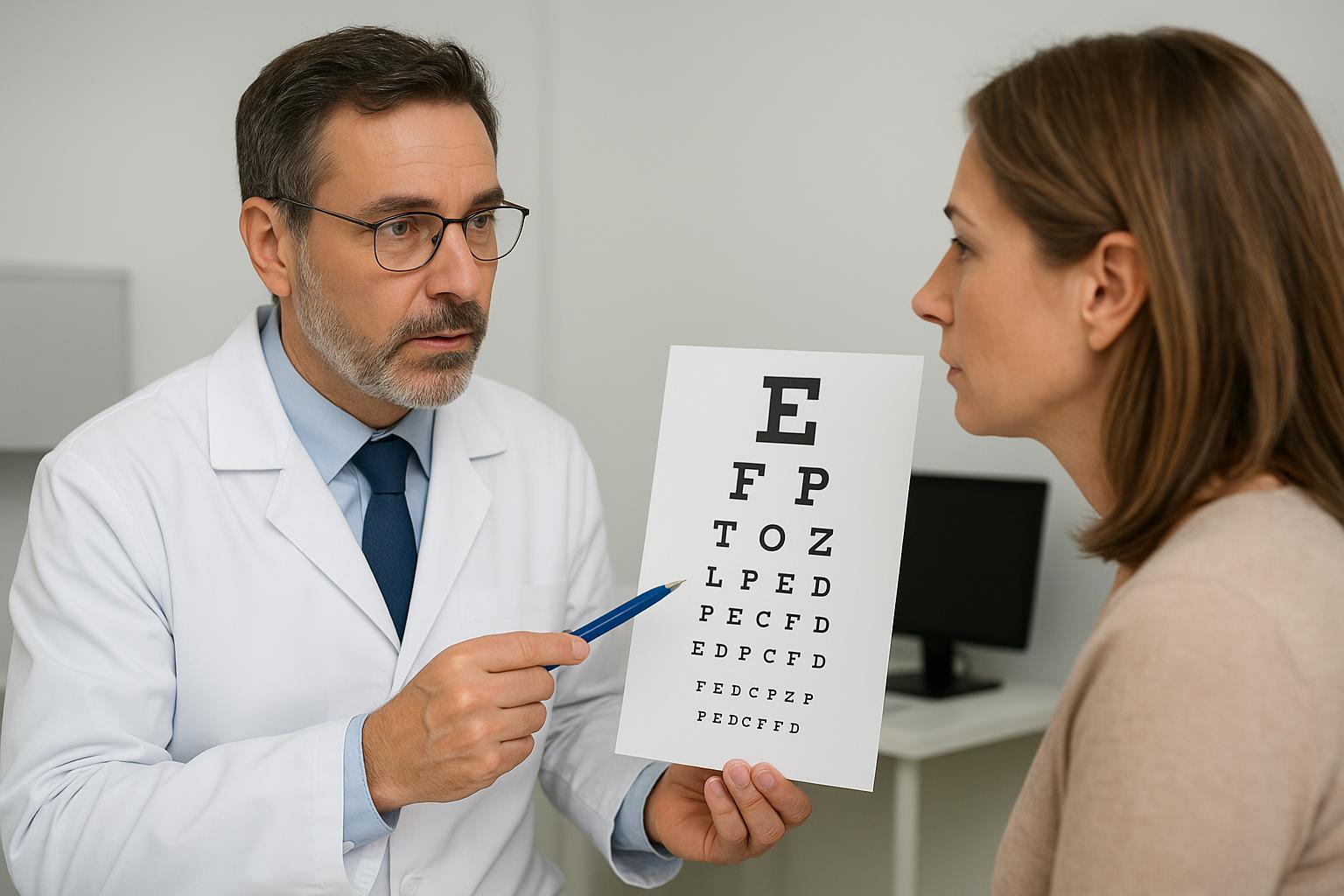
Thousands of individuals prescribed Ozempic or other semaglutide-based drugs are now reporting serious eye complications, including blurred vision, retinal damage, and even permanent blindness. The Ozempic vision loss lawsuit seeks justice for patients who suffered these devastating side effects after using the medication for diabetes or weight management. If you or a loved one experienced vision problems after taking Ozempic, understanding your rights and potential eligibility for compensation is critical.
Understanding the Ozempic Vision Loss Lawsuit
Ozempic, a brand name for semaglutide, is a GLP-1 receptor agonist approved by the FDA to treat type 2 diabetes. However, emerging reports suggest a link between semaglutide and severe eye complications. Plaintiffs in the semaglutide vision loss lawsuit allege that the manufacturer failed to adequately warn users about the potential risk of retinal damage and vision impairment.
According to FDA safety communications, adverse events involving eye health have been reported among GLP-1 drug users. These lawsuits aim to hold the manufacturer accountable for failing to disclose these risks and to recover compensation for affected patients.
Common Ozempic Retinal Damage Symptoms
Recognizing early Ozempic retinal damage symptoms is crucial for timely medical intervention. Patients have reported a range of issues that may indicate eye injury or nerve damage. Common symptoms include:
- Sudden or gradual vision loss
- Blurry or distorted vision
- Flashes of light or dark spots
- Eye pain or pressure
- Difficulty focusing or reading
- Partial blindness or tunnel vision
These symptoms may signal retinal detachment, optic nerve damage, or diabetic retinopathy exacerbated by semaglutide use. The Mayo Clinic notes that diabetic patients are already at risk for eye complications, and certain medications may worsen these conditions.
Medical Evidence and Scientific Research
Recent studies published in PubMed have explored the potential link between GLP-1 receptor agonists and ocular complications. While research is ongoing, early findings suggest that rapid changes in blood sugar levels caused by semaglutide may contribute to retinal stress and vision impairment. These findings are central to the semaglutide blindness compensation claims being filed nationwide.
Medical experts are investigating whether Ozempic’s mechanism of action could indirectly damage the retina or optic nerve. The lawsuits allege that Novo Nordisk, the drug’s manufacturer, knew or should have known about these risks but failed to provide adequate warnings to patients and healthcare providers.
Eligibility to File a Claim for Ozempic Vision Loss
Individuals may be eligible to file a claim for Ozempic vision loss if they meet specific criteria. Eligibility typically depends on the following factors:
- Documented use of Ozempic or another semaglutide medication
- Medical diagnosis of vision loss, retinal damage, or blindness
- Evidence linking the injury to Ozempic use
- Proof of financial or emotional damages resulting from the injury
Each case is unique, and eligibility can vary depending on medical records, prescription history, and the timeline of symptoms. Consulting with a legal professional experienced in pharmaceutical litigation can help determine your potential claim strength.
Check if you qualify for the Ozempic vision loss lawsuit before time runs out. Early action ensures your rights are protected and that critical evidence is preserved.
Steps to File an Ozempic Vision Loss Lawsuit
Filing a lawsuit involves several key steps designed to build a strong case. Understanding this process can help you prepare effectively:
- Consultation: Speak with a mass tort attorney to review your medical history and determine eligibility.
- Evidence Collection: Gather medical records, prescription details, and documentation of symptoms.
- Case Evaluation: Legal teams assess the strength of your claim and potential compensation value.
- Filing: Your attorney files the claim in the appropriate jurisdiction.
- Litigation: The case proceeds through discovery, negotiation, or trial.
Timely filing is essential, as statutes of limitations vary by state. Missing a deadline could forfeit your right to compensation.
Potential Ozempic Vision Loss Settlement Amounts
While no settlement amounts have been finalized, factors influencing the Ozempic vision loss settlement amount include:
- Severity and permanence of vision loss
- Medical expenses and future treatment costs
- Lost wages or diminished earning capacity
- Pain, suffering, and emotional distress
- Impact on quality of life
Settlement values in similar pharmaceutical injury cases have ranged widely depending on evidence and damages. However, no specific payout is guaranteed, and each case is evaluated individually.
Symptoms of Semaglutide Eye Damage and Diagnosis
Patients experiencing symptoms of semaglutide eye damage should seek immediate medical evaluation. Diagnosis may involve:

- Comprehensive eye exams
- Optical coherence tomography (OCT)
- Retinal imaging and visual field tests
- Blood sugar and blood pressure monitoring
Early detection can prevent further deterioration. Medical documentation from these evaluations is also vital evidence in any potential lawsuit.
Ozempic Eye Injury Class Action Litigation
As more cases emerge, plaintiffs are seeking to consolidate claims into an Ozempic eye injury class action. This approach allows individuals with similar injuries to pursue justice collectively. Class actions can streamline litigation, reduce costs, and create consistent outcomes for affected patients.
However, some victims may choose to file individual lawsuits to pursue higher compensation based on their unique damages. Legal counsel can help determine which option best suits your circumstances.
Compensation for Semaglutide Blindness
Victims pursuing semaglutide blindness compensation may recover damages for both economic and non-economic losses. These can include medical bills, rehabilitation costs, loss of income, and emotional suffering. In some cases, punitive damages may be sought if the manufacturer’s conduct is found to be particularly negligent.
Compensation aims to restore financial stability and provide relief for the life-altering impact of vision loss. While no amount can reverse the damage, legal action can hold responsible parties accountable.
Act Now to Protect Your Rights
Time limits apply to all mass tort claims. If you suspect Ozempic caused your vision loss, it’s important to act quickly. Evidence can degrade, and deadlines may pass without notice.
Start your free Ozempic vision loss case review to discover your eligibility for compensation. Taking action today ensures your claim is preserved and your voice is heard.
Frequently Asked Questions About the Ozempic Vision Loss Lawsuit
What is the Ozempic vision loss lawsuit about?
The lawsuit alleges that Ozempic and other semaglutide drugs caused serious eye injuries, including blindness, and that the manufacturer failed to warn users of these risks.
Who qualifies to file a claim for Ozempic vision loss?
Anyone who used Ozempic or semaglutide and later developed vision loss, retinal damage, or blindness may qualify, provided medical records support the connection.
What evidence is needed to support my claim?
Evidence typically includes medical records, prescription history, diagnostic imaging, and documentation of symptoms and treatment costs.
How long do I have to file a lawsuit?
Each state has its own statute of limitations, often ranging from one to three years after the injury or discovery of harm. Consulting an attorney promptly is essential.
Are there any current settlements for Ozempic vision loss?
As of now, no settlements have been finalized. However, ongoing litigation may lead to future compensation opportunities for eligible claimants.
Can I join an Ozempic eye injury class action?
Yes, if a class action is certified, eligible individuals may join. Alternatively, you may file an individual lawsuit depending on your case specifics.
What should I do if I notice vision changes while using Ozempic?
Stop using the medication only under medical supervision and seek immediate evaluation from an ophthalmologist. Document all symptoms and report them to your healthcare provider.
Find out now if you can join the Ozempic vision loss lawsuit and claim your compensation. Acting quickly can help secure your legal rights and potential recovery.


