Gardening can bring immense joy, but you must be aware of the products you use. Roundup, a widely used herbicide, contains glyphosate, which has been linked to Roundup And Cancer Risks. Understanding the potential dangers can help you make informed choices about your gardening practices. While Roundup may effectively control weeds, consider exploring alternative methods that prioritize your health and safety. Educating yourself about the implications of using such chemicals will empower you to create a safer garden for you and your family.
Key Takeaways:
- Roundup contains glyphosate, a widely used herbicide linked to potential cancer risks.
- Studies have shown a possible association between glyphosate and non-Hodgkin lymphoma.
- Regulatory agencies have differing views on glyphosate’s safety, leading to public debate.
- Personal protective equipment, such as gloves and masks, is recommended when using Roundup.
- Alternatives to glyphosate include organic herbicides and manual weed removal methods.
- Home gardeners should follow application guidelines to minimize exposure risks.
- Awareness of local regulations and environmental impact is important when using herbicides.
Understanding Roundup: An Overview
History of Glyphosate and Its Development
Glyphosate was discovered in the 1970s by Monsanto and became the active ingredient in Roundup, first marketed in 1974. Initially used for industrial applications, its effectiveness as a broad-spectrum herbicide led to widespread adoption in agriculture. By the 1990s, glyphosate-resistant crops were introduced, significantly increasing its usage, which in turn sparked much debate regarding safety and environmental impact.
How Roundup Works: The Mechanism of Action
Roundup functions by inhibiting a specific enzyme pathway, the shikimic acid pathway, found in plants and some microorganisms. This pathway is vital for the synthesis of amino acids necessary for growth, which ultimately leads to the plant’s death upon treatment with glyphosate.
This mechanism of action allows Roundup to effectively eliminate a wide range of weeds while being considered safe for humans and animals because they lack this pathway. However, the implications for non-target organisms, along with the potential for herbicide-resistant weed populations, highlight the complexities of its use in your garden.
Common Uses of Roundup in Gardening and Agriculture
Roundup is frequently employed for weeding in both home gardens and large agricultural settings. It is particularly useful in managing unwanted vegetation around pathways, patios, and driveways, ensuring clear, accessible areas for enjoyment.
Over the years, Roundup has become a popular choice among home gardeners for weed control, but concerns have emerged regarding its potential link to cancer. You need to stay informed about the possible risks associated with glyphosate, the active ingredient in Roundup, and how it may impact your health. Understanding the precautions and alternatives available can help you make safer choices in your gardening practices while maintaining a thriving garden.
Glyphosate and Its Association with Cancer
Key Studies Linking Glyphosate to Cancer
Several key studies have raised concerns about the potential link between glyphosate and cancer. Notably, a 2015 study by the International Agency for Research on Cancer (IARC) classified glyphosate as “probably carcinogenic in humans” based on sufficient evidence in animals and limited evidence in humans. Additionally, a cohort study involving farmers found an increased incidence of non-Hodgkin lymphoma among those exposed to glyphosate, strengthening the ongoing debate about its safety.
Regulatory Perspectives: WHO and Other Health Organizations
The World Health Organization (WHO) and other health organizations have varying perspectives on glyphosate’s safety. While the IARC has classified it as a probable carcinogen, the United States Environmental Protection Agency (EPA) has stated that glyphosate is “unlikely to be a human carcinogen.” These conflicting positions leave consumers, including home gardeners, navigating a complex landscape of guidelines and recommendations regarding glyphosate use.
Such regulatory discrepancies can lead to confusion among you as a gardener. The WHO’s IARC findings emphasize the potential risks, while agencies like the EPA advocate for glyphosate’s safe use under specified conditions. As you utilize herbicides, it’s crucial to consult local regulations and consider both the scientific evidence and regulatory advice to make informed choices in your gardening practices.
Controversies Surrounding Research Findings
The research surrounding glyphosate’s carcinogenic potential is fraught with controversy, largely due to differing methodologies and interpretations of data. Critics of glyphosate’s safety point to numerous peer-reviewed studies highlighting health risks, while proponents argue that the majority of research does not support a direct causal link to cancer. This conflicting information complicates the decision-making process for homeowners and affects regulatory actions.
This ongoing debate often centers on the integrity and funding sources of research studies. Industry-funded studies tend to downplay health risks associated with glyphosate, while independent research frequently raises alarm bells about potential dangers. As you weigh the use of Roundup in your garden, staying informed about the nuances of these studies will help you better understand the implications for your health and safety.
Roundup in Home Gardening: Practices and Precautions
How Home Gardeners Use Roundup
You may apply Roundup in your garden to eliminate stubborn weeds that compete with your plants for nutrients and water. Its glyphosate ingredient works systemically, targeting plant growth rather than just surface weed removal. Many home gardeners opt for this product due to its effectiveness and ease of use, often applying it via spray or ready-to-use formats.
Alternatives to Glyphosate for Home Gardeners
If you seek safer options, consider using vinegar, boiling water, or corn gluten meal as natural weed killers. These alternatives typically pose less risk to human health and the environment, aligning better with a holistic gardening approach.
For instance, vinegar contains acetic acid, which can effectively kill weeds on contact, particularly in higher concentrations. Boiling water can scald unwanted plants, making it a simple yet efficient choice. Corn gluten meal acts as a pre-emergent herbicide, preventing weed seeds from germinating while being safe for your garden ecosystem.
Best Practices for Safe Application
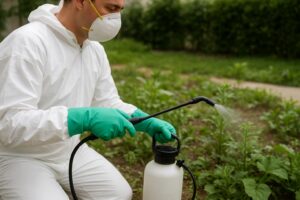
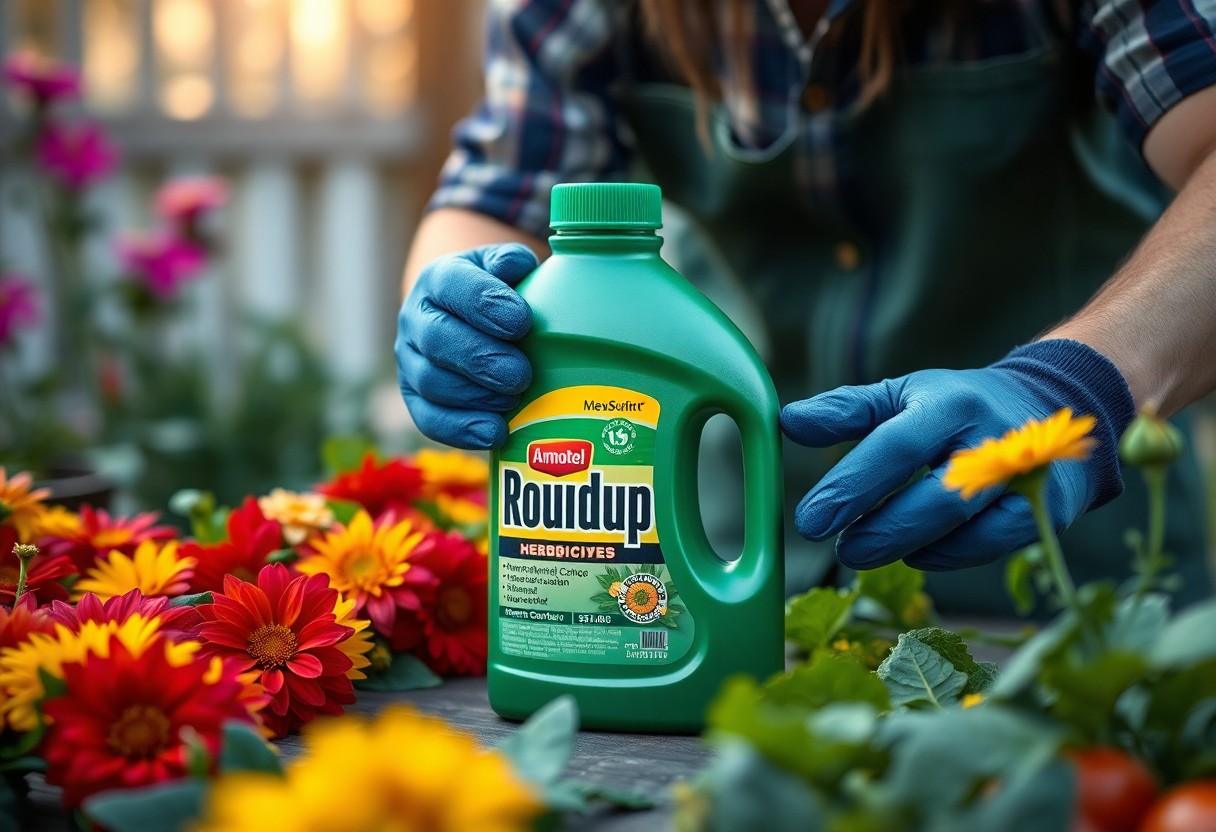
To minimize risks when using Roundup, always follow label instructions and wear protective gear, including gloves and masks. Apply it during dry weather to prevent drifting onto desirable plants and only when a calm wind is present to avoid unintentional spread.
Additionally, consider using targeted application methods, such as a brush or sponge, rather than spraying indiscriminately. This approach limits the chemical’s reach, safeguarding surrounding flora and decreasing your exposure. Engage in post-application hygiene by thoroughly washing your hands and equipment to further reduce risks associated with glyphosate. Cultivating an informed approach to herbicide use empowers you to balance gardening success with health consciousness.
Exposure Risks: How Gardeners Are Affected
Routes of Exposure: Inhalation, Ingestion, and Skin Contact
You may be exposed to Roundup through various routes: inhalation, ingestion, and skin contact. When spraying the herbicide, fine droplets can become airborne, leading to inhalation. Ingestion can occur accidentally, particularly if you eat unwashed produce, while direct skin contact may happen during application or handling of contaminated equipment.
Factors Influencing Individual Risk
Your individual risk of developing health issues from Roundup exposure varies based on several factors, including duration of exposure, frequency of use, and personal health conditions. Age, genetic predispositions, and existing health problems can also play a significant role, as younger and older individuals may react differently. Knowing your personal risk factors can help you take proactive steps to protect your health.
- Duration of exposure
- Frequency of use
- Personal health conditions
- Age and genetic predispositions
Furthermore, the environment in which you are gardening influences your risk. If you live in an area with heavy glyphosate application or have soil with high glyphosate concentrations, the likelihood of significant exposure increases. Knowing the surrounding conditions can guide your gardening practices.
- Environment with heavy glyphosate application
- Soil with high glyphosate concentrations
- Local regulations regarding herbicide use
- Protective measures such as gloves or masks
Understanding the Exposure Assessment Process
The exposure assessment process evaluates potential risks associated with Roundup by measuring the level and duration of exposure in your gardening practices. This involves assessing how often you use glyphosate, the application methods, and even environmental factors that could contribute to exposure levels.
Typically, exposure assessment combines data collection, including surveys and monitoring, with scientific analysis to establish dose-response relationships. Understanding this process helps you gauge potential exposure levels better, informing safer gardening practices and precautionary measures.
Public Perception of Roundup and Cancer Risks
Media Coverage and Public Sentiment
Media coverage has played a significant role in shaping public sentiment regarding Roundup and its possible cancer risks. High-profile lawsuits and reports of linkages to non-Hodgkin lymphoma have caught the attention of the public, driving widespread concern. Social media platforms have further amplified these fears, often presenting emotional stories that resonate with your anxieties about chemical safety.
Misinformation and Myths Surrounding Glyphosate
Despite the growing body of research, numerous misinformation and myths surrounding glyphosate persist, often complicating your understanding of the herbicide’s safety. Many believe all herbicides are equally dangerous, ignoring nuanced discussions of regulatory standards and safety evaluations.
Some common myths include the notion that all studies linking glyphosate to cancer are biased or flawed, but reputable assessments, including those from the International Agency for Research on Cancer, have raised legitimate concerns. Popular misconceptions also wrongly state that glyphosate remains in the food supply at harmful levels, despite rigorous testing and regulatory measures showing otherwise. Such misinformation can mislead you into making decisions based on fear rather than facts.
The Role of Advocacy Groups and Activism
Advocacy groups have been instrumental in raising awareness about potential health risks associated with Roundup and glyphosate. Their campaigns often highlight personal stories, pushing for stricter regulations and promoting safer alternatives for gardening.
Organizations like the Organic Consumers Association actively lobby against glyphosate use, producing research and educational materials to inform you about organic gardening practices. Their efforts contribute to a larger movement advocating for transparency in agricultural practices, aiming to protect public health while promoting sustainable gardening methods. By amplifying concerns and urging legislative changes, these groups can significantly influence your views and decisions regarding herbicide usage.
Legal Cases and Outcomes Related to Roundup
Overview of Major Lawsuits Against Monsanto/Bayer
Numerous lawsuits against Monsanto, now owned by Bayer, have emerged, primarily alleging that Roundup’s active ingredient, glyphosate, causes cancer. High-profile cases include the $289 million verdict awarded to Dewayne Johnson in 2018, which was later reduced, but highlighted the potential dangers of glyphosate. Since then, thousands of similar lawsuits have been filed, prompting Bayer to allocate billions for settlements as the evidence of Roundup’s link to Non-Hodgkin lymphoma grows.
The Impact of Verdicts on Public Health Awareness
The outcomes of these lawsuits have significantly increased public awareness regarding the potential health risks associated with Roundup. With large financial verdicts and settlements, you may find your community discussing the implications of herbicide use more than ever. Such legal precedents serve to validate concerns about glyphosate, reinforcing the need for safer gardening practices.
As verdicts have been announced, public health organizations and media outlets have ramped up campaigns informing consumers about the possible risks related to glyphosate exposure. This surge in awareness not only affects consumer behavior but also pressures regulatory bodies to reconsider the safety of glyphosate-based products, potentially leading to stricter regulations in the future.
Future Legal Implications for Roundup Use
Looking ahead, the legal landscape concerning Roundup is likely to evolve, especially as more research underscores its risks. You could see new lawsuits targeting homeowners, garden centers, and retailers that sell glyphosate products. The combination of scientific evidence and public scrutiny may lead to stricter regulations and the possible removal of glyphosate from household use altogether.
As more information unfolds, individuals using Roundup may be held liable in lawsuits if they fail to heed evolving safety guidelines. Future litigation may focus on the need for clearer labeling and detailed warnings, thus reinforcing the importance of being informed about the products you choose for gardening. Staying updated on legal developments can better prepare you for responsible gardening practices and choices moving forward.
Recommendations from Health Organizations
Guidelines from the Environmental Protection Agency
The Environmental Protection Agency (EPA) has stated that glyphosate, the active ingredient in Roundup, is likely to be non-carcinogenic to humans when used according to label directions. They recommend applying herbicides in a manner that minimizes exposure to yourself and the surrounding environment, reinforcing safe practices to reduce any potential risks associated with pesticide use.
Suggestions from Public Health Officials
Public health officials emphasize the importance of using integrated pest management strategies rather than solely relying on chemical herbicides like Roundup. They advocate for alternatives and ensuring appropriate protective measures when using any pesticide products.
These officials suggest staying informed through credible sources regarding the latest research on glyphosate and its health implications. Regularly reading updates from the Centers for Disease Control and Prevention (CDC) and the World Health Organization (WHO) can aid in making well-informed decisions. Incorporating non-chemical approaches, such as hand weeding or organic herbicides, is also advised to minimize health risks while maintaining effective gardening practices.
Recommendations for Home Gardening Practices
When gardening, you should prioritize safety and sustainability. Health organizations recommend wearing protective gear, including gloves and masks, when applying any herbicides to limit exposure to potential fumes or skin contact.
Consider adopting organic or natural alternatives for weed control and pest management. Implementing methods like mulching, crop rotation, and companion planting can effectively manage your garden’s health without relying on chemical solutions. These approaches not only protect you from potential health risks but also promote a more eco-friendly gardening practice, fostering a sustainable environment for future generations.
Regulatory Changes and Industry Responses
Changes in Labeling and Usage Instructions
New regulations have led to significant changes in labeling and usage instructions for Roundup products. These modifications aim to enhance safety and provide clearer guidance on application rates, protective gear, and environmental precautions. As a home gardener, you must carefully follow these updated directions to ensure your safety and that of your garden ecosystem.
Industry Commitments to Safe Practices
In response to public concern, the industry has made commitments to implement safer practices. This includes investing in research to develop alternative products and enhancing transparency regarding the safety of their herbicides. It’s important for you to stay informed about these advancements, as they may affect your gardening choices.
These industry commitments often encompass collaborations with environmental organizations and scientists to explore non-toxic alternatives to glyphosate-based products. Companies are increasingly prioritizing sustainability, pledging to reduce their carbon footprint and improve the safety profiles of their offerings. By choosing brands that engage in these practices, you can contribute to a safer gardening environment.
Potential Future Bans or Restrictions
Governmental bodies are considering potential bans or restrictions on glyphosate usage in various regions, which could impact availability. Such decisions are heavily influenced by ongoing research and public sentiment regarding health risks associated with glyphosate. Make sure you stay updated on local regulations as they may change based on new scientific findings.
Some regions have already taken steps to impose restrictions, citing heightened concerns about health implications linked to glyphosate exposure. These moves could lead to stricter regulations or entirely phased-out products, compelling you to seek alternative weed management solutions. Following these developments ensures you remain compliant and maintain a healthy garden environment without relying on potentially hazardous chemicals.
The Future of Glyphosate in Agriculture
Trends in Glyphosate Use Globally
Glyphosate use is declining in some regions due to increasing regulatory scrutiny and public health concerns. However, in other areas, especially in developing countries, its adoption continues to rise as farmers seek efficient solutions for commercial agriculture. The global market is also witnessing shifts toward safer alternatives and integrated pest management techniques, reflecting a growing trend toward sustainable practices.
Innovations in Weed Management
Advancements in weed management focus on precision agriculture, employing technology to target weeds effectively and minimize chemical use. Techniques such as cover cropping, crop rotation, and the use of natural herbicides are gaining traction, creating a more holistic approach to weed control.
For instance, the integration of drones and AI technologies allows farmers to detect weed infestations early and apply treatments more precisely, thereby reducing overall glyphosate usage. Additionally, the development of biological herbicides showcases innovative alternatives that leverage natural enemies of weeds, promoting environmentally responsible farming. These innovations not only enhance efficiency but also address public concerns surrounding chemical applications.
The Role of Sustainable Practices in Agriculture
Implementing sustainable practices in agriculture is vital for long-term viability, as it allows you to manage crops without relying solely on chemicals like glyphosate. Utilizing methods such as organic farming, integrated pest management, and improving soil health can significantly reduce reliance on synthetic herbicides.
The transition to sustainable farming practices often leads to enhanced biodiversity and resilience among the ecosystem, fostering healthier crops and reducing the environmental impact. By adopting practices like agroecology or permaculture, you can improve soil structure, enhance nutrient cycling, and naturally suppress weed populations, which ultimately supports a more sustainable agricultural system while minimizing health risks associated with chemical herbicides.
Case Studies: Home Gardeners and Their Experiences
- Case Study 1: A 52-year-old male gardener developed non-Hodgkin lymphoma after 15 years of unprotected glyphosate use, leading to a court ruling in his favor against Monsanto.
- Case Study 2: A 46-year-old female gardener conducted a personal experiment, switching from glyphosate to organic alternatives, reportedly seeing a reduction in allergic reactions and improved health.
- Case Study 3: A community garden reported a 70% decline in herbicide-related health complaints after banning glyphosate, showcasing community awareness and advocacy.
- Case Study 4: Post-glyphosate use, a 37-year-old homeowner experienced chronic fatigue and migraines, which correlated with the introduction of organic gardening methods and a noted improvement in symptoms.
For more insight into the Health Risks of Glyphosate Herbicide, these cases highlight the personal impact of glyphosate exposure.
Testimonials from Affected Individuals
Individuals affected by glyphosate often share narratives of health challenges linked to their gardening practices. One gardener reflects on their transition to organic methods after battling chronic illness, attributing their improved health to reduced chemical exposure.
Success Stories from Those Who Opted Out of Glyphosate
Many who chose to forgo glyphosate report enhanced wellbeing and satisfaction. These stories emphasize the benefits of adopting alternative weeds control methods that not only protect health but also promote biodiversity.
A notable example is a community garden that shifted to holistic farming practices. This shift resulted in healthier soil and crops, larger harvests, and greater community involvement. Participants in this garden reported higher energy levels and fewer allergy symptoms, underscoring the positive effects of moving away from glyphosate.
Lessons Learned from Gardeners
Home gardeners have gained vital insights about the implications of using glyphosate. Many emphasize the importance of awareness regarding the potential health risks and the necessity of exploring safer alternatives.
From these experiences, it becomes evident that education is key. Gardeners express the need for better resources and community support in transitioning to safer gardening practices, recommending organic methods not only for personal health but also for environmental sustainability. This collective knowledge empowers others to make informed choices, leading to healthier gardening practices overall.
The Ethical Considerations of Using Glyphosate
Balancing Convenience against Health Risks
Using glyphosate can undoubtedly simplify your gardening tasks, allowing you to control weeds effectively. However, the health risks associated with glyphosate exposure raise significant ethical concerns. Weighing the convenience of usage against the potential long-term effects on your health may challenge your gardening practices.
The Dilemma of Economic Factors
The financial aspect of using glyphosate plays a pivotal role in your decision-making process. It is often cheaper and more efficient than organic alternatives, presenting a tempting option for cost-conscious gardeners. However, the potential health risks tied to glyphosate use can outweigh the immediate economic benefits.
- financial aspect
- cost-conscious gardeners
- health risks
The persistent affordability of glyphosate makes it a popular choice, especially for those operating within tight budgets. As a result, many gardeners may find themselves in a position where economic factors directly influence their gardening choices. Recognizing the long-term implications may require reassessing your spending habits and considering more sustainable practices.
- affordability
- sustainable practices
- gardening choices
The Collective Responsibility of Gardeners
As a gardener, you share a collective responsibility towards the environment and community health. The impact of herbicide use extends beyond your property, affecting local ecosystems and the wellbeing of others. Taking steps to minimize or eliminate glyphosate can contribute to a healthier environment.
By adopting more sustainable gardening methods, you not only enhance your garden’s health but also set a positive example for fellow gardeners. Advocating for safer practices collectively fosters a culture that prioritizes both environmental health and community safety. Recognizing your role in this larger framework encourages proactive efforts towards responsible gardening.
Gardening Without Glyphosate: Success Strategies
Organic Gardening Practices
Transitioning to organic gardening practices not only eliminates glyphosate but also enhances your garden’s health. Utilizing compost, cover crops, and natural fertilizers fosters a thriving soil ecosystem. Choosing native plants can reduce pests, while crop rotation minimizes disease risk. These practices form a sustainable approach that fosters robust plant growth and biodiversity.
Integrated Pest Management Techniques
Employing integrated pest management techniques allows you to control pests effectively without harmful chemicals. This strategy combines biological control, habitat manipulation, and resistant plant varieties to create a balanced ecosystem that naturally suppresses pest populations.
Examples of integrated pest management include introducing beneficial insects like ladybugs to control aphids and using pheromone traps to monitor pest populations. Additionally, proper sanitation practices, such as removing debris and rotating crops, reduce pest attractions and breeding grounds, ensuring your garden remains healthy and productive.
Community Resources and Support
Utilizing community resources and support can greatly enhance your pesticide-free gardening efforts. Local gardening clubs, extension services, and online forums provide valuable advice and shared experiences on organic methods and pest management.
For instance, community gardens often offer workshops and demonstrations on sustainable practices, which can expand your knowledge and provide hands-on experience. Engaging with fellow gardeners allows you to share resources, seeds, and best practices, creating a supportive network dedicated to healthy gardening solutions.
To wrap up
Following this, it’s important for you to be aware of the potential risks associated with Roundup and its active ingredient, glyphosate. While research continues to evolve, some studies have linked glyphosate to cancer risks, particularly with prolonged exposure. As a home gardener, you should consider using alternative weed control methods and practice safety measures, such as wearing protective gear and applying products carefully. Staying informed about regulations and scientific findings can help you make educated choices for your garden and health.
FAQ
Q: What is Roundup?
A: Roundup is a widely used herbicide that contains glyphosate, developed to kill weeds and grasses that compete with crops.
Q: Is there a link between Roundup and cancer?
A: Some studies suggest a potential link between glyphosate exposure and certain types of cancers, particularly non-Hodgkin lymphoma. Ongoing research continues to examine these connections.
Q: How can home gardeners minimize their risk when using Roundup?
A: Home gardeners can minimize risk by using protective gear, applying the herbicide on calm days to reduce drift, and limiting usage to targeted areas to prevent unnecessary exposure.
Q: What alternatives exist to using Roundup in home gardening?
A: Alternatives include organic herbicides, manual weeding, vinegar-based sprays, and other natural options such as mulching or planting ground cover to suppress weeds.
Q: Are there safety guidelines for using Roundup in residential areas?
A: Yes, it is important to follow the manufacturer’s safety guidelines, including wearing gloves and masks, avoiding application on windy days, and keeping children and pets away from treated areas.
Q: Can residual glyphosate remain in the soil after using Roundup?
A: Yes, glyphosate can persist in the soil for varying lengths of time, depending on factors like soil type, microbial activity, and environmental conditions. Testing soil can provide specific information.
Q: What should I do if I suspect I’ve been exposed to Roundup?
A: If you suspect exposure, wash the affected area thoroughly with soap and water, seek medical advice if symptoms occur, and follow local guidelines for reporting exposure incidents.