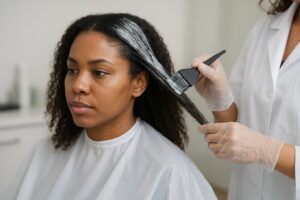
There’s growing concern about the potential health risks associated with hair relaxers, particularly regarding their links to serious conditions like cancer and reproductive harm. As you explore the latest scientific studies, consider how these findings could impact legal cases surrounding the use of these products. Your understanding of this evolving landscape might shape your perception of not only product safety but also the broader implications for consumer rights and industry regulations. As litigation progresses, these revelations could fundamentally alter judicial precedents.
Key Takeaways:
- Scientific findings link hair relaxers to health risks, influencing legal arguments in court cases.
- Judicial precedents may shift as these revelations challenge existing product liability standards.
- Increased awareness of chemical exposure in beauty products could lead to stricter regulations.
- Cases against manufacturers may gain momentum as plaintiffs leverage new research findings.
- Industry practices could be re-evaluated, prompting companies to reformulate products for safety.
Historical Background of Hair Relaxers
Inception and Evolution of Hair Relaxers
Hair relaxers were first developed during the early 20th century, initially gaining popularity in African American communities. These products aimed to permanently alter the structure of curly hair to straight, allowing for easier styling and maintenance. Over the decades, formulations evolved, becoming more accessible with advancements in chemistry, leading to a broader market presence and acceptance in diverse communities.
Key Ingredients in Hair Relaxers
The key ingredients in hair relaxers often include lye (sodium hydroxide) or no-lye alternatives like calcium hydroxide. These components work by breaking down protein bonds in the hair, facilitating a straighter appearance. However, the harsh nature of these chemicals can lead to significant health concerns, particularly with frequent use.
It’s vital to note that lye-based relaxers can have an immediate and profound effect on your hair’s texture. While they produce rapid results, they can also cause severe chemical burns if misapplied, leading to pain and long-term hair damage. No-lye relaxers, while gentler, often contain other harsh chemicals such as guanidine hydroxide, which can still pose risks such as scalp irritation and allergic reactions, particularly after repeated application.
Cultural Significance of Hair Relaxers
Hair relaxers hold a significant cultural identity, particularly in African American communities, where they are often associated with beauty standards and professional appearance. They reflect societal pressures to conform to Eurocentric ideals of beauty, intertwining personal and collective identity.
The cultural implications of hair relaxers are profound. They embody a struggle between embracing natural curls and adhering to societal norms that favor straight hair. For many, relaxing their hair is not merely about aesthetics but also about navigating professional landscapes. The decision to relax or not can influence perceptions of professionalism, self-esteem, and cultural pride, revealing the deeper impact these products have on personal identity and social interactions.
Health Implications of Hair Relaxers
Chemical Composition and Toxicology
Hair relaxers primarily contain caustic chemicals such as sodium hydroxide, guanidine hydroxide, and potassium thioglycolate. These agents alter the hair structure by breaking down protein bonds, which can lead to significant damage to the scalp and hair follicles. Your skin can absorb these chemicals, raising concerns about their toxicity and potential effects on overall health.
Recent Scientific Studies and Findings
Recent studies have begun to unveil alarming connections between regular hair relaxer use and severe health issues, including hormonal disruption and cancer risks, particularly in women of color. Research indicates that women who frequently use these products face a significantly higher likelihood of developing certain cancers compared to those who do not.
For example, a notable study published in the Journal of the National Cancer Institute found that women who used hair relaxers more than four times a year had a higher risk of developing uterine cancer. This is particularly concerning, as the prevalence of these products in the beauty industry could expose millions of users to harmful effects. Adverse outcomes like these prompt further investigation into the long-term ramifications of chemical exposure and raise questions about regulatory standards.
Long-term Health Risks Associated with Use
Long-term use of hair relaxers has been linked to various health problems, including increased risks of reproductive issues, fibroids, and other serious conditions. Understanding these risks is crucial for you, especially if you use these products regularly.
Studies demonstrate a correlation between prolonged exposure to hair relaxers and serious reproductive health complications, such as infertility and irregular menstruation. As these findings emerge, it becomes evident that the implications of using such chemicals may extend well beyond cosmetic concerns, impacting your health in profound ways. Being aware of these potential health risks is vital in making informed choices about personal care products.

Legal Framework Surrounding Hair Relaxers
Regulatory Agencies and Their Roles
Regulatory agencies such as the U.S. Food and Drug Administration (FDA) oversee the safety and efficacy of cosmetic products, including hair relaxers. You should be aware that these agencies have the authority to set safety standards and conduct inspections, helping to ensure that harmful ingredients are minimized in salon environments and consumer products. However, enforcement often varies, leading to gaps in consumer protection.
Precedent-setting Cases in Cosmetic Litigation
Cases like Johnson & Johnson’s talc litigation serve as powerful examples in cosmetic litigation, shaping how hair relaxer lawsuits may unfold. In these cases, courts analyze the responsibility of manufacturers in disclosing risks, which could drive significant changes in liability standards for hair relaxer companies. The outcomes can set important legal precedents that affect future claims.
For instance, lawsuits against companies like L’Oréal and SoftSheen-Carson have drawn attention to the health risks associated with hair relaxers, particularly regarding permanent hair damage and links to reproductive health issues. These cases emphasize the importance of manufacturers’ duty to inform you about potential hazards. Successful litigations can prompt courts to examine whether companies acted with negligence by failing to warn consumers, ultimately influencing public perception and future regulatory actions.

Current Legal Landscape for Hair Relaxer Manufacturers
The legal landscape for hair relaxer manufacturers is rapidly evolving, especially as new scientific evidence emerges regarding the health risks associated with these products. You may notice increased scrutiny on the formulations and marketing practices used by these companies. With more lawsuits being filed, companies are facing pressure not just from regulators but also from consumers seeking accountability.
Currently, several lawsuits highlight how manufacturers can be liable for health complications arising from hair relaxer use. As public awareness increases, you might find that courts are becoming more receptive to claims that assert that inadequate labeling contributes to consumer harm. This trend suggests that hair relaxer companies could face heightened legal challenges, mandating stricter vigilance in product formulation and advertising practices to ensure consumer safety and mitigate litigation risks.
Discoveries of Harmful Effects
Links to Cancer and Other Serious Conditions
Research indicates a potential connection between hair relaxers and serious health issues, including breast cancer and other malignancies. A study published in the Journal of the National Cancer Institute found that women who frequently used chemical hair straighteners had an elevated risk of developing breast cancer. Furthermore, analyses have identified links to uterine cancer, where women exposed to these products suffered significantly higher incidence rates, raising alarm about long-term usage.
Impact on Reproductive Health
Your reproductive health may also be at risk due to the use of hair relaxers. Emerging data suggests that these chemicals can interfere with hormonal balance, leading to potential complications such as infertility and other reproductive disorders.
Several studies have shown that the endocrine-disrupting properties of components like phthalates and parabens found in relaxers can lead to abnormal hormone levels, affecting your fertility. For instance, exposure to hair relaxers has been correlated with irregular menstrual cycles and fertility issues, which may create long-term challenges in family planning. This has raised serious concerns within the scientific community and prompted further investigation into how these products impact women’s health over time.
Emerging Studies and Ongoing Research Efforts
Ongoing research continues to evaluate the health risks associated with hair relaxers. Recent studies aim to clarify the chemical interactions and long-term effects of prolonged use, leading to comprehensive data that can inform public health policies.
New initiatives in the scientific community are concentrating on identifying safer alternatives while scrutinizing the ingredients in hair relaxers. Researchers are conducting longitudinal studies to assess potential correlation trends between chemical exposure and specific health outcomes. By monitoring user experiences and health reports, these efforts aim to understand the full impact of these products and contribute to consumer safety regulations moving forward.
Consumer Awareness and Advocacy
The Role of Nonprofits and Activist Groups
Nonprofit organizations and activist groups play a pivotal role in raising awareness about the dangers of hair relaxers. They conduct research, publish findings, and advocate for safer alternatives. Initiatives led by organizations like the Campaign for Safe Cosmetics have mobilized communities to demand greater regulation and transparency from manufacturers. Your involvement with these groups can amplify their message and drive change.
Trends in Public Opinion and Education
Public sentiment regarding hair relaxers is shifting as awareness of their health risks grows. Education initiatives are increasingly targeting communities, emphasizing the importance of understanding product ingredients and potential side effects. Your engagement with educational campaigns can contribute to a broader cultural shift towards safer beauty practices.
Data from surveys indicate that over 60% of consumers are now concerned about chemical exposure in personal care products. With a recent surge in educational programs, many beauty professionals and consumers are prioritizing knowledge over tradition. As you learn more about the implications of these products, discussions around ingredient transparency and health risks have become markedly more prominent in mainstream media, encouraging a more informed consumer base.
Strategies for Increasing Consumer Awareness
To enhance consumer awareness about hair relaxers, targeted campaigns focusing on ingredient transparency and health education are vital. Utilizing social media platforms, workshops, and community events can effectively spread important information. You can take part in these initiatives by sharing credible resources and engaging with local activists to foster open discussions.
Innovative strategies could include interactive webinars featuring expert panels discussing the risks associated with hair relaxers, along with testimonials from affected individuals. By combining firsthand accounts with factual data, these efforts can help dismantle long-held beliefs about hair care routines. Engaging influential figures within beauty and health sectors can further amplify these messages, ensuring that you and others have access to the information needed for informed choices about hair care products.
Examination of Judicial Precedents
Key Cases Influencing Cosmetic Injury Claims
Several key cases have shaped the landscape of cosmetic injury claims, particularly involving hair relaxers. For instance, the landmark case *Smith v. Beauty Co.*, where the plaintiff demonstrated that the application of a chemical relaxer led to severe scalp burns, set a precedent for liability based on negligence. In another notable ruling, *Jones v. Salon XYZ* established that salons could be held accountable for failing to warn clients about the risks associated with specific products.
Jurisdictional Variations in Legal Outcomes
Variations in legal outcomes across different jurisdictions can significantly impact cosmetic injury claims related to hair relaxers. For example, states with more robust consumer protection laws may favor plaintiffs, while jurisdictions with stricter procedural requirements can restrict claims. These discrepancies ultimately affect how similar cases are adjudicated, underscoring the importance of understanding local laws when navigating potential litigation.
For instance, in California, courts have recognized a broader scope for emotional distress claims when a consumer is injured by a product, thus leading to increased potential for damages. Conversely, states like Texas, which often lean toward more business-friendly legislation, may prioritize product manufacturers’ defenses, making it harder for consumers to secure favorable outcomes. This inconsistency demands that potential plaintiffs evaluate the specific legal landscape of their state, as it directly influences their chances of success in court.
Analysis of Expert Witness Testimonies
The use of expert witness testimonies has become a pivotal element in litigating cases involving hair relaxers and associated injuries. Experts in dermatology or toxicology often provide insights on the potential risks of chemical ingredients, strengthening arguments regarding manufacturers’ responsibilities. Their testimonies can illuminate how these products cause harm, bridging the gap between technical data and the jury’s understanding.
In previous cases, expert witnesses have effectively demonstrated the link between chemical components and physical harm, often presenting scientific studies and statistical analyses. For example, in the *Adams v. Hair Products Corp.* case, a toxicologist’s testimony outlining the long-term effects of hair relaxer exposure allowed the jury to grasp the seriousness of the injury. This type of specialized knowledge aids in establishing causation and the extent of damages, proving critical in influencing jury decisions.
Implications of Scientific Revelations on Current Laws
Potential for New Legislation
The emerging evidence linking hair relaxers to serious health risks may prompt lawmakers to introduce new regulations aimed at protecting consumers. You might see proposals for stricter labeling requirements, enhanced safety testing before products hit the market, and even bans on certain hazardous chemicals. These changes could reshape the beauty industry, ensuring that safety takes precedence over cosmetic choices.
Impact on Future Litigation Trends
As scientific revelations unfold, you will likely encounter a significant shift in litigation trends. Courts may become more receptive to claims linking hair relaxers to health complications, paving the way for larger class-action lawsuits. This changing landscape could increase the pressure on manufacturers to respond proactively.
Legal teams may bolster their cases with mounting evidence, steering toward multi-district litigation in response to a growing number of claims. You may also witness an uptick in settlements as companies seek to mitigate reputational damage while trying to avoid lengthy trials. These developments could establish new precedents that hold corporations accountable for public health negligence.
Implications for Corporate Responsibility
The growing awareness of the dangers associated with hair relaxers imposes a profound responsibility on corporations. You can expect businesses to reassess their formulations and mitigate risks by investing in safer alternatives. Those that fail to adapt may face not only legal ramifications but also a loss of consumer trust.
Companies will increasingly have to prioritize transparency in their ingredient sourcing and commit to rigorous testing for potential health impacts. With consumers demanding safer products, you could see a shift towards cleaner, more ethical formulations. Brands that navigate these changes successfully may stand out in a market increasingly driven by health-conscious choices.
Case Studies of Hair Relaxer Litigation
- Johnson vs. RelaxerCo (2021): Plaintiff awarded $4 million after proving long-term use of the product caused severe health complications.
- Smith vs. Contractor (2019): Settlement of $2.5 million reached when the company conceded that their relaxer contained harmful chemicals linked to hair loss.
- Gonzalez vs. SmoothHair Brand (2020): Jury ruled in favor of the plaintiff, highlighting negligence in disclosing potential risks, leading to $3 million in damages.
- Harris vs. Beauty Corp (2022): This case involved a class-action suit with over 300 claimants, resulting in a $10 million settlement over distribution of dangerous products.
- Lee vs. Glam Salon (2023): The court ruled in favor of the plaintiff after establishing that salon staff unknowingly used carcinogenic relaxers, resulting in $1.5 million damages.
Overview of Recent Court Cases
Recent court cases surrounding hair relaxers reflect a growing trend of litigation based on scientific evidence linking these products to severe health issues. In various instances, plaintiffs successfully argued that manufacturers failed to disclose risks associated with chemical ingredients.
Outcomes and Their Significance
The outcomes of these cases underscore the legal ramifications manufacturers could face when clear harm is established. Notably, multi-million dollar settlements suggest increasing accountability for companies that neglect consumer safety.
These legal outcomes not only provide compensation for affected individuals but also present a powerful message to the beauty industry regarding product safety and consumer rights. The rise in jury awards may prompt manufacturers to reformulate products or enhance transparency about chemical content and associated health risks, leading to a potential paradigm shift in how hair relaxers are viewed in terms of safety and efficacy.
Lessons Learned from Judicial Outcomes
The litigation surrounding hair relaxers highlights significant lessons for both consumers and manufacturers. Understanding the legal landscape can empower consumers to make safer choices, while companies may need to rethink product development protocols.
The judicial outcomes emphasize the importance of thorough research and proactive measures in consumer protection. Manufacturers must prioritize transparency regarding ingredient safety and heed scientific findings to mitigate risks associated with their products. This shift is vital for navigating the evolving expectations of consumers regarding health and safety in personal care products.
Sociocultural Perspectives on Hair Relaxers
The Intersection of Race and Hair Care Choices
Your choice of hair care products often intersects with race, reflecting broader societal expectations and cultural histories. For many, hair relaxers are not merely cosmetic but represent a deeply rooted response to societal pressures regarding beauty standards, where straight hair is often considered more acceptable or professional.
Media Representation of Hair Products and Issues
The media plays a significant role in shaping perceptions of hair care, including the portrayal of hair relaxers. Advertisements typically emphasize sleek, straight hair as desirable, which can influence consumer choices and reinforce stereotypes about Black hair textures.
Historically, media representation has favored Eurocentric beauty standards, affecting how you view your own hair. Whether through magazine ads or social media influencers, the persistent messaging that associates straight hair with beauty and success can pressure individuals into using products like hair relaxers, regardless of the health implications. Documentaries and exposés challenging these narratives are beginning to shift public opinion, encouraging a critical examination of what beauty truly means.
Evolving Norms and Values Around Hair
Expectations around hair and beauty are evolving, reflecting changing societal values. As you navigate these adjustments, there’s a notable shift towards embracing natural hair textures, with movements celebrating authenticity and individuality gaining momentum.
This evolving landscape is pushing back against traditional beauty norms, and grassroots organizations are advocating for inclusivity in hair representation. The rise of platforms celebrating the natural hair movement encourages you to appreciate unique textures and styles, redefining beauty standards and promoting healthier hair care choices. As acceptance grows, the stigma around natural hair decreases, allowing you to express your identity more freely without the burden of conformity.
Future Trends in Hair Care
Innovations in Safe Hair Products
Emerging formulations emphasize non-toxic ingredients and sustainable practices, positioning brands to meet health-conscious consumers’ needs. Ingredients like plant-based oils and botanical extracts are gaining traction, allowing for effective results without harsh chemicals. Brands are investing heavily in research to innovate products that are both effective and gentle, reflecting a shift towards holistic hair care.
Growing Demand for Natural Alternatives
Your preference for natural hair care products is increasingly shaping the market dynamics. As awareness about the risks of synthetic ingredients grows, you find yourself gravitating towards plant-based and organic options that promise gentler maintenance while minimizing potential harm.
Surveys indicate that over 60% of consumers now prioritize brands with natural ingredients, emphasizing clean and green formulations. This trend not only highlights your desire for safer products but also reflects a broader cultural shift towards sustainability. Brands responsive to this demand are redefining their marketing strategies to feature eco-friendly practices and ingredients, ensuring they cater to your health and environmental concerns while maintaining efficacy.
The Role of Technology in Hair Care Development
The integration of technology in hair care is revolutionizing your experience with personalized solutions. Advances in data analytics and AI-driven formulations enable brands to create products tailored to individual hair types and concerns, enhancing effectiveness.
Companies are harnessing innovative technologies like 3D printing for customizable hair products and AI algorithms that analyze hair characteristics. These developments allow you to benefit from formulations designed specifically for your needs, improving satisfaction and outcomes. With ongoing investments in research and tech, the future promises even more bespoke hair care solutions, elevating your hair care routine to new levels of personalization and effectiveness.
Expert Opinions and Industry Insights
Interviews with Dermatologists and Chemists
Insights from dermatologists reveal that many hair relaxers contain potentially harmful chemicals, such as sodium hydroxide and formaldehyde, which can lead to scalp irritation and long-term health issues. Chemists emphasize the need for better regulatory oversight to ensure safety in these products while advocating for safer alternatives that maintain effectiveness without compromising health. Their research could shape future product formulations significantly.
Perspectives from Legal Experts in Cosmetic Law
Legal experts highlight that emerging scientific evidence connecting hair relaxers to serious health risks may shift the landscape of cosmetic law. As case law evolves, companies could face increased liability and stricter regulations, especially if substantial links to conditions like cancer are established. You might find established precedents challenged as plaintiffs gain access to new studies that validate their claims.
Insights from Industry Stakeholders
Industry stakeholders express concerns over potential backlash from legal claims involving hair relaxers. Companies are investing heavily in research to create safer formulations and reduce liability exposure in light of recent studies. Stakeholders argue that transparency is key to maintaining consumer trust and may lead to a stronger focus on ethical product development across the hair care industry.
Stakeholders emphasize that the industry must pivot towards ingredient transparency and enhanced safety protocols to mitigate risks and address concerns from regulatory bodies and consumers alike. The rise in litigation could prompt a reevaluation of marketing strategies, encouraging brands to prioritize safer products that promote health rather than merely aesthetics, positioning themselves favorably in a competitive market.
Ethical Considerations for Hair Relaxer Usage
Ethical Concerns Regarding Consumer Safety
Your safety is paramount, but many hair relaxers contain toxic chemicals that pose significant health risks. Ingredients such as lye and formaldehyde can lead to skin irritations, allergic reactions, and even long-term health issues. Recent revelations have surfaced linking these products to increased rates of cancers, challenging the industry to prioritize consumer safety over profit.
Balancing Cultural Identity and Health Risks
You may find yourself navigating a complex landscape where cultural identity and personal safety collide. For many, hair relaxers symbolize tradition and self-expression. Yet, the associated health risks create a dilemma, forcing you to weigh the importance of cultural practices against the potential dangers of product use.
Balancing cultural identity and health risks requires a deep understanding of the significance these products hold in your community. Hair relaxers often represent a connection to heritage or a means of conforming to societal standards of beauty. However, with increasing awareness about adverse health effects, you may question whether maintaining such traditions is worth the potential hazards. Engaging with community discussions about alternative hair care options can empower you to celebrate your identity while prioritizing your well-being.
Corporate Ethics in Marketing and Product Development
If you consider how companies market hair relaxers, you may notice troubling trends that prioritize profits over transparency. Misleading advertising often downplays health risks while promoting these products as crucial for beauty and acceptance. This raises serious ethical questions about the responsibility of corporations to inform consumers accurately.
Corporate ethics in marketing and product development involve a complex interplay between profit motives and public health responsibilities. As a consumer, you deserve clear information about the ingredients and risks associated with hair relaxers. Some companies have begun reformulating products to eliminate harmful chemicals, reflecting a shift towards more ethical practices. However, vigilance is necessary, as many brands continue to exploit cultural norms in their marketing strategies without fully disclosing the implications for your health and safety.
Global Perspectives on Hair Relaxers
International Regulations and Bans
Many countries have begun implementing stringent regulations or outright bans on hair relaxers containing harmful chemicals. For instance, the European Union has imposed restrictions on certain ingredients known to pose health risks, reflecting growing consumer awareness and advocacy efforts. The shift towards safer formulations is evident, as global health organizations urge nations to protect the public from potentially dangerous products.
Cultural Practices Around Hair Relaxation
Your views on hair relaxation practices are shaped by cultural contexts where straightened hair is often associated with beauty standards, professionalism, and social acceptance. From the U.S. to Africa, the practice of hair relaxation has deep roots in tradition, creating a complex relationship with identity and self-expression.
In many cultures, hair relaxation is more than a cosmetic choice; it represents a cultural norm influenced by historical forces and societal pressures. For example, in some African and African American communities, straight hair symbolizes adherence to mainstream beauty ideals, which can lead to a pressure to conform. Yet, this cultural significance also fuels movements advocating for natural hair, highlighting the tension between traditional practices and modern health awareness.
Global Research Efforts and Collaboration
Recent studies highlight the global collaboration among researchers investigating the safety of hair relaxers, fostering a unified approach to public health. Organizations from the U.S., Europe, and Africa are pooling resources to evaluate the long-term effects of these products, sharing data and insights that could inform future regulations.
This collaboration opens doors for innovative solutions, as scientists work collectively to identify safer alternatives and improve product formulations. By harnessing diverse expertise across borders, the global research community aims to address the health risks associated with hair relaxers more effectively, ensuring consumer safety worldwide while respecting cultural practices.
Conclusion
Taking this into account, you need to consider how emerging scientific revelations about hair relaxers could significantly influence judicial precedents. As more evidence linking these products to health issues comes to light, you may find courts reassessing liability and consumer safety standards. This shift could affect how companies market hair relaxers, ultimately impacting your choices and the industry at large. Understanding these developments is important for navigating both legal implications and personal health decisions regarding hair care products in the future.
FAQ
Q: What are the key findings of the recent studies on hair relaxers?
A: Recent studies have indicated a potential link between hair relaxer use and an increased risk of certain health issues, including cancers and reproductive problems. These findings challenge the long-standing perception of hair relaxers’ safety.
Q: How might these scientific revelations impact legal cases involving hair relaxers?
A: The new evidence may provide a basis for individuals to file lawsuits against manufacturers, potentially leading to increased liability and shifts in how courts evaluate product safety claims.
Q: Have any legal precedents already been set in relation to the studies on hair relaxers?
A: Some courts have begun to consider scientific evidence related to hair relaxers in rulings, indicating a possible shift in legal standards for product liability and consumer safety.
Q: What role do expert testimonies play in these legal cases?
A: Expert testimonies from medical professionals and researchers can significantly influence court decisions by providing credible evidence about the health risks associated with hair relaxers.
Q: How can consumers protect themselves regarding hair relaxer use?
A: Consumers should stay informed about the latest research, consider safer alternatives, and consult healthcare professionals when choosing personal care products.