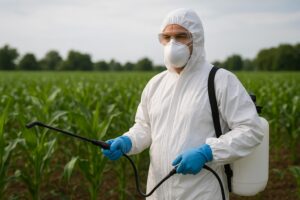
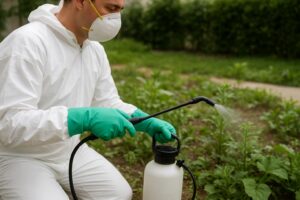
Most agriculturists unaware of their rights may struggle to navigate the complex landscape of compensation following paraquat exposure. This hazardous herbicide poses significant health risks, and understanding available compensation pathways is imperative for your protection. This post will guide you through the various legal avenues, workers’ compensation options, and potential claims you can pursue to secure financial relief and safeguard your health in the face of paraquat-related challenges.
Key Takeaways:
- Paraquat is linked to severe health issues in agricultural workers, including Parkinson’s disease and respiratory problems.
- Compensation pathways may include worker’s compensation claims, especially if health issues arise from occupational exposure.
- Legal avenues such as product liability lawsuits against manufacturers may be pursued if negligence or improper labeling is proven.
- Federal programs, like the Federal Employees’ Compensation Act (FECA), can provide benefits for government-employed agriculturists affected by paraquat.
- State-specific regulations and compensation programs may offer additional support based on local laws and agricultural practices.
- Medical documentation and evidence of exposure are important for securing compensation through any pathway.
- Advocacy groups may assist workers in navigating compensation options and raising awareness about paraquat-related risks.
Understanding Paraquat and Its Impact
Overview of Paraquat as a Herbicide
Paraquat is a widely used herbicide known for its effectiveness in controlling weeds and grasses in agriculture. Its rapid action and systemic properties make it a favored choice among farmers. However, regulations surrounding its use have tightened in numerous countries due to mounting evidence of its harmful effects. Handling Paraquat requires precaution, as exposure can occur through various avenues, such as inhalation, skin contact, or ingestion.
Health Risks Associated with Paraquat Exposure
Exposure to Paraquat poses significant health risks, including respiratory issues and an increased likelihood of developing neurological disorders. You may experience acute symptoms such as shortness of breath, nausea, and irritation of the eyes and skin after exposure. Long-term effects can be severe, particularly concerning the development of Parkinson’s disease, which has been linked to chronic Paraquat exposure.
The correlation between Paraquat exposure and Parkinson’s disease has been supported by various studies, suggesting that even small, repeated exposures can lead to neurodegeneration. Significant research indicates a two-fold increase in Parkinson’s risk for those who have handled this herbicide. Other chronic health issues reported include lung fibrosis and potential damage to vital organs, underlining the importance of safety measures and monitoring for those in agricultural settings.
Environmental Considerations and Impacts
Environmental impacts of Paraquat usage extend beyond health concerns, affecting soil and water quality. Its persistence in the environment raises alarms among ecologists, as residues can contaminate local ecosystems and harm non-target plant and animal species. Effective management practices are important to mitigate these impacts.
Runoff from treated fields can seep into water sources, contributing to the decline of aquatic life and affecting drinking water quality. Studies show that areas with high Paraquat use have lower biodiversity, particularly among sensitive species. The residual effects on soil microbiota and fertility can further disrupt agricultural productivity, making it vital to reconsider the agricultural reliance on Paraquat in favor of more sustainable practices.
Agricultural Practices and Paraquat Usage
Historical Context of Paraquat in Agriculture
You may find it interesting that paraquat was first introduced in the 1960s as a powerful herbicide, rapidly gaining popularity due to its effectiveness in controlling weeds. Initially hailed for its low cost and rapid action, it quickly became a staple in agricultural practices worldwide. However, this widespread adoption was accompanied by growing concerns about health risks, prompting regulatory scrutiny in various countries over the decades.
Regions and Crops Most Affected by Paraquat
The use of paraquat is notably concentrated in countries like Brazil, China, and the United States, impacting key crops such as soybeans, cotton, and corn. These regions often rely heavily on herbicides to maximize yields and manage pest resistance, leading to significant exposure among agricultural workers.
In Brazil, approximately 70% of herbicide applications involve paraquat, with soybeans being the primary crop affected. This reliance not only endangers workers’ health but also raises environmental concerns. In the United States, while the usage has declined, paraquat remains common in cotton and corn production, particularly in the southern regions, where effective weed management is critical for maintaining crop quality and yield.
Alternatives to Paraquat in Modern Farming
Farmers increasingly seek alternatives to paraquat, driven by health-conscious approaches and regulatory pressures. These alternatives include integrated pest management (IPM), organic farming practices, and the use of safer herbicides that pose less risk to human health and the environment.
Utilizing integrated pest management can significantly reduce reliance on harmful chemicals. Techniques such as crop rotation, cover cropping, and biological pest control offer effective weed management while promoting sustainable farming practices. Additionally, newer herbicides and natural weed control methods, such as vinegar or flame weeding, are gaining traction among environmentally aware producers, providing safer options without sacrificing productivity.
Legal Framework Surrounding Paraquat
Regulatory Bodies and Their Role
Various regulatory bodies oversee paraquat usage, prominently the Environmental Protection Agency (EPA) in the United States. These organizations evaluate the safety and environmental impact of pesticides, including paraquat, ensuring compliance with established safety standards. Through assessments and periodic reviews, they determine acceptable exposure levels and registration conditions for agricultural chemicals, crucial for protecting both public health and the environment.
Current Legislation Governing Paraquat Use
Current legislation surrounding paraquat in the U.S. involves rigorous restrictions to minimize exposure risks. The EPA mandates specific usage guidelines, including protective equipment for applicators and training requirements. These regulations aim to limit harmful exposure while facilitating effective weed control on farms.
The Federal Insecticide, Fungicide, and Rodenticide Act (FIFRA) governs the use and distribution of paraquat, necessitating that applicators receive proper training and adhere to safety precautions. In 2021, the EPA announced plans to reevaluate paraquat’s safety standards, focusing on more stringent labeling and application guidelines. Additionally, some states have implemented their regulations, which might restrict usage further or require enhanced protective measures. Compliance with these laws is vital for mitigating health risks associated with paraquat exposure.
Historical Legal Cases and Precedents
Several landmark legal cases have shaped the discourse on paraquat exposure and liability. Courts have examined pesticide manufacturers’ responsibilities, leading to significant settlements in cases involving worker health complications directly tied to paraquat.

For instance, a landmark case in 2020 resulted in a multi-million dollar settlement for plaintiffs who claimed that exposure to paraquat contributed to their development of Parkinson’s disease. This case was pivotal, as it set a precedent for holding manufacturers accountable for not adequately warning users about the potential risks associated with their products. Legal findings like these have encouraged more scrutiny of paraquat usage and highlighted the need for stricter regulations and better protective measures for agricultural workers.
Health Effects of Paraquat Exposure
Short-term Effects of Exposure
Exposure to paraquat can lead to immediate symptoms such as skin irritation, nausea, vomiting, and difficulty breathing. If you accidentally ingest paraquat, it could cause severe gastrointestinal distress and can be life-threatening. Inhalation of the chemical might result in pulmonary edema, necessitating urgent medical attention to mitigate these acute health impacts.
Long-term Health Consequences
The long-term health effects of paraquat exposure are particularly alarming, as studies have linked it to neurodegenerative diseases such as Parkinson’s disease. Chronic exposure can lead to a gradual decline in motor skills and cognitive functions, severely impacting your quality of life over time. Comprehensive research emphasizes that farmers working with paraquat face heightened risks of enduring health complications.
Epidemiological studies indicate that agricultural workers exposed repeatedly to paraquat may experience increased incidence rates of neurodegenerative disorders. For example, research has shown a two to six-fold rise in Parkinson’s disease among those frequently handling the herbicide. This underscores the long-term consequences of exposure that can emerge years after initial contact and necessitates ongoing monitoring for affected individuals.
Identification and Diagnosis of Paraquat-related Illnesses
Identifying paraquat-related illnesses often involves a comprehensive medical history and thorough clinical evaluation, including symptom assessment. Diagnosis can be complex, given that many symptoms overlap with other conditions. Laboratory tests, imaging studies, and neuropsychological assessments may be required to establish a clear link between your symptoms and paraquat exposure.
Diagnostic procedures may include specialized tests that assess motor skills and cognitive functioning, alongside toxicology screenings. Clinicians may also rely on family histories and occupational exposure records to support the diagnosis. Early detection is critical, particularly for conditions like Parkinson’s disease, as timely interventions can potentially slow disease progression, making awareness of these diagnostic processes vital for those exposed to paraquat.
Recognizing Symptoms and Seeking Medical Help
Common Symptoms of Paraquat Poisoning
Symptoms of paraquat poisoning vary but typically include skin irritation, nausea, vomiting, abdominal pain, and difficulty breathing. In severe cases, exposure can lead to pulmonary fibrosis and multi-organ failure. Early recognition of symptoms is vital, as the gravity can escalate rapidly with time.
Best Practices for Diagnosis
Accurate diagnosis of paraquat poisoning necessitates a detailed patient history and clinical evaluation. Medical professionals should inquire about exposure history and perform comprehensive blood tests, liver function tests, and chest X-rays to assess lung involvement and overall health.
To facilitate prompt diagnosis, you should keep any relevant information on exposure clear, whether through direct contact with paraquat or inhalation. Laboratory tests often indicate elevated liver enzymes or other markers of organ dysfunction. Chest imaging can reveal early signs of lung damage, allowing for targeted therapy to commence swiftly, enhancing recovery chances.
Importance of Immediate Medical Attention
Seeking medical help without delay can significantly influence the outcome of paraquat exposure. Timely intervention improves the chances of effective treatment and recovery from the toxic effects of the chemical.
Riding out initial symptoms without consulting a physician can lead to irreversible damage. Studies show that patients receiving treatment within hours of exposure have better survival rates and reduced long-term complications. Swift medical evaluation can initiate detoxification processes, such as activated charcoal administration and supportive care, potentially reversing the damage caused by paraquat and ensuring better health outcomes.
Compensation Pathways for Affected Agriculturists
Workers’ Compensation Claims
If you suffer from health issues due to paraquat exposure in your agricultural work, you may be eligible for workers’ compensation benefits. This system provides financial support for medical expenses, lost wages, and rehabilitation costs. Each state has specific regulations governing claims, so it’s necessary to understand your rights and the necessary steps to file your claim effectively.
Product Liability Lawsuits
Product liability lawsuits hold manufacturers accountable for introducing harmful chemicals like paraquat into the market without adequate warnings about their risks. You may have grounds for a lawsuit if you can demonstrate that the product caused your injuries. This option allows you to seek damages for medical expenses, pain and suffering, and other related losses.
In product liability cases, you can base your claims on three main legal theories: strict liability, negligence, and breach of warranty. Strict liability focuses on the product’s inherent dangers, while negligence involves proving the manufacturer failed to meet safety standards. Breach of warranty pertains to false claims about the product’s safety. Each approach requires thorough evidence, including medical records and expert testimonies, to establish a connection between paraquat exposure and your health issues.
Settlement Negotiations and Legal Representation
Engaging in settlement negotiations is often a critical step in pursuing compensation for paraquat-related injuries. Skilled legal representation can facilitate discussions with insurers or manufacturers to ensure you receive a fair settlement based on your specific damages and losses.
Having a knowledgeable attorney can significantly impact your ability to negotiate an adequate settlement. They can gather evidence, evaluate your case’s strengths, and articulate your needs effectively. This representation is vital, as insurers may attempt to minimize payouts. Your attorney’s expertise ensures that your rights are protected and that the settlement reflects the true extent of your damages.
Evidence Collection and Documentation
Importance of Medical Records
Medical records serve as a foundational element in your compensation claim, documenting your health history, diagnosis, and treatment related to paraquat exposure. These records can validate your condition and establish the link between your symptoms and pesticide exposure, making them imperative for any legal or compensation proceedings.
Gathering Evidence of Paraquat Exposure
Collecting evidence of your paraquat exposure involves assembling various forms of documentation to support your case. You should gather records of pesticide use on your farm, safety data sheets, and any labels or containers from the product. Testimonies from fellow workers or supervisors, as well as photographs of application sites, can further substantiate your claims.
Role of Expert Testimony in Compensation Claims
Expert testimony plays a pivotal role in validating the effects of paraquat exposure and supporting your compensation claims. Specialists in toxicology, environmental science, or agricultural health can provide insights into the causality of your condition and the relevant safety practices that should have been observed.
Experts can also offer detailed analyses based on peer-reviewed studies, which connect occupational exposure to specific health outcomes. This testimony can be particularly persuasive in court, as it lends credibility to your claims and helps establish a clear link between paraquat use and your health issues. Engaging a qualified expert strengthens your case by addressing potential counterarguments and filling evidentiary gaps that may exist otherwise.
Challenges Faced by Affected Farmers
The Burden of Proof in Legal Claims
To secure compensation, you face the daunting task of proving that your health issues directly stem from paraquat exposure. This requires substantial evidence, including thorough medical documentation and expert testimony linking your condition to the chemical. The complexity of gathering this proof, especially when many studies on paraquat are contested, can complicate your case significantly.
Financial Strain on Farmers and Their Families
The financial burden from health issues can be overwhelming, impacting both your livelihood and your family’s stability. Medical bills, lost income due to inability to work, and the costs associated with legal battles can quickly drain your resources, leading to potential debts and financial ruin.
A recent study revealed that agricultural workers suffering from paraquat-related health problems can face over $100,000 in medical expenses over their lifetime. You may also experience a loss of productivity and income due to prolonged treatment, further exacerbating your financial situation. With limited access to adequate compensation pathways, many farmers struggle to sustain their operations while managing these costs, jeopardizing not only their farming business but their family’s future.
The Emotional Toll of Exposure and Illness
Your mental health takes a hit as you navigate the challenges of chronic illness caused by paraquat exposure. Anxiety, depression, and feelings of isolation can arise from both the health complications and the financial strain. The uncertainty of your future and the impact on your family adds to the emotional burden.
Many affected farmers report experiencing significant emotional distress stemming from their inability to provide for their families due to illness. Frequent medical appointments, coupled with the persistent worry over financial instability and the stigma surrounding pesticide exposure, can create a sense of despair. Support networks and therapy options may be limited in rural areas, leaving you grappling with your struggles largely alone. This isolation can hinder your ability to cope effectively, compounding the emotional challenges you face on top of physical health issues.
Insurance Considerations for Agriculturists
Types of Insurance Relevant to Paraquat Exposure
Several types of insurance can cover risks associated with paraquat exposure, ensuring you’re protected financially. These include:
- Crop Insurance
- Liability Insurance
- Health Insurance
- Workers’ Compensation Insurance
- Environmental Liability Insurance
This provides a comprehensive safety net for various scenarios associated with exposure and health complications.
| Type of Insurance | Coverage Description |
| Crop Insurance | Protects against loss of crops due to exposure-related issues. |
| Liability Insurance | Covers legal costs and damages from lawsuits resulting from paraquat exposure. |
| Health Insurance | Addresses medical costs for health issues related to paraquat. |
| Workers’ Compensation | Provides wage replacement and medical benefits to injured workers. |
| Environmental Liability | Covers costs related to environmental damage caused by paraquat. |
Navigating Insurance Claims
Filing insurance claims can be complex, especially when dealing with the health impacts of paraquat. Begin by thoroughly documenting your exposure, treatment history, and any related losses. Engage with your insurance provider early on to understand the specific requirements for your situation. Keep in mind that documentation often dictates the success of your claim.
Be prepared to provide extensive evidence, such as medical records, witness statements, and any previous correspondence with the insurer. Each insurance policy has unique stipulations, so reviewing your specific terms is crucial. Maintain persistent communication with the insurance company and adhere to their deadlines to enhance your chances of a favorable outcome.
Legal Resources for Insurance Disputes
Accessing legal resources is vital if your insurance claim is disputed or denied. Numerous organizations specialize in agricultural-related legal issues, offering guidance to navigate complicated insurance matters. Researching local legal aid, farm advocacy organizations, and environmental law firms can provide critical support.
Many attorneys provide initial consultations, ensuring you understand your rights and possible courses of action. If your claim faces denial, they can help you assess the situation, appeal decisions, and negotiate with insurers. Engaging legal expertise can significantly improve the chances of achieving a successful resolution for your claims.
Support Systems and Resources
Support Groups for Affected Farmers
Connecting with support groups can provide you with invaluable emotional support and shared experiences. These groups often consist of farmers and their families who are navigating the same challenges posed by paraquat exposure. Engaging with others who understand your situation fosters camaraderie and helps in exchanging practical coping strategies.
Government Assistance Programs
Numerous government assistance programs exist to help you address the financial and health impacts of paraquat exposure. These may include grants, low-interest loans, and special funding dedicated to agricultural safety and health. Programs from agencies like the USDA or state-level initiatives can offer direct financial help and resources for medical treatments.
For instance, the USDA provides various safety programs aimed at mitigating risks for agricultural workers. Programs may encompass financial aid for medical treatments or reimbursements for related expenses. Additionally, state-sponsored health departments might provide resources for testing and monitoring, ensuring you receive appropriate care. Connecting with local agencies can help you tap into these resources effectively.
Nonprofit Organizations Offering Aid
Nonprofit organizations play a significant role in providing assistance for those affected by paraquat exposure. Many of these nonprofits offer financial aid, advocacy, and resources specifically tailored to agricultural workers like you. Their services often include help navigating the complexities of compensation claims and access to health-related programs.
Organizations such as the Farm Aid and Pesticide Action Network focus on empowering farmers through educational resources and support. They often provide specialized programs addressing pesticide safety and health implications, along with financial assistance for treatment costs. Leveraging these resources can enhance your recovery process and ensure your rights are safeguarded.
Advocacy and Awareness Efforts
Role of Agricultural Advocacy Groups
Agricultural advocacy groups play a vital role in raising awareness about the dangers of paraquat exposure. They work to educate farmers and agricultural workers on safety practices while lobbying for stricter regulations on hazardous chemicals. These organizations aim to unite voices in the farming community, bringing attention to the health risks associated with paraquat and pushing for policy changes that prioritize your safety and well-being.
Campaigns for Safer Chemical Alternatives
Numerous campaigns have emerged advocating for safer alternatives to paraquat. These initiatives focus on promoting organic farming methods and exploring non-toxic pesticide solutions that can effectively protect crops without endangering human health. By highlighting successful case studies of farmers who have transitioned to safer practices, these campaigns aim to inspire a broader shift within the agricultural industry.
Importance of Public Awareness in Addressing Paraquat Risks
Public awareness is pivotal in addressing risks associated with paraquat. Increased knowledge among consumers can lead to greater demand for transparency regarding chemical usage in agriculture. This shift pressures producers to adopt safer practices, ultimately improving the safety not only for workers but also for the environment and consumers alike.
Raising public awareness has proven effective in changing perceptions and behaviors. Initiatives that educate the public about the hazards of paraquat use can galvanize community action, compelling legislative bodies to respond. Social media campaigns, educational events, and collaboration with influential figures amplify these messages, creating a ripple effect that enhances the urgency of addressing paraquat’s risks for everyone involved in the agricultural sector.

Future Considerations in Paraquat Use
Trends in Regulatory Changes
Regulatory frameworks around paraquat are evolving rapidly, driven by mounting health concerns and public pressure. Many countries are reassessing their approval statuses, with bans and restrictions becoming more common. For instance, recent legislative trends show a shift towards more stringent safety evaluations and usage guidelines, affecting how you might access or apply this herbicide in the future.
Research and Development for Safer Alternatives
Efforts are underway to identify safer agricultural practices and alternatives to paraquat. Increased funding for research is focusing on developing herbicides with lower toxicity profiles and innovative farming techniques that reduce reliance on chemical interventions. This could open the door for more sustainable methodologies benefiting both your health and the environment.
Exploration into bio-based herbicides and natural pest deterrents is gaining traction. Emerging research highlights organic compounds, such as necessary oils and plant extracts, which have shown effectiveness against common weeds while posing significantly lower risk to human health. Furthermore, advancements in precision agriculture, utilizing technology to target applications accurately, can minimize exposure, enabling you to adopt more sustainable practices while maintaining crop yields.
Ongoing Monitoring of Paraquat in Agriculture
Continuous monitoring of paraquat levels in agricultural settings is necessary to safeguard health and ensure compliance with safety regulations. Implementing regular testing protocols helps detect residue levels in soil and crops, providing crucial data to inform better usage practices. This ongoing vigilance means you can make more informed decisions regarding your farming methods.
This monitoring is driven by both regulatory agencies and agricultural groups, pushing for transparency and accountability in chemical use. Comprehensive databases tracking paraquat exposure incidents can lead to enhanced risk assessments. As monitoring technologies evolve, real-time data can alert you to hazardous levels, ultimately protecting your well-being while ensuring compliance with agricultural standards.
Testimonies from Affected Agriculturists
Personal Accounts of Exposure
Many agriculturists share devastating stories of their exposure to paraquat, often recounting incidents where safety protocols were insufficient or overlooked. One farmer from Florida described his symptoms emerging subtly but progressively, leading to hospitalization due to respiratory issues. Others recount vivid memories of high-pressure spraying, with no protective gear available, resulting in long-term health complications that altered their daily lives.
Impact on Livelihoods and Communities
The repercussions of paraquat exposure extend beyond individual health, deeply affecting agricultural communities. You may notice declining productivity, as farmers grapple with health issues that hinder their ability to work. Families reliant on agriculture face economic instability, affecting educational opportunities for children and straining local economies that depend on agricultural output.
Communities are experiencing a ripple effect from these health crises. As more agriculturists fall ill, the ability to plant and harvest diminishes, driving up the cost of agricultural products. This not only affects local markets but also fluctuates prices nationally, impacting consumers. Additionally, collective trauma manifests in mental health challenges among farmers, creating an atmosphere of despair and uncertainty that stifles community cohesion.
Hope and Healing: Overcoming Challenges
Despite the challenges faced, many agriculturists express a profound sense of hope and determination. Programs providing support for rehabilitation allow affected individuals to gradually reintegrate into their communities while accessing resources for their health. Many share stories of resilience, refusing to be defined by their struggles with paraquat exposure.
Innovative support networks are emerging, enabling farmers to band together for mutual aid. You may find healing through shared experiences in support groups, fostering camaraderie as individuals navigate the complex journey of recovery. Training programs focused on alternative farming practices also offer a pathway forward, helping to reduce dependency on hazardous chemicals while ensuring financial sustainability through safer methods.
Conclusion
Taking this into account, you have several compensation pathways if you are affected by paraquat exposure. These options include filing workers’ compensation claims, seeking legal action against manufacturers, or applying for government assistance programs designed for agricultural workers. You should document your exposure and health impacts thoroughly to support your claim. Additionally, consulting with legal professionals who specialize in environmental and occupational health may enhance your chances of receiving fair compensation for your suffering and losses.
FAQ
Q: What is paraquat and why is it a concern for agriculturists?
A: Paraquat is a widely used herbicide that is highly toxic and linked to various health issues, including respiratory problems and potential Parkinson’s disease. Agriculturists exposed to paraquat face significant health risks, prompting concerns over safety and compensation.
Q: What types of compensation pathways are available for agriculturists affected by paraquat?
A: Compensation pathways include workers’ compensation claims, personal injury lawsuits, and settlements from agricultural employers or manufacturers of paraquat. Additionally, some advocacy groups assist in seeking monetary relief for affected individuals.
Q: How can agriculturists prove their exposure to paraquat?
A: Proof of exposure can be established through medical records, incident reports, witness testimonies, environmental testing, and employment history demonstrating use of paraquat in farming practices.
Q: What types of damages can be claimed in paraquat-related compensation cases?
A: Damages may include medical expenses, lost wages, pain and suffering, emotional distress, and potential future medical costs related to paraquat exposure. Each case is evaluated based on specific circumstances.
Q: Are there time limits for filing claims related to paraquat exposure?
A: Yes, there are statutory limitations known as the statute of limitations that dictate how long individuals have to file for compensation. These time frames vary by state and type of claim.
Q: Can family members receive compensation if an agriculturist dies from paraquat exposure?
A: Yes, family members may pursue wrongful death claims if an agriculturist dies due to paraquat exposure, seeking compensation for loss of income, medical expenses, and emotional suffering.
Q: Are there specific organizations or legal resources that assist agriculturists with paraquat exposure claims?
A: Various organizations, including legal aid services, advocacy groups, and law firms specializing in toxic torts, provide resources and assistance to agriculturists pursuing claims related to paraquat exposure.