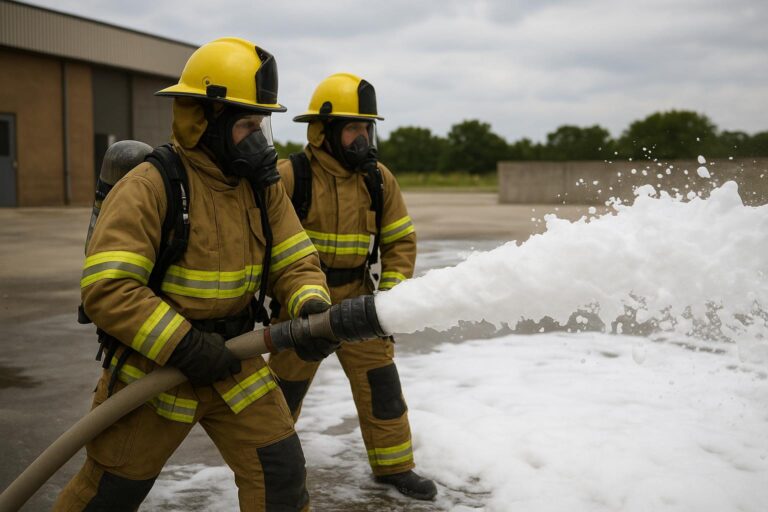
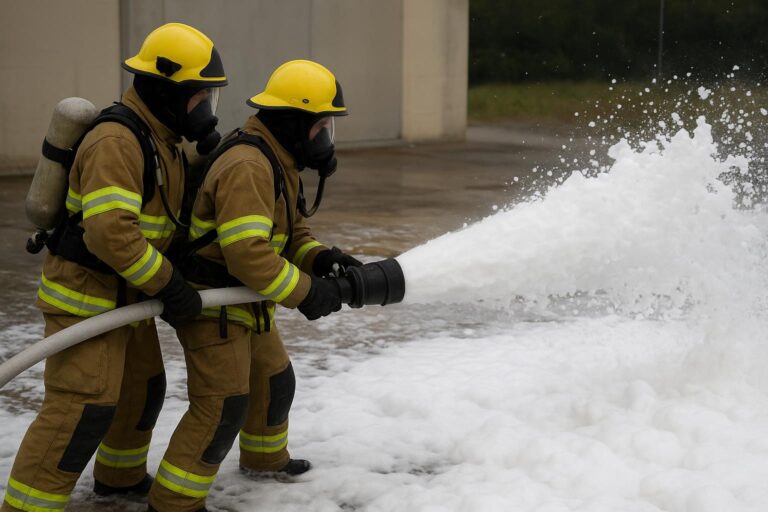
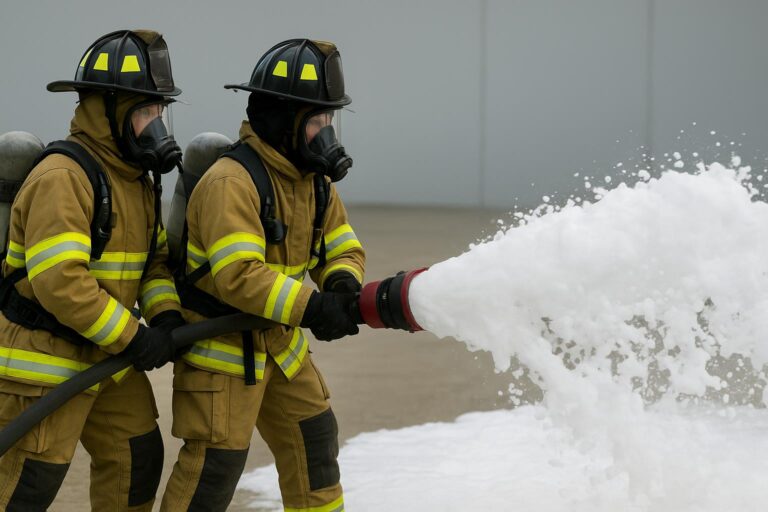
Aqueous Film-Forming Foam (AFFF)
Is a type of firefighting foam long used at airports, military bases, and industrial sites to extinguish fuel-based fires. For decades, AFFF was considered a standard safety tool, but it contained chemicals now known as PFAS—often called “forever chemicals”—that do not break down in the environment. Over time, scientific research revealed that PFAS exposure is linked to serious health risks, including several types of cancer. This has led to a massive wave of lawsuits across the United States by people exposed to AFFF who later developed illnesses like kidney cancer, testicular cancer, thyroid disease, and ulcerative colitis.
The story of AFFF litigation begins with the chemicals themselves. PFAS stands for per- and polyfluoroalkyl substances, a large family of man-made compounds. These substances have unique water- and grease-resistant properties that made them popular not only in firefighting foam but also in non-stick cookware, water-repellent clothing, and food packaging. Unfortunately, the very qualities that made PFAS useful—mainly their stability—also mean they accumulate in the environment and in the human body over time. Studies now show that even low-level, long-term exposure can have major health impacts.
Decades ago, AFFF manufacturers, including large chemical companies, were aware of the potential dangers. Company documents from the 1970s and 1980s have shown that some industry players were internally concerned about PFAS toxicity, yet no warnings reached the public or workers. As a result, firefighters, airport personnel, military members, and people living near military bases or airports were exposed without any real knowledge of the risks.
Public awareness began to shift in the early 2000s as independent scientists discovered high rates of PFAS in the blood of U.S. residents and found alarming links to cancer in communities around AFFF use sites. Large-scale government studies followed, connecting PFAS exposure to kidney and testicular cancers, among other diseases. The U.S. military took notice, eventually ordering the phase-out of PFAS-based AFFF on all bases. The Environmental Protection Agency has since proposed strict limits for PFAS in drinking water, making the issue a national priority.
On the legal front, thousands of lawsuits have been filed by individuals and municipalities. Firefighters with cancer, residents who drank contaminated water, and others have sued foam manufacturers and chemical companies, alleging the companies knew about PFAS risks but failed to warn or protect the public. These personal injury lawsuits have been centralized in federal court, with tens of thousands of claims being managed together. At the same time, cities and water districts have sued for the costs of water testing, filtration, and cleanup.
Recent years have brought several record-breaking legal settlements. Large chemical manufacturers have agreed to pay billions to U.S. water utilities for contamination cleanup. In some cases, companies have paid to resolve claims even before trials begin, signaling the seriousness of their potential liability. However, most individual personal injury cases—such as those by firefighters or cancer patients—are still pending. The courts are preparing for the first “bellwether” trials, which will serve as test cases to determine how juries might value such claims. Legal experts expect that if plaintiffs win these early trials, companies may offer broad settlements to resolve all claims at once.
The science behind these cases is robust. Multiple major health agencies have recognized links between PFAS exposure and certain cancers. Firefighters, in particular, have been shown to have higher levels of PFAS in their blood compared to the general public, directly tying their occupational exposure to increased health risks. Studies have confirmed elevated rates of kidney, testicular, and thyroid cancers in PFAS-exposed groups. This strong scientific foundation means these lawsuits are likely to see continued momentum in court.
For claimants, potential compensation can cover medical expenses, lost wages, pain and suffering, and the cost of ongoing medical monitoring. Each case is unique—settlement amounts will depend on the severity of illness and the degree of documented exposure. As mass tort settlements are negotiated, experts predict average compensation may range from tens of thousands to several hundred thousand dollars, with higher awards possible for the most serious cases.
If you or a loved one worked as a firefighter, lived near a military base, or were otherwise exposed to AFFF and have since developed cancer or another serious illness, now is the time to take action. The legal window for joining these lawsuits may close if a global settlement is reached. Even if you are healthy but have elevated PFAS in your water or blood, there may be grounds to pursue compensation for future health risks and required monitoring.
Taking the next step involves gathering your work or residence history, medical records, and any proof of exposure. Lawyers specializing in these cases are available to guide you through the process, and most work on a contingency basis—meaning you pay nothing upfront and only owe legal fees if you win a settlement or award.
The AFFF firefighting foam lawsuits represent an opportunity for those harmed by “forever chemicals” to seek justice and financial support. By coming forward, claimants also help to hold manufacturers accountable and push for stricter safety standards for future generations. If you believe you have a claim related to AFFF or PFAS exposure, consider reaching out for a free case evaluation to learn about your rights and options.